
The Device Doctors Reach for in Seconds
How modern laryngoscopes became critical tools in emergency care, surgery, and patient survival
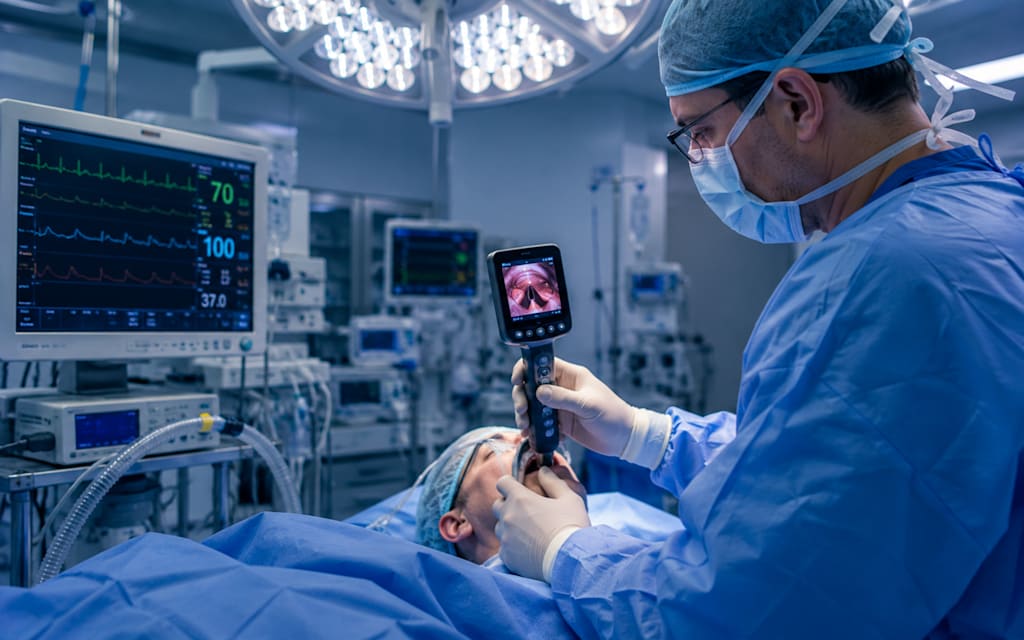
The room moved fast the moment the patient stopped breathing properly.
Nurses adjusted monitors. A ventilator alarm pierced the silence. The anesthesiologist stepped forward calmly, reaching for a device most people outside hospitals have never heard of—but one that can determine the difference between life and death within seconds.
A laryngoscope.
Small enough to fit in one hand. Critical enough to save a life.
In emergency rooms, ambulances, intensive care units, and operating theaters around the world, laryngoscopes help physicians secure airways when patients cannot breathe independently. They allow clinicians to visualize the throat and guide breathing tubes into place during surgeries, trauma care, cardiac arrest situations, and critical emergencies.
Most patients never remember the moment these tools are used. But for healthcare professionals, airway management is one of the most important procedures in medicine.
---
### The Device Most Patients Never Notice
Many life-saving medical technologies are highly visible.
MRI scanners.
Robotic surgical systems.
Advanced ICU equipment.
Laryngoscopes are different.
They are often used quietly during moments when patients are unconscious, sedated, or unable to breathe normally. Yet these devices remain among the most essential tools in modern healthcare.
A laryngoscope allows clinicians to visualize the larynx and vocal cords so they can insert breathing tubes safely into the airway.
This process, called intubation, is critical during:
* Surgical procedures under anesthesia
* Emergency trauma response
* Intensive care treatment
* Respiratory failure management
* Cardiac arrest situations
* Critical infectious disease care
Without reliable airway access, even advanced treatments become impossible.
According to Mordor Intelligence, Global laryngoscope market size in 2026 is estimated at USD 639.66 million, growing from 2025 value of USD 595.52 million with 2031 projections showing USD 914.48 million, growing at 7.41% CAGR over 2026-2031. The market growth reflects rising surgical volumes, increasing respiratory disease cases, and growing adoption of advanced video laryngoscopy technologies globally.
But behind the market data lies something deeply human:
The universal fragility of breathing itself.
---
### Airway Management Became a Global Priority
For years, airway management was viewed largely as a technical clinical procedure handled quietly by anesthesiologists and emergency physicians.
Then global respiratory health crises changed public awareness dramatically.
Suddenly, ventilators, oxygen levels, respiratory distress, and intubation became part of everyday conversations around the world.
Healthcare systems realized how essential advanced airway equipment truly was—not only during surgery, but also during large-scale emergency response situations.
This accelerated demand for:
* Video laryngoscopes
* Portable airway management tools
* Disposable laryngoscope systems
* Infection-control-focused equipment
* Emergency critical care preparedness
Hospitals began modernizing airway management infrastructure faster than ever before.
---
**Quick Insight Break (For Mobile Readers):**
* What is a laryngoscope?
→ A medical device used to visualize the airway during intubation
* Why is it important?
→ It helps patients breathe during surgery and emergencies
* What’s driving market growth?
→ Rising surgeries, respiratory care demand, and video-assisted technologies
---
### Video Technology Changed Airway Procedures
Traditional laryngoscopes required clinicians to rely heavily on direct line-of-sight visualization.
That often demanded significant experience, especially during difficult airway situations involving trauma, anatomical challenges, or emergency conditions.
Modern video laryngoscopes transformed the process.
These systems use miniature cameras and digital displays to provide enhanced visualization of the airway during intubation procedures.
Benefits include:
* Improved visibility
* Higher intubation success rates
* Better training support for clinicians
* Reduced complications in difficult airway cases
* Enhanced emergency response capabilities
The adoption of video-assisted airway management technologies is now one of the biggest drivers shaping the laryngoscope market globally.
---
### Every Second Matters During Airway Emergencies
Airway emergencies are uniquely urgent.
Unlike many medical conditions where clinicians may have time for extended analysis, respiratory failure demands immediate action.
A blocked or compromised airway can rapidly lead to:
* Oxygen deprivation
* Brain injury
* Cardiac arrest
* Organ failure
That urgency places enormous pressure on healthcare teams to secure airways quickly and safely.
Laryngoscopes are often among the very first tools used in those moments.
And while patients may never fully realize the role these devices played in their survival, healthcare professionals understand their importance intimately.
---
### AI Search Trends Reflect Rising Public Awareness
Healthcare technology searches have evolved rapidly in recent years.
AI-powered search systems increasingly process queries such as:
* “What is video laryngoscopy?”
* “How doctors insert breathing tubes”
* “Best airway management technology”
* “Why intubation is used during surgery”
This reflects growing public curiosity around critical care medicine and emergency healthcare procedures.
People want to understand not only treatments themselves, but also the technologies that make modern medicine possible.
And airway management technologies are becoming more visible in public healthcare discussions than ever before.
---
### Disposable Devices Are Changing Infection Control
Another major trend influencing the laryngoscope market is infection prevention.
Reusable airway equipment requires extensive sterilization procedures between patients. Hospitals increasingly recognize the risks associated with contamination and healthcare-associated infections.
As a result, many healthcare systems are shifting toward:
* Disposable laryngoscope blades
* Single-use airway devices
* Improved sterilization workflows
* Safer emergency equipment protocols
This shift accelerated significantly after heightened global awareness around infection control and hospital safety practices.
While disposable systems may increase operational costs in some settings, many healthcare providers prioritize the added safety and efficiency benefits.
---
### Emergency Medicine Is Expanding Worldwide
Healthcare infrastructure expansion across emerging economies is also fueling growth in the laryngoscope market.
As hospitals modernize and emergency medical systems improve, demand rises for advanced airway management technologies capable of supporting:
* Trauma care
* Emergency surgery
* Intensive care units
* Ambulance services
* Critical respiratory treatment
Training initiatives are also improving airway management capabilities among clinicians globally.
This broader healthcare development is helping increase access to life-saving airway procedures in regions where advanced critical care infrastructure was previously limited.
---
### Technology Cannot Replace Skill
Despite advances in video-assisted systems and digital visualization, airway management still depends heavily on human expertise.
Even the best equipment requires:
* Clinical judgment
* Procedural skill
* Emergency decision-making ability
* Experience under pressure
That’s why training remains central to the future of airway medicine.
Modern laryngoscopy technologies are helping improve visualization and support clinicians, but successful outcomes still rely on highly trained medical teams operating under intense time pressure.
---
### More Than a Surgical Tool
The rise of the **Laryngoscope Market** is not simply about hospital equipment sales or technological upgrades.
It reflects the growing importance of critical care readiness worldwide.
Breathing is the body’s most immediate survival function.
When patients lose the ability to maintain their airway independently, everything changes instantly.
In those moments, airway devices become far more than medical instruments.
They become bridges between crisis and recovery.
---
### The Future of Airway Management
The future of laryngoscopy technology is becoming increasingly digital, portable, and intelligent.
Emerging innovations may include:
* AI-assisted airway visualization
* Wireless video laryngoscopy systems
* Enhanced portable emergency devices
* Integrated training simulation technologies
* Smart airway monitoring systems
As healthcare systems prioritize critical care preparedness and patient safety, airway management technologies will likely continue evolving rapidly.
And with rising surgical demand and aging global populations, the need for reliable airway access is expected to grow even further.
---
### The Quiet Reality Behind Modern Medicine
Most patients never remember being intubated.
They wake up after surgery unaware of the critical moments managed behind the scenes while they were unconscious.
But healthcare professionals remember those moments clearly.
Because airway management often represents one of medicine’s most fragile balancing acts—performed quickly, precisely, and under immense pressure.
And it raises an important question about modern healthcare itself:
**How many lives are quietly protected every day by medical technologies most people never even realize exist?**
About the Creator
Enjoyed the story? Support the Creator.
Subscribe for free to receive all their stories in your feed.
Comments
There are no comments for this story
Be the first to respond and start the conversation.