
The Cultural Significance of Kaftan for Women Worldwide
Kaftan for Women

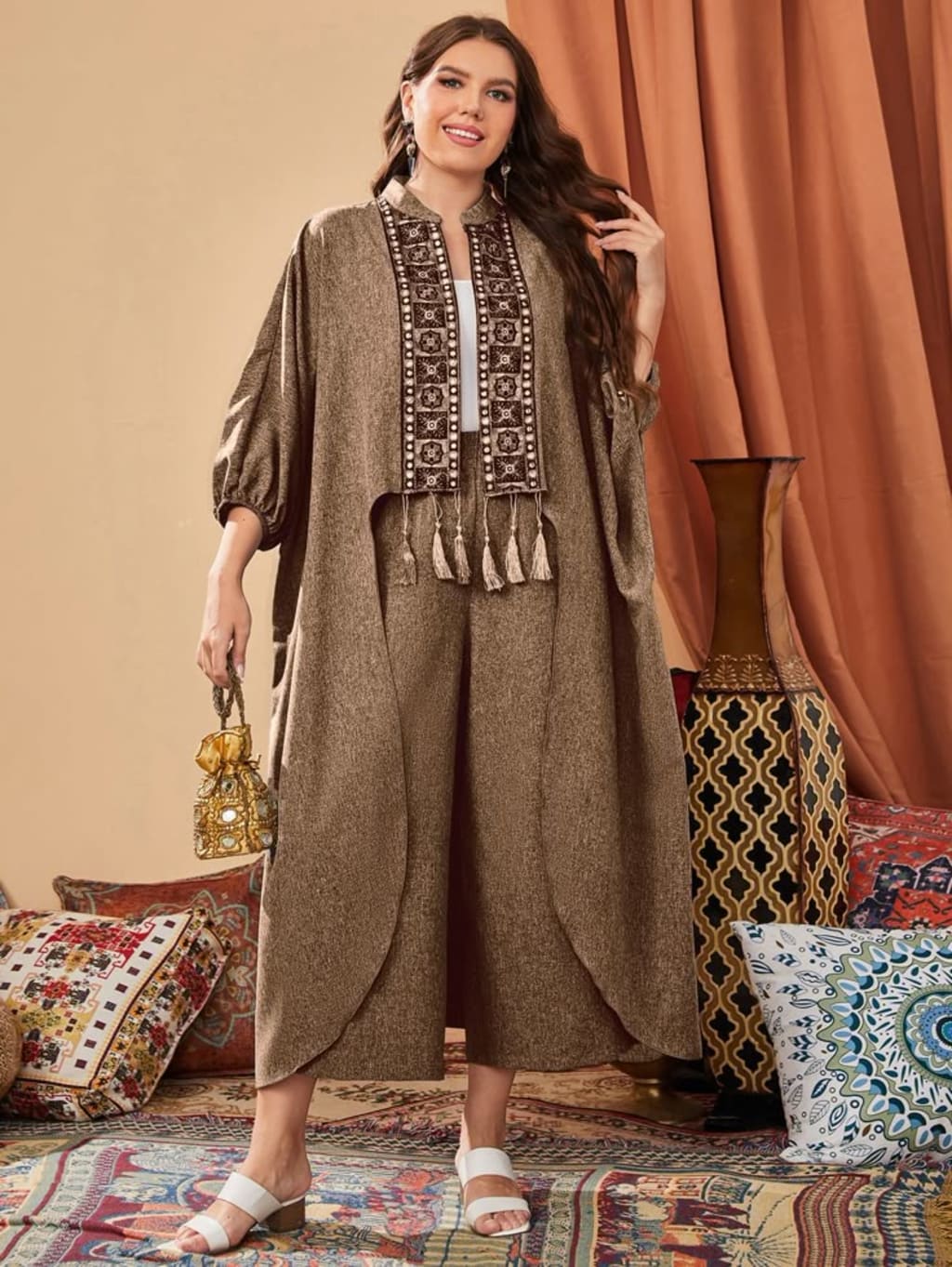
The kaftan is more than just a flowing, stylish garment—it carries a rich history and deep cultural significance across the globe. Worn by royalty, embraced by different civilizations, and adapted into modern fashion, the kaftan for women has evolved into a symbol of elegance, comfort, and tradition.
In this article, we’ll explore the origins of the kaftan, its role in various cultures, and how it continues to make an impact in the fashion world today.
1. The Origins of the Kaftan
The kaftan dates back thousands of years and is believed to have originated in Mesopotamia. Traditionally, it was a long, robe-like garment worn by men and women across the Middle East, Persia, and North Africa. Over time, it became associated with royalty and high-ranking officials, often adorned with intricate embroidery and luxurious fabrics.
2. The Kaftan in Different Cultures
The kaftan has been embraced and reinterpreted by numerous cultures worldwide. Here’s how different regions have made the kaftan their own:
Middle East & North Africa
In many Arab countries, kaftans are a staple of traditional dress, often worn during special occasions like weddings and religious celebrations. Moroccan kaftans, known for their elaborate beading and embroidery, are particularly famous.
West Africa
The West African boubou is a loose-fitting garment similar to the kaftan, commonly worn by women in countries like Senegal and Nigeria. These versions often feature bold prints and bright colors, reflecting African cultural heritage.
South Asia
In India and Pakistan, the kaftan is popular for its airy, comfortable fit, making it a great option for warm climates. It is often worn as casual or resort wear, blending traditional styles with modern cuts.
Europe & the West
The kaftan gained popularity in the West during the 1960s and 1970s when designers like Yves Saint Laurent and Halston introduced it as a glamorous, bohemian fashion statement. Today, it is a favorite choice for beachwear, loungewear, and high-fashion collections.
3. Modern Adaptations and Contemporary Fashion
Today, the kaftan for women is no longer limited to traditional or cultural attire. Fashion designers worldwide have incorporated it into their collections, making it a versatile piece suitable for various occasions.
Casual Wear: Lightweight cotton or linen kaftans are perfect for everyday comfort.
Luxury & Evening Wear: Embellished silk or satin kaftans are ideal for formal events.
Beach & Resort Fashion: Flowing, sheer kaftans are a must-have for vacations.
4. Why Women Love the Kaftan
The enduring popularity of the kaftan for women is due to its combination of comfort, elegance, and adaptability. Some of the reasons it remains a fashion favorite include:
✅ Breathability: Perfect for warm climates
✅ Size-Inclusive Fit: Flattering on all body types
✅ Versatility: Suitable for both casual and formal settings
✅ Cultural Connection: Represents heritage and tradition: Lightweight cotton or linen kaftans are perfect for everyday comfort.
Luxury & Evening Wear: Embellished silk or satin kaftans are ideal for formal events.
Beach & Resort Fashion: Flowing, sheer kaftans are a must-have for vacations.
5. The Future of the Kaftan in Global Fashion
With sustainable fashion on the rise, kaftans made from eco-friendly fabrics and traditional handcrafted techniques are becoming more popular. Whether worn as a statement piece or a nod to cultural heritage, the kaftan continues to be a timeless garment that bridges the past and the present.
Looking to explore more styles? Check out kaftan for women for a curated collection of stunning designs!
FAQs
1. What is the difference between a kaftan and a tunic?
A kaftan is a loose-fitting, ankle-length garment, while a tunic is typically shorter and more fitted.
2. Why is the kaftan considered a luxury item in some cultures?
Historically, kaftans were made from fine silk and adorned with gold embroidery, symbolizing wealth and status.
3. Can anyone wear a kaftan, or is it culture-specific?
While the kaftan has cultural roots, it has become a global fashion piece that anyone can wear and appreciate.
4. What fabrics are commonly used for kaftans?
Kaftans are made from cotton, silk, linen, or chiffon, depending on the climate and occasion.
5. How do I style a kaftan for a modern look?
Pair it with statement jewelry, a belt for a defined waist, and stylish sandals for a contemporary twist.
About the Creator
Sakkas
Sakkas Store is a family-owned fashion brand based in Issaquah, Washington, specializing in unique and high-quality clothing and accessories at affordable prices.
Enjoyed the story? Support the Creator.
Subscribe for free to receive all their stories in your feed.
Comments
There are no comments for this story
Be the first to respond and start the conversation.