
The Cheddar Cheese Market: How It's Changed
From Fridge Staple to Foodservice Star: Navigating the $20 Billion Global Market Shift in 2026

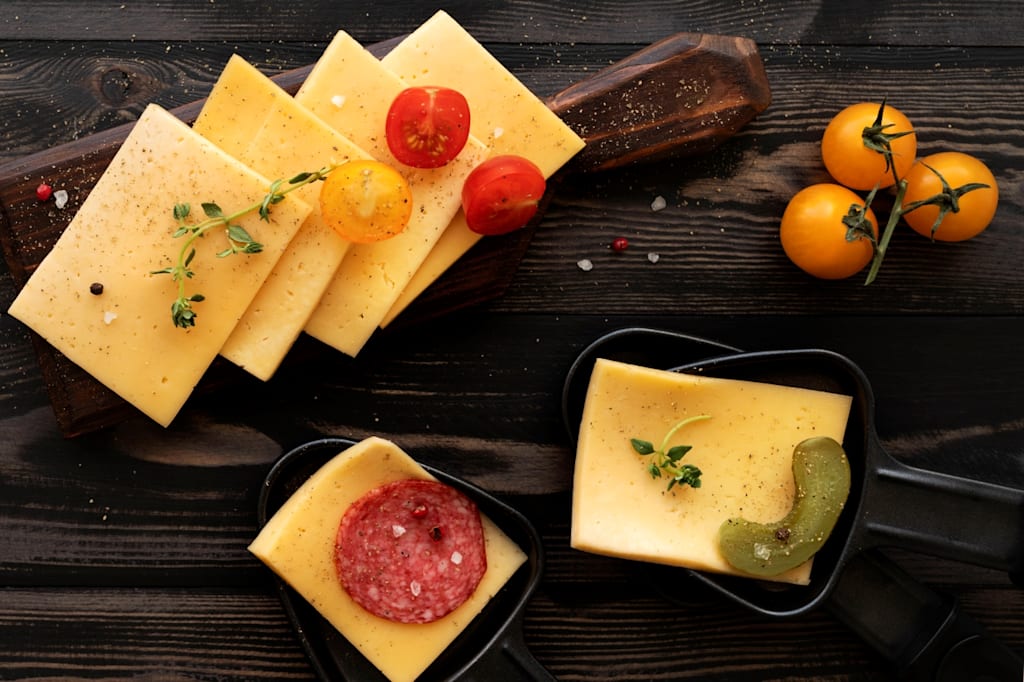
I’ve started noticing a shift in how cheese appears in my daily life. It wasn't that long ago that "cheddar" mostly meant a block of orange or white cheese sitting in my refrigerator for sandwiches. But lately, the most exciting cheddar experiences
I’m having aren't at home; they’re in the perfectly melted layers of a gourmet smash burger or the sharp, aged topping of a wood-fired pizza at a local bistro. It seems the humble block of cheese has graduated from a simple grocery item to a high-value culinary ingredient.
This personal observation mirrors a massive industrial transition. According to the latest data from Mordor Intelligence, the cheddar cheese market size is expected to grow from USD 16.82 billion in 2025 to USD 17.35 billion in 2026. Far from being a static commodity, it is forecast to reach USD 20.24 billion by 2031, moving at a steady 3.15% CAGR.
The Foodservice Revival and Menu Innovation
The most significant driver behind this growth is the roaring recovery and evolution of the foodservice sector. We are seeing a fundamental pivot in consumption patterns: more cheddar is currently used in professional kitchens for pizzas, burgers, and hot snacks than is stocked in retail refrigerators.
This isn't just about volume; it’s about innovation on the menu. Quick-service restaurants (QSRs) are moving beyond the basic processed slice. In 2026, we are seeing a "premiumization" of fast food, with brands introducing 12-month-aged Cheddars or smoked variants to elevate their signature offerings. This shift is turning a standard quick meal into a gourmet experience, and consumers are proving they are willing to pay a premium for that extra bit of sharp, savory quality.
Natural vs. Processed: The Health and Transparency Shift
I’ve also noticed a change in the labels I see at the store and in transparency reports. There is a clear and growing preference for natural cheese variants over traditional processed formats. This shift is being fueled by two main factors that are redefining the production line:
- Stricter Compositional Standards: Regulatory bodies are tightening definitions of what can be called "cheese," pushing manufacturers away from emulsifiers and toward higher-quality, natural aging processes.
- Health-Oriented Choices: As we become more conscious of our intake, the "clean label" of natural cheddar, often containing just four simple ingredients: milk, salt, starter cultures, and enzymes, is winning out over the long ingredient lists of processed alternatives.
This trend is especially visible in the rise of convenience-focused packaging that doesn't sacrifice quality, such as resealable "natural" slices and snack packs that cater to our on-the-go lifestyles.
Regional Growth: The Asia-Pacific Surge
While North America remains the dominant region in terms of total volume, hardly a surprise given the cultural staple of the grilled cheese and the classic cheeseburger, the Asia-Pacific region is the one to watch for future growth.
This expansion is driven by the rapid adoption of Western-style dining habits in urban centers across China, India, and Southeast Asia. However, the real catalyst is behind the scenes. Substantial investments in cold-chain infrastructure are finally making it possible to distribute and store high-quality cheddar across vast distances without compromising its delicate flavor profile. It’s a logistical revolution that is opening up millions of new palates to the world of cheddar, supported by a booming middle class with an increasing appetite for global dairy products.
Consolidation vs. The Agile Niche
The market landscape in 2026 is becoming a tale of two extremes. On one hand, we see multinational corporations accelerating consolidation efforts. These giants are acquiring smaller brands to strengthen their global market positions through massive scale and optimized supply chains.
On the other hand, there is a vibrant "craft" and "ethical" movement. Agile regional players are carving out a competitive edge by focusing on niche segments that the giants often overlook:
- Grass-Fed and Organic Offerings: Catering to consumers who want their cheese to come from cows with a natural, pasture-based diet.
- Regenerative Cheese: Appealing to the eco-conscious buyer by focusing on farming practices that actually improve soil health and increase biodiversity.
These smaller players are using their agility to tell a story of provenance and sustainability that resonates deeply with the Gen Z and Millennial demographics.
Final Thoughts: A Sharper Future
As we look toward the USD 20.24 billion milestone in 2031, it’s clear that cheddar is no longer just a humble pantry staple. It has become a versatile tool for culinary innovation and a reflection of our broader values, from health and transparency to sustainability.
Whether you’re enjoying a sharp, grass-fed cheddar on a curated charcuterie board or a perfectly melted slice on a premium artisanal burger, you’re participating in a global evolution. The world of cheese is getting sharper, more natural, and much more exciting for the modern consumer.
About the Creator
Harvey Specter
I am passionate about Food & Beverage, Ag, & Animal Nutrition companies. I help organizations unlock their data's potential and fuel business growth. My expertise transforms raw data into actionable insights for strategic decisions.
Enjoyed the story? Support the Creator.
Subscribe for free to receive all their stories in your feed.
Comments
There are no comments for this story
Be the first to respond and start the conversation.