
The Canvas Hack Explained: How a Massive Cyberattack Disrupted Thousands of Schools Across America
How a Massive Cyberattack Disrupted Thousands of Schools Across America

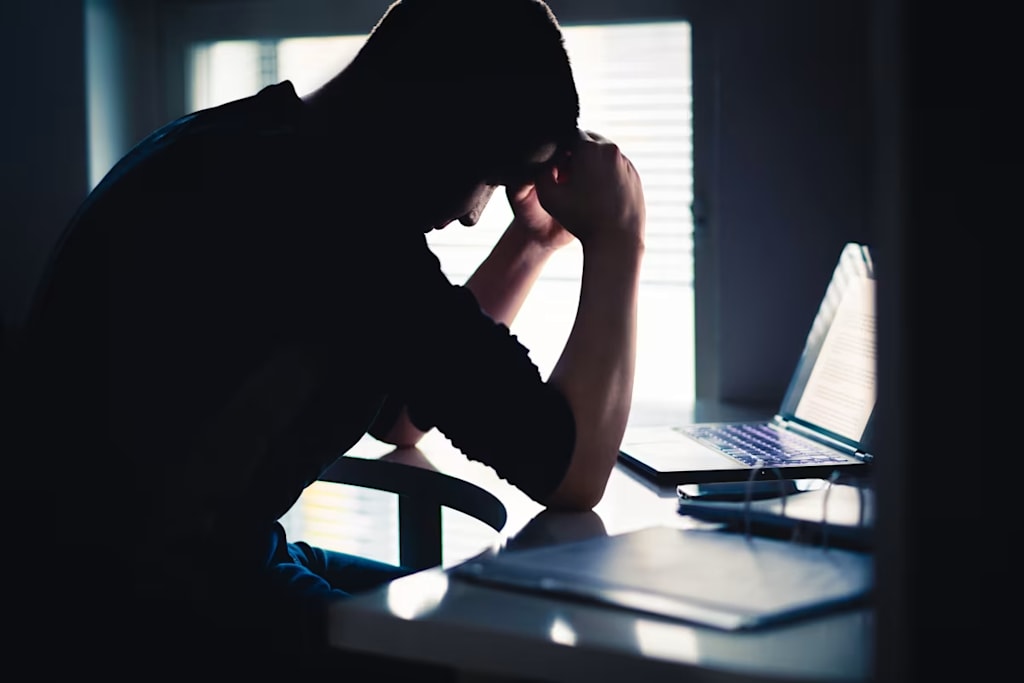
Imagine preparing for your final exams.
Your lecture notes are online. Your assignments are online. Your quizzes, grades, deadlines, professor announcements—everything lives in one digital classroom.
Then suddenly…
The platform disappears.
No access.
No materials.
No communication.
Just a ransom note from hackers staring back at students across America.
That is exactly what unfolded when a cyberattack struck Instructure’s popular learning platform, Canvas, disrupting schools, universities, and students nationwide at one of the worst possible moments: final exam season.
And if there was ever a wake-up call about how dependent modern education has become on digital infrastructure, this was it.
What Is Canvas?
For millions of students, Canvas is not just an app.
It is the classroom itself.
The cloud-based education platform is used by:
Universities
Public schools
Teachers
Administrators
According to its parent company, Instructure, the platform serves:
More than 30 million active users
Over 8,000 educational institutions globally
Elite universities such as:
Harvard University
Princeton University
Columbia University
Georgetown University
all reported disruptions during the attack.
But this was not just a technical outage.
This was digital paralysis.
How the Canvas Hack Happened
The attack reportedly began when users logging into Canvas were greeted not by assignments or lecture notes—but by a ransom message allegedly linked to the hacking group ShinyHunters.
The message claimed:
The company had been breached
Millions of user records were exposed
Sensitive information could be leaked unless demands were met
The hackers reportedly used a strategy now common in modern cyber warfare:
“Pay or leak.”
And just like that, the education system became a hostage negotiation.
Why This Cyberattack Was So Disruptive
The timing was brutal.
Students across the United States were:
Studying for finals
Submitting projects
Preparing for midterms
Accessing course materials
Then the platform went offline.
Professors suddenly lost:
Communication tools
Assignment portals
Announcement systems
Grading access
Students lost:
Lecture recordings
Study guides
Notes
Quizzes
Submission access
At institutions like Massachusetts Institute of Technology, faculty reportedly scrambled to find students’ email addresses because Canvas had become the central communication bridge between teachers and students.
Think about that for a moment.
One platform had become so deeply embedded in academic life that when it failed, the educational ecosystem stumbled with it.
The Rise of Educational Cyberattacks
This attack did not happen in isolation.
Cybercriminals increasingly target:
Schools
Universities
Healthcare systems
Public institutions
Why?
Because these organizations:
Hold massive amounts of personal data
Often rely on aging infrastructure
Cannot afford long disruptions
In other words:
They are vulnerable and pressured.
That combination is attractive to hackers.
Who Is ShinyHunters?
The cybercriminal group ShinyHunters has been linked to multiple high-profile breaches over recent years.
The group allegedly:
Stole Ticketmaster-related user data in 2024
Used phishing attacks to compromise employee credentials
Threatened companies with public leaks of sensitive information
Cybersecurity experts say these attackers often operate with:
Fake login portals
Voice phishing scams
Cloud-platform infiltration tactics
Their business model is simple:
Steal data
Threaten exposure
Demand payment
Modern cybercrime is no longer chaotic hacking from a basement.
It is organized digital extortion.
The Human Impact: Students Left in Panic
The technical details matter.
But the emotional impact matters too.
Students described:
Anxiety
Confusion
Academic disruption
Fear of falling behind
One student from University of Pennsylvania said he was suddenly logged out while studying for finals.
Another from University of California, Riverside missed a quiz entirely because of the outage.
For many, the fear was not just about grades.
It was about dependence.
Because modern education has quietly evolved into something fragile:
If the platform fails, learning pauses.
What Data May Have Been Exposed?
Earlier reports connected to the incident suggested the following information may have been accessed:
Usernames
Email addresses
Student ID numbers
Communications
Hackers even claimed to possess:
Millions of user records
Billions of private messages
Now, it is important to note:
Authorities have not publicly confirmed every claim made by the attackers.
And the Federal Bureau of Investigation has warned students and faculty not to panic or respond to extortion attempts.
Scammers frequently exaggerate access in order to pressure victims into paying.
How Instructure Responded
To contain the attack, Instructure temporarily placed Canvas into maintenance mode.
The company later revealed:
An unauthorized actor exploited vulnerabilities tied to Free-For-Teacher accounts
Those accounts were temporarily shut down
Canvas services were restored afterward
By Friday morning, many institutions reported systems returning online.
But by then, the damage had already been done—not only technically, but psychologically.
The Bigger Lesson: Digital Dependency Has a Price
This incident exposes something deeper than a cybersecurity flaw.
It exposes a structural reality:
Modern society has centralized too much trust into too few digital systems.
Education. Banking. Healthcare. Communication.
Everything now sits inside interconnected platforms.
Convenient? Yes.
Efficient? Absolutely.
Resilient?
That is the question the Canvas hack forces us to confront.
What Students and Schools Should Do Now
Cybersecurity experts recommend:
Avoid responding to suspicious emails or texts
Do not pay anyone claiming to possess your data
Change passwords connected to school accounts
Enable two-factor authentication
Monitor for phishing attempts
Because in cybercrime, the attack rarely ends when the outage ends.
Data stolen today may be weaponized years later.
Final Thought: The Classroom Has Become a Cyber Battlefield
There was a time when schools worried about:
Fire drills
Weather closures
Physical disruptions
Today, they must also prepare for invisible threats moving through servers, cloud systems, and stolen credentials.
The Canvas attack was not just a technical incident.
It was a glimpse into the future of digital vulnerability.
A future where a hacker thousands of miles away can interrupt classrooms, delay exams, disrupt universities, and shake the confidence of millions with a single breach.
And perhaps the most unsettling part is this:
The world is becoming more connected every day.
But connection without security is just exposure wearing the mask of convenience.
About the Creator
Omasanjuwa Ogharandukun
I'm a passionate writer & blogger crafting inspiring stories from everyday life. Through vivid words and thoughtful insights, I spark conversations and ignite change—one post at a time.
Enjoyed the story? Support the Creator.
Subscribe for free to receive all their stories in your feed.
Comments
There are no comments for this story
Be the first to respond and start the conversation.