
The BIZARRE Story About Nestlé's 30-Year PR Campaign
The Japanese were a tea-drinking nation for 1,200 years. Then, Nestlé launched a 30-year PR campaign to infiltrate their culture.

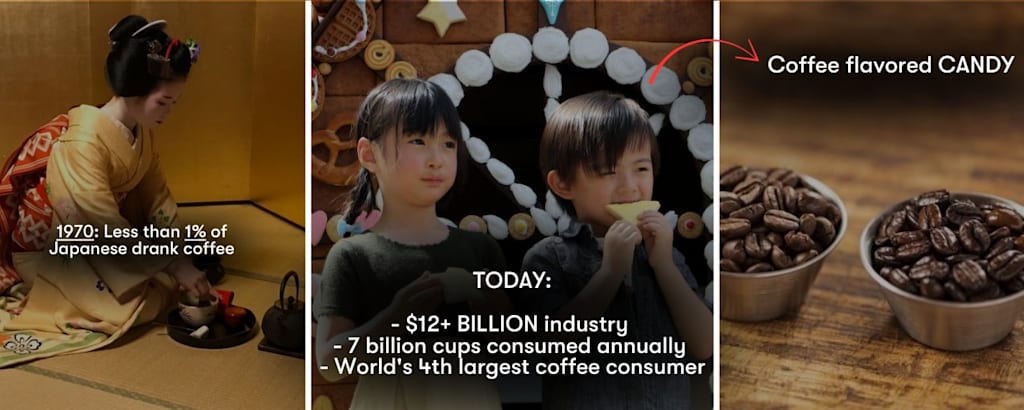
The Japanese detested coffee.
They were a tea-drinking nation for 1,200 years.
Then, Nestlé launched a 30-year PR campaign to infiltrate their culture.
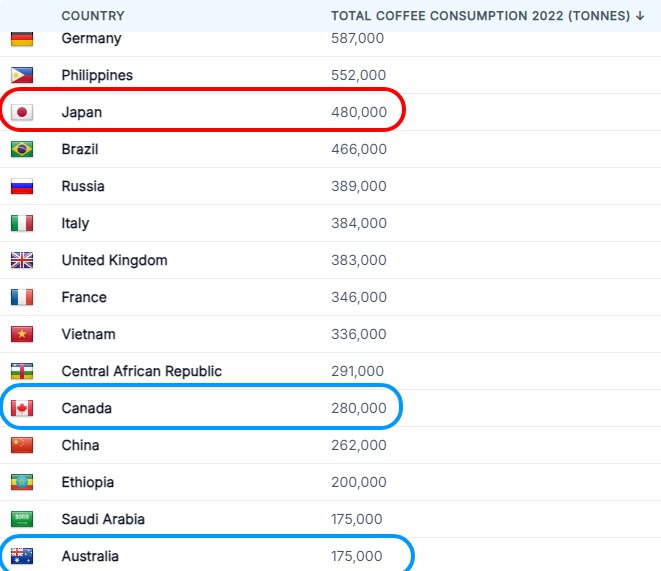
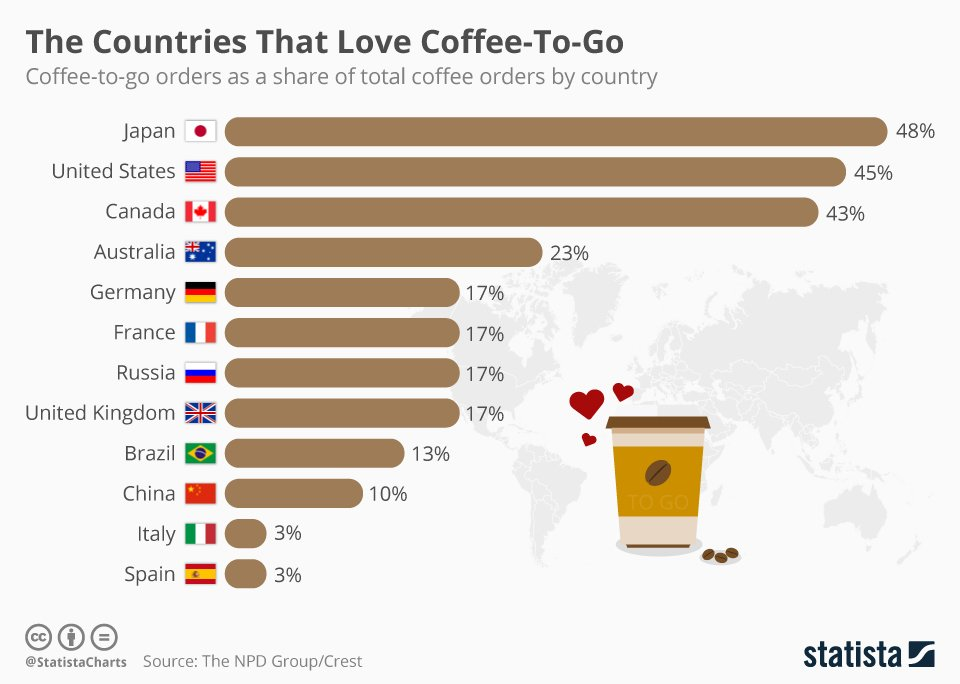
What happened next made Japan surpass Canada & Australia in coffee consumption… COMBINED.
Here’s the BIZARRE story.
1970s: Tea was in Japan’s DNA.
More than just a drink, tea defined Japanese identity:
- 90% of homes had it daily
- Tea ceremonies were a tradition
- Meetings started with tea service
Coffee? Less than 1% of Japanese drank it.
Enter Nestlé: a company with too much coffee…
Nestlé’s factories were producing MILLIONS of pounds of instant coffee with nowhere to sell it:
- Europe’s market matured
- Americans wanted fresh brewed
- South America’s coffee culture blocked their entry
Nestlé needed a new market to expand their global dominance...
And Japan surged like the ULTIMATE gold mine:
- 100M+ people
- Virtually no coffee consumption
- Zero competition in the coffee space
On paper, it was the perfect opportunity.
In reality, it was nearly impossible…
Nestlé encountered 3 massive problems:
1. Stigma against coffee
2. Deep-rooted tea culture
3. No emotional connection to the drink
99% of companies would have launched ad campaigns and hoped for the best.
But Nestlé did something much darker.
They went INCEPTION-level deep…
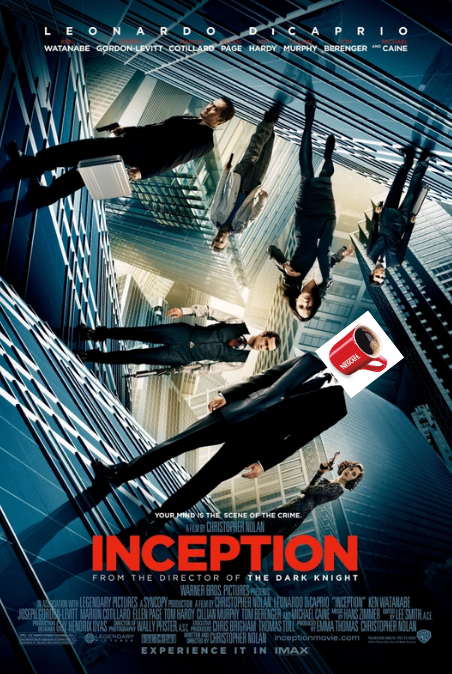
Nestlé's solution wasn't simple PR or advertising.
Their grand plan? Create a generation of coffee lovers.
So they devised a 30-year psychological operation that would make the CIA jealous.
Their first move? Pure genius:
Step 0. The Target
Nestlé completely ignored adults.
Why? They were a lost cause - their taste preferences were already set.
Instead, Nestlé went after Japan’s KIDS.
And their weapon of choice?
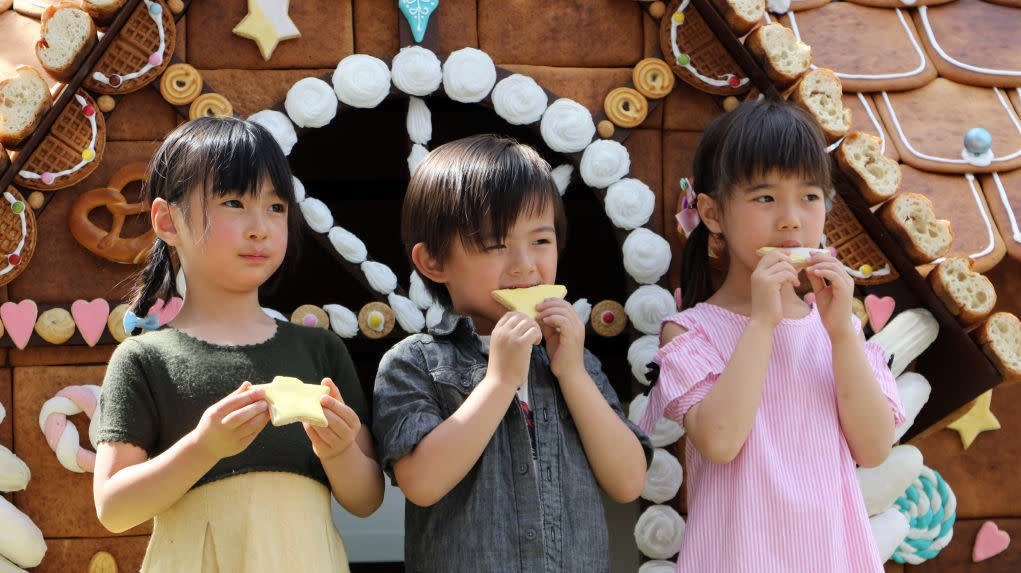
Step 1: The Trojan Horse
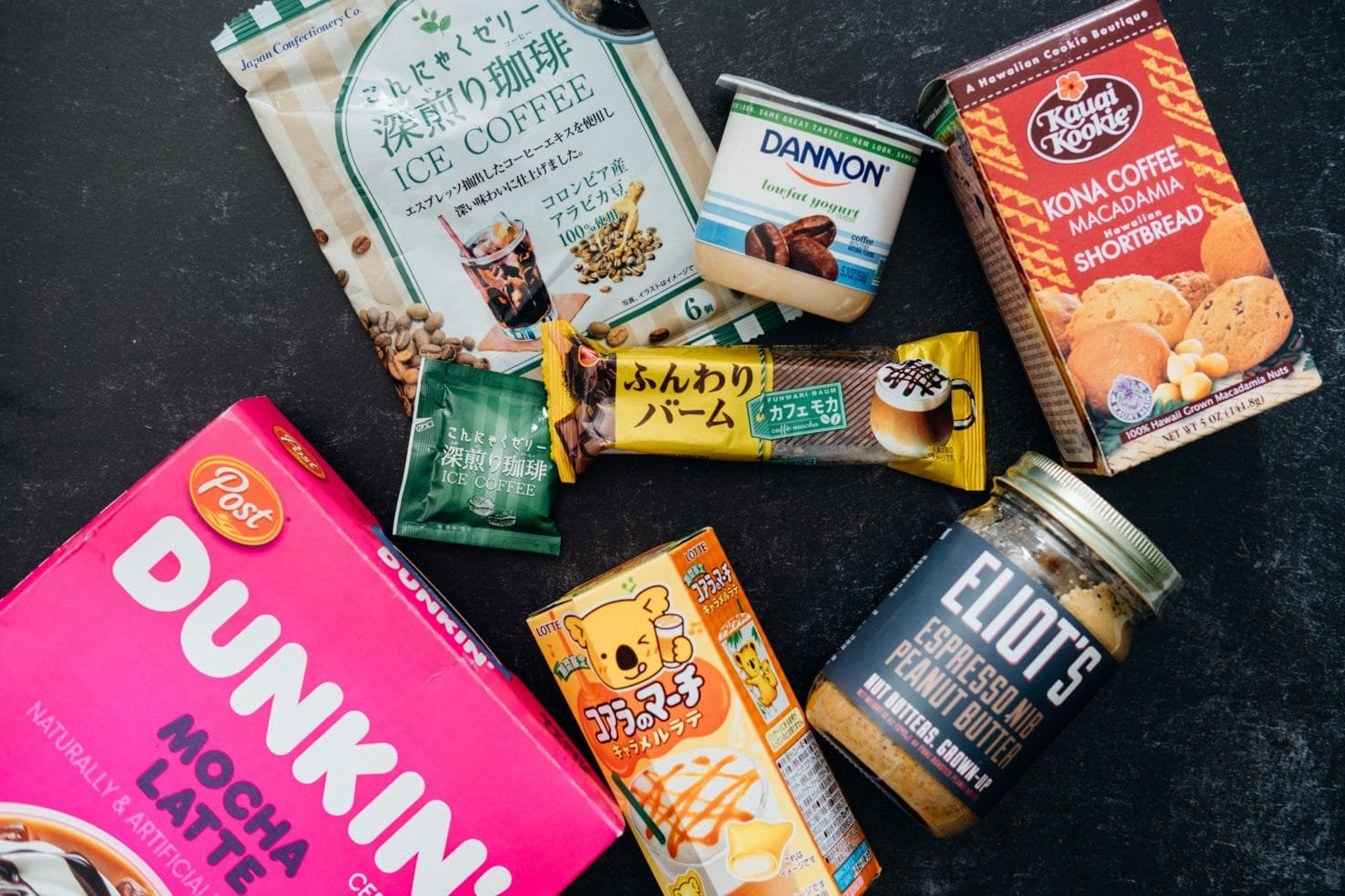
Nestlé launched coffee-flavored CANDY.
No caffeine. No actual coffee. Just the flavor.
Kids loved it. The parents? They didn’t care–it wasn’t ‘real’ coffee.
Nestlé genius? Creating positive associations with coffee from a young age.
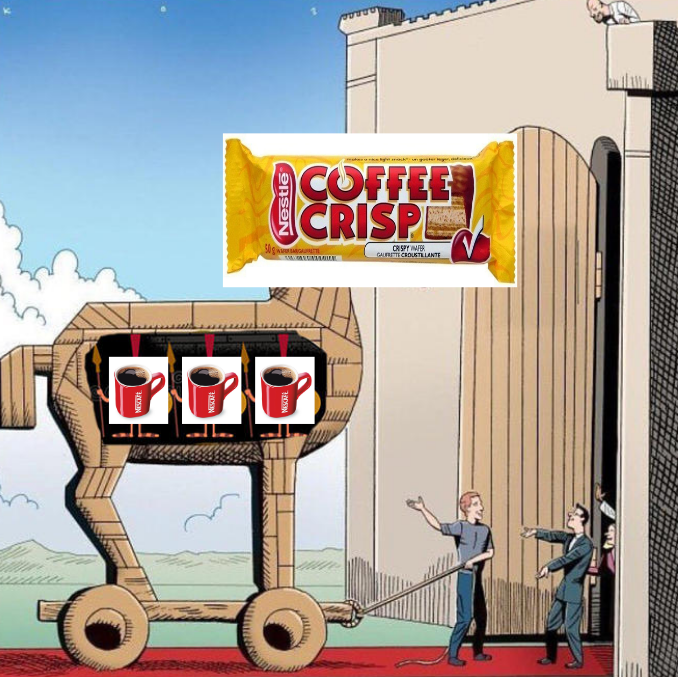
Step 2: Coffee Everywhere
In the 1980s, Nestlé strategically expanded:
- Coffee-flavored ice cream
- Snacks
- Gums
The Japanese youth were developing cravings they didn't understand.
Invisible PR at its finest…
Step 3: A New Ritual
Nestle knew Japan loved rituals.
So they created new ones around coffee:
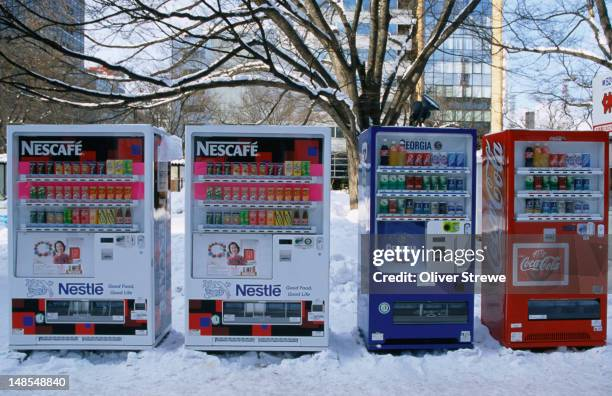
- Vending machines on every corner
- Canned coffee for convenience
- Cafes replacing tea-houses
By the mid-80s, coffee wasn't foreign anymore.
It was cool. Modern. Essential.
Here’s a stat you won’t find on Google:
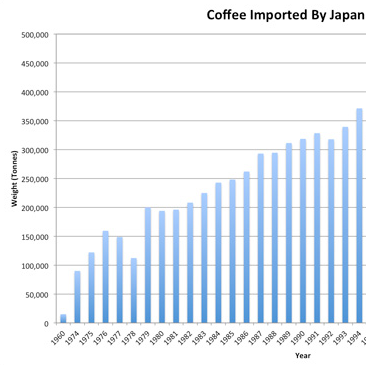
By the late 80s, Japan’s coffee consumption had jumped 300% in a decade.
Those kids? Now young adults.
And they weren’t just accepting coffee - they were ADDICTED to it.
But Nestlé still wasn’t done…
The Final Push
Nestlé launched Nescafé morning campaigns that tied coffee to:
- Productivity
- Modern lifestyles
- Professional success
Coffee wasn't just a drink anymore.
It was part of their identity, just like tea.
The result?
This psychological operation ran for 30+ years.
By the 2000s, coffee became part of Japan’s life.
Nestlé had rewired their taste buds without them even knowing.
Today, Japan drinks more coffee than Canada and Australia combined - 480,000 tons annually.
And not only that…
The Japanese coffee market today:
- $12+ BILLION industry
- 7 billion cups consumed annually
- World's 4th largest coffee consumer
All because Nestlé understood a fundamental truth:
You don't change beliefs by challenging them.
Having a great product isn’t enough.
Nestlé had Nescafé, but without their relentless, multi-decade perception campaign, it would’ve gone nowhere.
The same goes for your business.
If you can shape perception, you can control a market.
The lesson is powerful:
Success isn’t about forcing change.
It's about planting ideas that grow over time.
It's about patience, psychology, and playing the long game.
About the Creator
Laurens Tijssen
Helping Entrepreneurs Achieve Strategic Power.
Published over 400+ Articles.
I wrote articles for client on Forbes, USA Today, Rolling Stone, Business Insider, Reuters and other leading publications.
Enjoyed the story? Support the Creator.
Subscribe for free to receive all their stories in your feed.
Comments
There are no comments for this story
Be the first to respond and start the conversation.