
The Beef Policy Paradox: Short‑Term Fixes, Long‑Term Harm
A Nation at a Crossroads: The Perfect Storm of Supply and Demand, Tariffs, Quotas, and Confusing Signals How Policy Backfired. Political Fallout in Farm Country: The Deeper Lesson

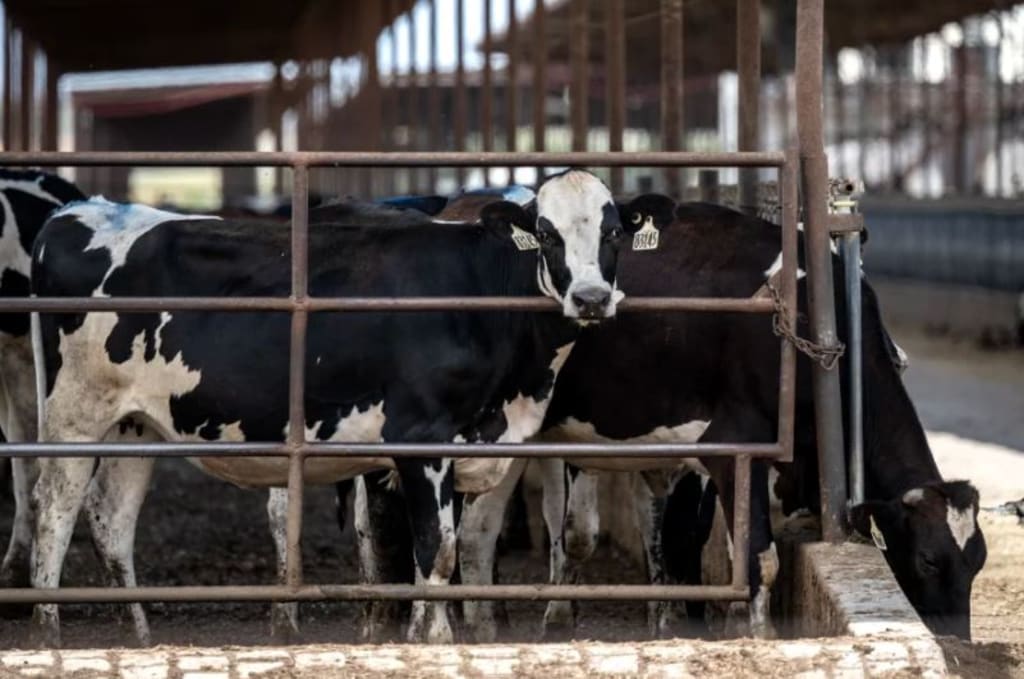
Scott Birker knows his cattle, and he knows when they are restless. But as a lifelong Iowa rancher and regional leader in the state’s Cattlemen’s Association, he also recognises when the market itself is unsettled. Since President Trump announced a temporary suspension of tariffs on up to 300,000 metric tons of imported beef last August, Birker and producers across the Midwest have felt that same unease. What began as an effort to lower grocery prices has instead exposed deep contradictions in American agricultural policy and become a defining issue heading into the 2026 midterms.
The Perfect Storm of Supply and Demand
The challenge began long before the latest order. Years of severe drought across the Great Plains and Western states shrank hay supplies, strained pastures, and pushed the U.S. cattle herd to a 75‑year low. Compounding that, disease‑related restrictions on livestock imports from Mexico further tightened feedlot stocks. With supply down and consumer demand strong, prices naturally surged: ground beef now averages roughly $6.80 per pound, among the highest levels on record.
Economists have been consistent: raising prices is a straightforward matter of too few animals meeting steady demand. Fixing it means expanding the herd, a process that takes years, not months.
Tariffs, Quotas, and Confusing Signals
The Trump administration’s response unfolded in overlapping, often conflicting moves:
Last year’s trade war closed China’s market to U.S. farmers, cutting agricultural exports from $38 billion in 2022 to just $8 billion in 2025.
February 2026 saw targeted relief: 80,000 metric tons of lean beef trimmings from Argentina admitted under reduced tariffs.
May’s summit with Xi Jinping promised renewed access to China for beef and poultry at an annual rate of $17 billion starting this year, a vital, if partial recovery.
August’s sweeping order went further, suspending tariffs on 300,000 metric tons of imported beef and requiring those imports to be sold 25% below market price.
Taken together, producers see a pattern: foreign markets shut, then foreign supply opens, all in the name of domestic affordability.
How Policy Backfired
The results have been precisely the opposite of what was intended:
Producers held back. Facing unpredictable import rules, ranchers hesitated to rebuild herds. Many sent breeding heifers to market instead of keeping them to produce calves narrowing long‑term supply.
Prices barely moved. The 300,000 tons represents only about 2% of annual U.S. consumption. September’s ground beef price was virtually unchanged from August, w too little supply relief to move the needle.
Uncertainty became the biggest cost. “If I’m a producer, I think, well, what’s next?” notes Iowa State University livestock economist Zach Raff. “Why replace the herd if the rules will shift again?” That hesitation prolongs the shortage it was meant to solve.
The outcome: consumers saw no meaningful relief; producers saw their market weakened. A classic lose‑lose.
Political Fallout in Farm Country
These tensions have spilled directly into midterm campaigning, nowhere more visibly than in Iowa:
Rep. Ashley Hinson, running for Senate, broke publicly with the administration, calling the tariff suspension “not the way” to help families or farmers.
Her Democratic opponent Josh Turek countered that past tariff votes created the very fragility now on display.
Down‑ballot races and gubernatorial contests across beef‑heavy states Nebraska, Kansas, Texas, Montana echo the same debate.
Even loyal Republicans like Birker express quiet misgivings while sticking with the party, underscoring how deeply the issue cuts.
Administration officials have defended the moves as bold, pragmatic action. Agriculture Secretary Brooke Rollins told farm leaders the country would eventually “look back and be grateful” for decisive leadership. But on the ground, gratitude is in short supply.
The Deeper Lesson
This moment reveals a fundamental truth about food and trade policy: there are no quick fixes for biological realities. Herds take time to rebuild; markets take time to stabilise; and sending conflicting signals, closing markets here, flooding supply there undermines the very confidence needed for long‑term recovery.
As voters head to the polls, they are weighing not just who to represent them, but which approach they trust: short‑term interventions that ripple through communities, or consistent, steady policies that let producers plan for years ahead. The cattle may grumble when separated from their mothers; farmers have begun to grumble, too, and this election, their voices will be heard.
About the Creator
Mark Lim
Hi I am mark an automotive student and a car, tech and food enthusiast ! Im gonna try and post daily & hope you enjoy what I write and do share my page with people you know. I would gladly appreciate it! Cheers
Enjoyed the story? Support the Creator.
Subscribe for free to receive all their stories in your feed.
Comments
There are no comments for this story
Be the first to respond and start the conversation.