
The Arc of Innovation: A Deep Dive into the Legacy and Utility of the Curved Blade
karambit
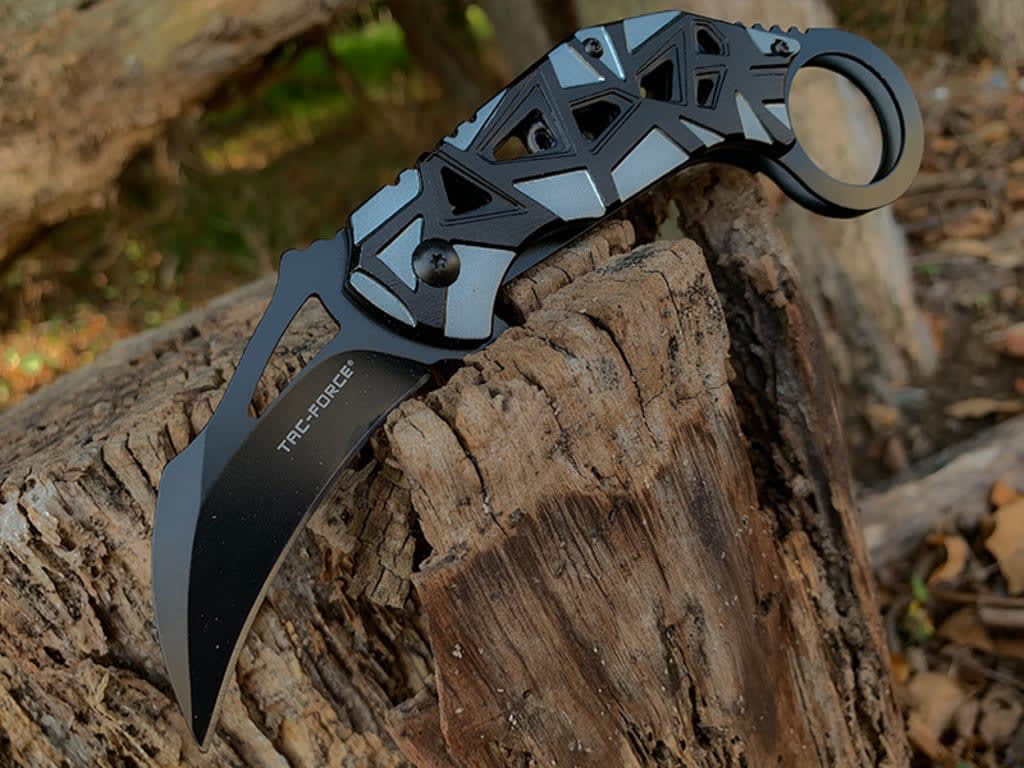
In the vast ecosystem of bladed tools, few silhouettes are as instantly recognizable or as polarizing as the curved claw of Southeast Asia. Often referred to in martial arts circles as the karambit, this specialized instrument has occupied a unique niche in the cutlery world for centuries. Originating from the Indonesian archipelago, the design was inspired by the natural world, specifically the claws of the tiger, prioritizing hooking, tearing, and absolute retention. To understand the value of this tool, one must look past its aggressive aesthetic and explore the engineering, ergonomics, and tactical philosophy that make it a staple for professionals and enthusiasts alike.
Historical Roots: From the Rice Fields to the Battlefield
Long before it was a mainstay in modern tactical gear collections, the karambit served as a humble agricultural implement. In 11th-century Sumatra, Minangkabau farmers used smaller, less curved versions of the blade for raking roots, gathering threshing, and planting rice. It was essentially a micro-sickle, designed for the repetitive, pulling motions of tropical farming.
As the political landscape of Southeast Asia shifted, the tool was weaponized. The "claws" became more pronounced to maximize slashing potential, and the finger ring was integrated to ensure the knife couldn't be dropped in the mud of a jungle skirmish or stripped away by an opponent. By the time the karambit was absorbed into the regional martial arts of Pencak Silat and Filipino Kali, it had evolved into a "last resort" weapon—a hidden, lethal surprise for close-quarters combat when a primary spear or sword was lost.
Anatomy of the Curve: Engineering for Retention
What makes this design unique isn't just the blade shape, but how it interacts with the human hand. The design is built around three core pillars:
The Hawkbill Blade: The inward curve creates a "mechanical hook." Unlike a straight blade that can slide off a target, this geometry pulls the material into the edge. This makes it devastatingly effective for cutting through thick rope, heavy webbing, or organic materials with minimal effort.
The Safety Ring: The pommel ring is the defining feature of the karambit. By placing the index finger (in a reverse grip) or the pinky (in a forward grip) through the ring, the user achieves "total retention." It is virtually impossible to disarm someone holding the tool properly, and the ring allows the user to open their hand to climb or grab an object without dropping the blade.
Ergonomic Handle: Most modern versions feature deeply contoured handles. This ensures that the pressure of a strike is distributed across the palm, reducing the risk of the user’s hand slipping onto their own edge during high-impact use.
Tactical vs. Utility: The Modern Divide
In the contemporary market, the tool has split into two primary categories: fixed blades and folders.
Fixed Blades: These are the closest to the traditional design. A fixed-blade version offers maximum structural strength. Because there are no moving parts, it is the preferred choice for tactical professionals and martial artists who require instant deployment and a tool that can withstand the rigors of heavy-duty survival tasks.
Folders: For the everyday carry (EDC) community, the folding karambit is a game-changer. These units combine the claw-like utility of the blade with the pocketability of a standard penknife. Many high-end folders feature "Wave-shaped" openers, small hooks on the spine of the blade that catch the edge of the pocket, deploying the knife automatically as it is drawn.
The Learning Curve: Training and Safety
It must be stated: this is not a beginner’s blade. Because of its unique geometry, the tip is often closer to the user’s own hand during certain maneuvers than a traditional knife would be.
The Grip: The most common way to hold the tool is the "Reverse Grip" (icepick grip), with the blade extending from the bottom of the fist. This maximizes the hooking and punching potential of the design.
Transitions: Advanced practitioners can "flip" or spin the karambit on the finger ring to transition between extended and retracted positions. While flashy, this requires significant muscle memory to perform safely.
Training Blades: If you are interested in the martial applications, it is vital to start with a "trainer", a blunt, unsharpened version made of aluminum or rubber—to master the movements before graduating to live steel.
Maintenance: Caring for the Claw
Maintaining a curved edge presents unique challenges due to the concave (inward) arc. You cannot use a standard flat whetstone to sharpen it. Instead, you need a ceramic rod, a "sharpening bone," or a rounded diamond hone that can follow the interior arc of the steel. Keeping the tip—the "apex" of the tool, needle-sharp is essential, as the utility of the design relies on that initial point of entry to start a pull-cut.
For folding models, regular lubrication of the pivot point is necessary, as the centrifugal force used during deployment can put extra stress on the internal bearings or washers.
The Spirit of the Tiger
Ultimately, this bladed tool is a testament to the ingenuity of Southeast Asian culture. It is a tool that was born from the earth, refined in the fires of conflict, and perfected by modern metallurgy. It isn't just a knife; it is a specialized instrument for those who value grip security and precision above all else. Whether you’re using it to open boxes with surgical ease or training in the intricate flows of traditional Silat, the design remains one of the most effective and fascinating in the history of edge tools, a piece of functional history that fits perfectly in the palm of your hand.
By matching the right model to your specific needs, you ensure that you are carrying a legacy of performance. It remains the definitive choice for those who want a tool that stays in the hand when the situation gets difficult, proving that sometimes, the most effective path to a solution isn't a straight line, but a curve.
About the Creator
Enjoyed the story? Support the Creator.
Subscribe for free to receive all their stories in your feed.
Comments
There are no comments for this story
Be the first to respond and start the conversation.