
The Allure of Incense Sticks: A Journey Through Fragrance, Culture, and Well-Being
Types of Incense: Exploring Masala and Dipped Sticks
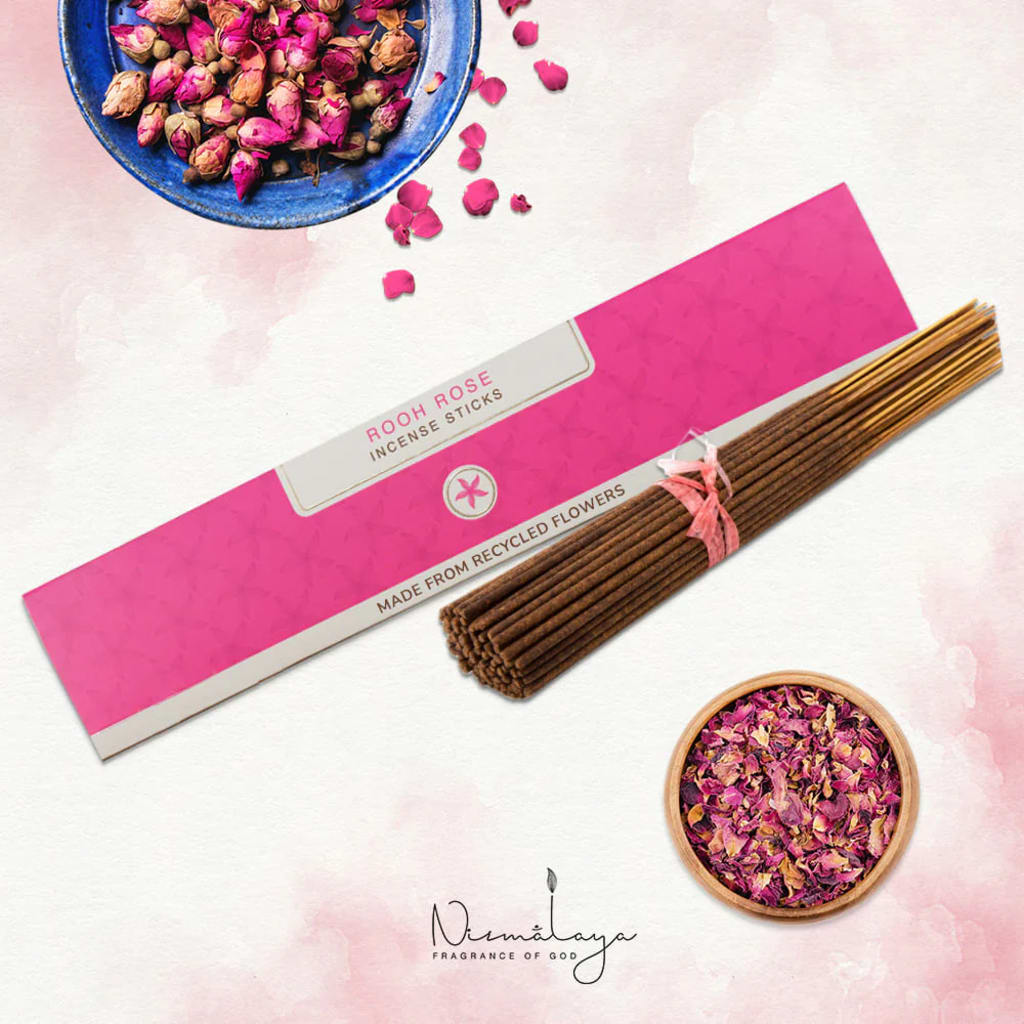
Incense sticks have been used for thousands of years across cultures and civilizations, serving various purposes ranging from spiritual practices to enhancing personal well-being. Originating from ancient Egypt and India, the use of incense has spread globally, with each culture adding its unique twist to the art of fragrance. Today, incense sticks are a popular choice for creating calming atmospheres, purifying spaces, and enhancing rituals.
Historical Background
The practice of burning incense can be traced back to ancient civilizations, including the Egyptians, who used it in religious ceremonies, as offerings to deities, and for embalming purposes. The Egyptians valued scents derived from myrrh and frankincense, which were often burned in temples. Similarly, in India, incense has deep spiritual significance in Hinduism, Buddhism, and Jainism. The Vedic texts mention the use of incense in rituals, where the aromatic smoke is believed to carry prayers to the gods.
Throughout history, incense has been utilized in various religious traditions, including Christianity and Islam. In Christianity, incense is used during Mass, symbolizing the prayers of the faithful rising to heaven. In Islam, burning oud or bakhoor is a common practice during religious gatherings and special occasions. This rich history has established incense as a multifaceted element of human culture, transcending geographical and temporal boundaries.
Types of Incense Sticks
Incense sticks are made from a variety of natural ingredients, including resins, herbs, and essential oils. The two main types of incense sticks are masala and dipped.
Masala Incense Sticks: These are made by mixing powdered natural materials with a binding agent, often water. The mixture is then shaped into sticks and allowed to dry. Masala incense sticks offer a rich, complex aroma that can vary greatly depending on the ingredients used. Common ingredients include sandalwood, patchouli, and jasmine.
Dipped Incense Sticks: These sticks are made from bamboo and are dipped in a concentrated fragrance solution, often synthetic. While they may be less expensive, the scent can be less natural compared to masala sticks. Dipped incense is widely available and often comes in a range of scents, from floral to woody.
Uses of Incense Sticks
Incense sticks serve various purposes, each catering to different needs and preferences. Here are some of the most common uses:
1. Spiritual and Religious Practices:
Burning incense sticks is a common ritual in many religions. In Hinduism, they are often lit during pujas (prayers) and rituals, symbolizing the removal of negative energy and the invitation of positive vibes. The smoke is believed to purify the environment and uplift the spiritual atmosphere.
In Buddhism, incense is used in meditation and mindfulness practices, helping practitioners create a serene environment conducive to introspection and reflection. The calming aroma aids in centering the mind, making it easier to focus during meditation.
2. Aromatherapy:
In the realm of aromatherapy, incense sticks are valued for their therapeutic properties. Different scents can evoke various emotional responses and help alleviate stress, anxiety, and depression. For example, lavender incense is known for its calming effects, while citrus scents can invigorate and energize the mind.
In addition to emotional benefits, some scents have physical healing properties. Eucalyptus, for instance, is often used for respiratory issues, while sandalwood is believed to have anti-inflammatory benefits. Burning incense sticks can therefore serve as both a spiritual and therapeutic tool.
3. Creating Atmosphere:
Many people use incense sticks to enhance their living spaces. The act of burning incense can transform an ordinary room into a tranquil sanctuary. The soothing aromas can help mask unpleasant odors and create a welcoming ambiance, making it a popular choice for homes, yoga studios, and spas.
Whether used during a bath, a quiet evening at home, or a yoga session, incense sticks can elevate the sensory experience and contribute to a sense of peace and relaxation.
4. Cultural Ceremonies and Celebrations:
Incense sticks are often integral to cultural celebrations and ceremonies. In many Asian cultures, incense is burned during festivals to honor ancestors and deities. The fragrance is seen as a way to connect with the spiritual realm and bring blessings to the family.
In weddings and other significant life events, incense may be burned to symbolize purification, prosperity, and happiness. The aromatic smoke is often intertwined with cultural traditions, adding depth and meaning to the celebration.
Health Considerations
While incense sticks can provide numerous benefits, it is essential to use them mindfully. Prolonged exposure to smoke from incense can potentially irritate the respiratory system, especially in poorly ventilated spaces. It is advisable to use natural incense made from pure ingredients and to burn it in moderation.
For individuals with allergies or respiratory issues, it is best to consult a healthcare professional before using incense regularly. Ensuring proper ventilation while burning incense can also mitigate any potential adverse effects on health.
Conclusion
Incense sticks are more than just aromatic products; they are vessels of culture, tradition, and well-being. With a rich history that spans centuries and continents, the use of incense has evolved into a multi-faceted practice that serves various needs. From enhancing spiritual rituals to promoting relaxation and creating inviting atmospheres, incense sticks continue to play a significant role in our lives.
As we embrace the benefits of incense in modern wellness practices, it is vital to remember the traditions and values that have shaped its journey. Whether you seek tranquility through meditation, aim to purify your space, or simply want to enjoy a fragrant atmosphere, incense sticks offer a timeless way to connect with yourself and the world around you.
About the Creator
Enjoyed the story? Support the Creator.
Subscribe for free to receive all their stories in your feed.
Comments
There are no comments for this story
Be the first to respond and start the conversation.