
The Advantages and Uses of Moringa Pellets as Animal Feed
Uses of Moringa Pellets
Introduction:
As horse owners and aficionados, we are always looking for ways to make sure that our horses are getting the greatest nutrition. Alternative feed solutions that offer a healthy diet while being environmentally friendly have gained popularity in recent years. Moringa pellets are one such choice that is gaining popularity and have many advantages for horses. We will go into the world of feeding horses moringa pellets in this blog post, looking at their nutritional content, sustainability, and potential benefits for horses' health.
What exactly is Moringa?
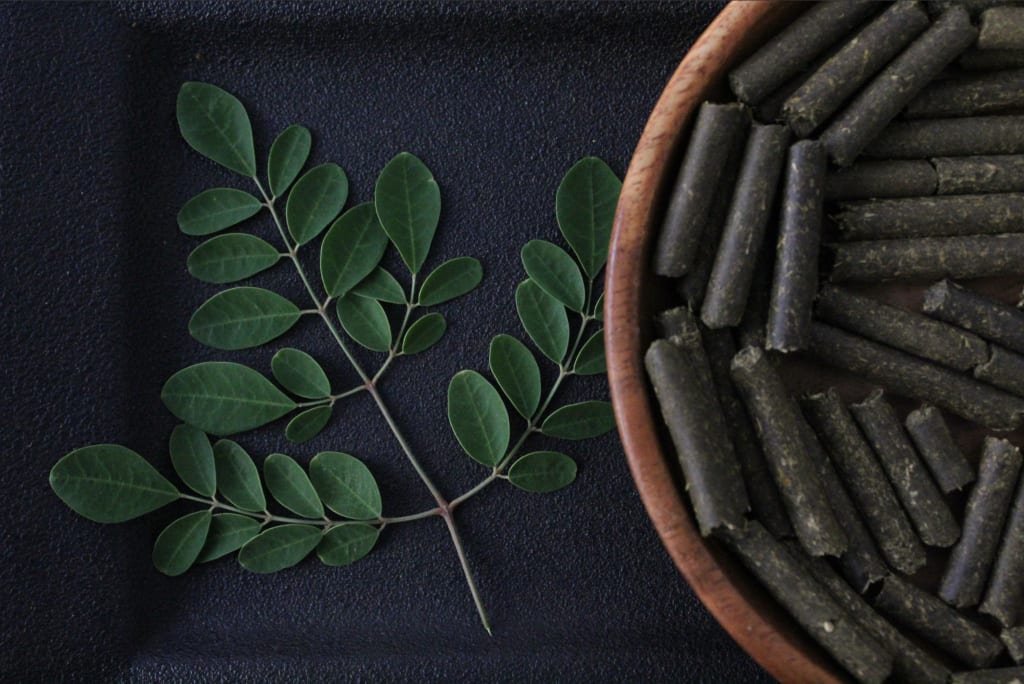
The fast-growing moringa tree, or Moringa oleifera as it is known technically, is native to the Indian subcontinent. Because of its great nutritional content and therapeutic capabilities, it has been loved for generations. The leaves, seeds, and pods of the moringa tree are all used for a variety of things, including as a supplement to animal feed.
Benefits of feeding moringa pellets to horses
Nutritional Value of Moringa Pellets
Horses can benefit greatly from eating moringa leaves because they are rich in vital nutrients. They are rich in protein, vital amino acids, calcium, potassium, magnesium, vitamins A, B, C, and E, as well as other minerals. Horses with a healthy general condition, a robust immune system, and improved coat condition benefit from the balanced nutritional profile of pellets of moringa.
Digestibility and Palatability
Using pellets as horse feed has several benefits, one of which is their high digestibility. To make the leaves easier for horses to chew and digest, the leaves are finely powdered and formed into pellets. Additionally, most horses find moringa pellets to be tasty and readily incorporate them into their diet.
Support for Joints and Muscles
Calcium and magnesium, which are essential for keeping strong bones and muscles, are abundant in moringa leaves. These elements are necessary for healthy muscles and help maintain the general joint health of horses. Regularly incorporating moringa pellets into the diet of horses, especially those involved in strenuous activity, can maintain their long-term health and movement.
Anti-inflammatory and Immune-Boosting Properties
Flavonoids and phenolic chemicals, which are potent antioxidants, are rich in moringa leaves. These anti-oxidants aid in reducing inflammation and fighting oxidative stress in the body. Horse owners may be able to reduce the danger of inflammatory problems and strengthen their equine's immune system by adding pellets to the feed regimen.
Environmental friendliness and sustainability
Moringa trees are very environmentally responsible. They grow quickly, use little water, and do well in a variety of climates. Additionally, growing moringa for feed can lessen the need for conventional feed crops, reducing the environmental effect of their production.
Suggestions for Nutrition
It is crucial to take into account each horse's specific nutritional needs, level of exercise, and any underlying health issues while introducing pellets into its diet. To decide how many moringa pellets to add to the feed regimen, consulting a veterinarian or equine nutritionist is advised.
How to Use Moringa Pellets
Choose the Right Amount
Before adding pellets to your horse's diet, it's crucial to choose the right amount based on their dietary requirements, level of activity, and any underlying medical concerns. To obtain customized feeding advice, speak with a veterinarian or an equine nutritionist.
Introduce Gradually
It's advisable to introduce your horse to moringa pellets gradually. Initially, only a tiny amount should be added to their daily diet. Over the course of a few days, gradually increase the amount. This lessens the likelihood of gastric discomfort and enables their digestive system to adapt to the new nutrition.
Combine with the usual Feed
You may combine moringa pellets with your horse's usual feed with ease. To stimulate thorough consumption, make sure the pellets are distributed uniformly throughout the diet.
Observe Acceptance and Modify
Pay attention to how your horse reacts to the pellets of moringa. The majority of horses enjoy them, though individual tastes may differ. Try combining the pellets with a tiny amount of molasses or other feed additives to improve taste and acceptance if your horse initially shows hesitation or resistance.
Regular Evaluation
To determine the effects of moringa pellets on your horse's well-being, regularly assess your horse's general health, coat condition, and performance. To make sure the feeding schedule corresponds with your horse's changing nutritional needs, think about seeing a veterinarian or nutritionist on a regular basis.
Conclusion
Horse owners looking for a sustainable and nutrient-dense feed alternative should strongly consider pellets made by Wholesale Organic Moringa Leaf Powder. These can improve the general health and performance of horses due to their amazing nutrient profile, simplicity of digestion, and potential health advantages. As the horse racing community keeps looking into new feed options, moringa pellets demonstrate to be a promising addition to the equine diet, promoting both horse health and environmental sustainability.
About the Creator
Enjoyed the story? Support the Creator.
Subscribe for free to receive all their stories in your feed.
Comments
There are no comments for this story
Be the first to respond and start the conversation.