
The $20 Burrito Wars: How a Lunch Price Sparked an Intra-Conservative Civil War Over Inflation and Empathy
A viral tweet about burrito affordability ignited a fierce debate among right-wing commentators and politicians, exposing deep fractures over economic messaging, generational divides, and political strategy in 2026.


What began as a casual observation about lunch prices has erupted into a full-blown ideological skirmish within the conservative movement, revealing profound disagreements over how to address cost-of-living concerns in post-pandemic America. The controversy ignited when Turning Point USA spokesperson Andrew Kolvet shared a college student’s lament that “a burrito shouldn’t cost $20,” framing it as symptomatic of lingering Biden-era inflation. The tweet amassed 3.6 million views and triggered responses from high-profile figures including Daily Wire host Matt Walsh, former Babylon Bee editor Joel Berry, and Texas Representative Dan Crenshaw, each representing distinct factions within modern conservatism. What started as a discussion about food prices quickly metastasized into a proxy war over empathy, personal responsibility, and electoral viability.
Walsh had initially set the stage by declaring grocery prices “insane” and urging elected leaders to prioritize domestic affordability over foreign policy, warning that neglecting this issue was fueling socialist gains. His stance positioned economic anxiety as a moral and strategic imperative for Republicans. Kolvet’s burrito anecdote amplified this message with relatable, generational specificity. But the backlash was swift. Joel Berry countered that homemade burritos are cheap, reframing the crisis as one of culinary illiteracy rather than systemic failure a classic bootstrap argument that resonates with older conservatives but often alienates younger audiences facing structural economic headwinds.
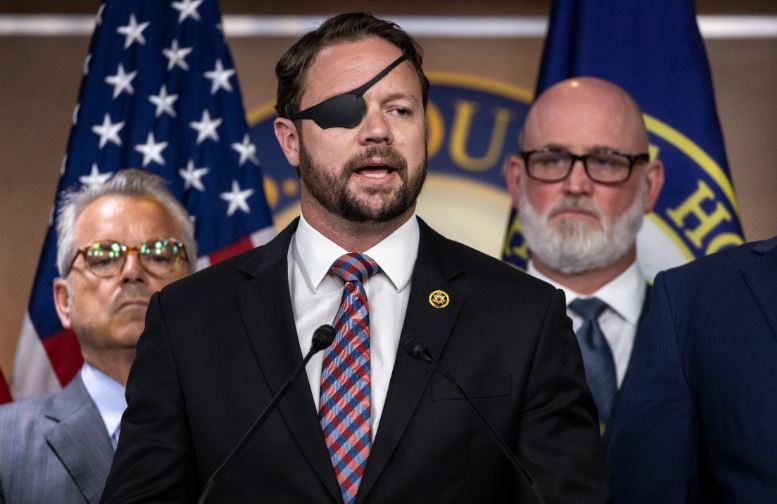
The most explosive intervention came from Rep. Dan Crenshaw, who dismissed critics as “losers” and told them to “stop whining, get a job, eat Ramen as the rest of us did in college.” His post, intended as provocative trolling, backfired spectacularly. X users appended a Community Note highlighting his past criticisms of price hikes under President Biden, underscoring perceived hypocrisy. More significantly, his tone clashed sharply with the populist economic messaging that has defined much of the GOP’s recent outreach to working-class voters. Telling struggling young adults to endure hardship because previous generations did ignores decades of wage stagnation, housing inflation, and student debt accumulation that distinguish today’s economic reality from that of the 1990s or early 2000s.
At its core, this debate exposes a tension between two conservative philosophies: one emphasizing individual resilience and cultural traditionalism (cook at home, budget carefully), and another acknowledging systemic failures requiring policy solutions (address supply chains, corporate pricing, monetary policy). Walsh and Kolvet represent the latter camp, recognizing that visceral experiences of unaffordability even over seemingly trivial items like burritos shape political behavior more powerfully than abstract economic indicators. When a generation perceives basic sustenance as luxuriously priced, no amount of personal virtue signaling can offset the sense of betrayal.
Crenshaw’s response, meanwhile, embodies an outdated brand of fiscal conservatism that conflates frugality with moral superiority. While eating ramen in college was once a rite of passage, today’s students face tuition costs triple those of Crenshaw’s era, alongside rent burdens that consume half their income. Dismissing their concerns as entitlement ignores these structural shifts. Worse, it cedes rhetorical ground to progressives who frame affordability as a matter of justice rather than character. As Walsh warned, failing to meet voters where they are economically risks handing victories to opponents who do.
The burrito itself is merely symbolic, a tangible proxy for broader anxieties about dignity, stability, and whether the American promise still holds. That it sparked such intense infighting reveals how fragile conservative consensus has become on economic issues. Moving forward, the movement must decide whether to double down on scolding individual choices or embrace policies that validate lived experience without abandoning principle. One path reinforces stereotypes of elitism; the other offers a chance to rebuild trust with a generation watching their purchasing power evaporate.
Ultimately, the $20 burrito isn’t about lunch. It’s about whether conservative voices can speak to the material realities of ordinary Americans without condescension. In an election cycle where kitchen-table economics dominate, that distinction may determine not just online debates, but real-world outcomes. The heat generated by this controversy suggests the answer remains painfully unresolved.
About the Creator
Mark Lim
Hi I am mark an automotive student and a car, tech and food enthusiast ! Im gonna try and post daily & hope you enjoy what I write and do share my page with people you know. I would gladly appreciate it! Cheers
Enjoyed the story? Support the Creator.
Subscribe for free to receive all their stories in your feed.
Comments
There are no comments for this story
Be the first to respond and start the conversation.