
Technological Advancements in Ball Stop Netting for Extreme Weather Conditions
Ball Stop Netting vs Extreme Weather Conditions
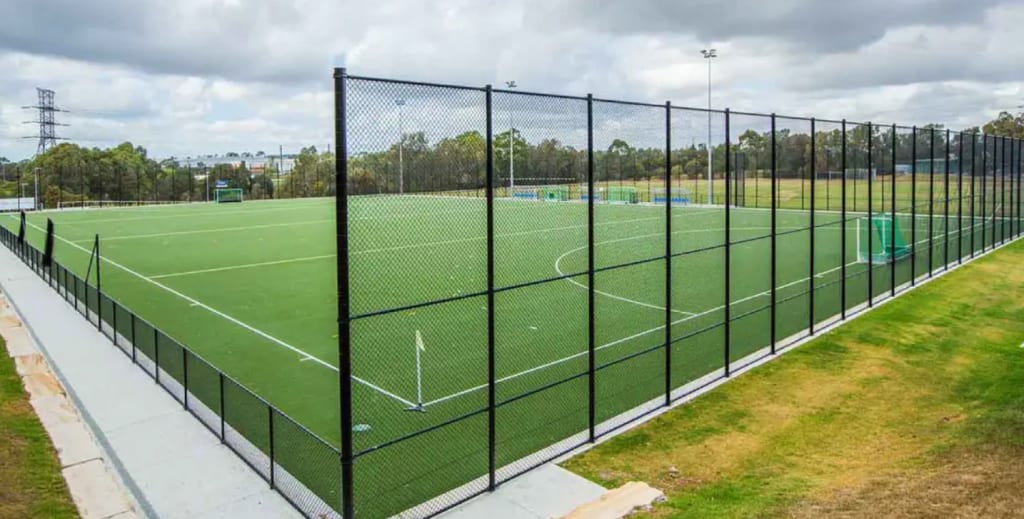
In sport, safety and effectiveness matter most. Ball stop netting systems have long been an important part of avoiding stray balls leading to accidents or harm, but as the weather becomes increasingly unstable, the technology used to implement these systems must also improve in order to face new challenges. New developments in ball stop netting are tailored to be resilient against harsh weather conditions, with the goal that these invaluable structures can remain effective and long-lasting all year round.
Learning the Purpose of Weather-Resistant Ball Stop Netting
Ball stop netting systems are crucial to different sports facilities, ranging from tennis courts to football fields. These nets are constructed to intercept balls that would otherwise go out of bounds in the playing field, posing potential safety risks or destroying adjacent property. Nevertheless, conventional ball stop nets, though effective, tend to fail against extreme weather, especially during heavy winds, heavy rain, or subzero temperatures. Lacking proper materials and design, such nets may get damaged or collapse, requiring expensive repairs or replacement.
With more frequent occurrence of extreme weather conditions like storms, high winds, and sudden temperature fluctuations resulting from climate change, there is an increasing demand for ball stop netting systems that are more resilient. From the effects of strong winds to the erosion effects of incessant rain, such advanced netting systems are being designed with advanced technology to make them function in the most demanding situations.
Advances in Material Technology
Perhaps the greatest advance in ball stop netting systems is the creation of high-tech materials that are both light and extremely strong. Nets used to be constructed from nylon or polyethylene, which, although adequate, were not necessarily strong enough to endure long-term exposure to extreme weather conditions. Now, manufacturers are looking to advanced polymers and composite fibres, which provide enhanced resistance to the elements.
For instance, polyethylene terephthalate (PET) is now more often utilised for its superior strength-to-weight ratio and resistance to UV radiation. One of the primary factors of material breakdown in outdoor settings is UV radiation, which makes nets brittle and eventually break. Due to the utilisation of materials like PET, ball stop netting does not become brittle or weak even when subjected to the sun's damaging rays over a prolonged time.
Another excellent material is high-density polyethylene (HDPE), which is very resistant to tear, wear, and UV degradation. HDPE is usually utilised in contemporary industrial ball stop netting because it can withstand freezing and blistering conditions without compromising its structural integrity. Such materials not only lengthen the life of the netting but also lower replacement frequencies, hence enhancing the cost-effectiveness of ball stop systems in the long term.
Design Innovations for Wind Resistance
Ensuring the resistance of ball stop netting to high winds is one of the challenges of designing for extreme weather. Strong winds pose a risk to ball stop nets, making them stretch, sag, or tear. Ball stop netting systems are currently designed with aerodynamics that minimise wind resistance, which in turn guarantees that the netting will stay stable and secure.
Designers are also using tensioning systems and mesh patterns that enable improved airflow, thereby decreasing the effect of wind. For instance, some ball stop nets have a loose mesh weave through which the wind can pass, reducing the loading on the netting structure. This ensures the net retains its shape and prevents damage in the event of storms or gusts. In addition, the netting is usually stretched with high-strength steel wires or other long-lasting materials that assist in maintaining it tight and avoiding sagging, even during harsh weather.
Yet another design aspect that is becoming increasingly popular is modular construction. Modular construction is the method whereby netting systems are constructed to be attached or added to as needed, allowing for installation as well as maintenance flexibility. Modular systems allow for the replacement or repair of individual segments of the netting as a component, which is a definite advantage when working with weather extremes.
Apart from material advancements and better designs, ball stop netting systems are increasingly being supplied with protective coatings to make them even more resilient in harsh weather. Anti-corrosive coatings are used by most manufacturers on the metal parts of the netting systems to avert rust and rot brought about by rain, snow, or sea salt in the air near coastal areas.
Also, netting may be treated with water-resistant finishes that keep the fabric from soaking up water, thereby minimising the possibility of mould development and weakening. For cold climates, some ball stop nets are made to stay flexible even at freezing temperatures, so the net will not become brittle and snap under stress.
Longevity and Reliability
The durability and dependability of new ball stop netting systems are not only a product of their weather resistance but also of how well they can adjust to fluctuating environmental factors. With the advance in technology, producers can more often design ball stop netting that functions excellently under various weather conditions, ranging from scorching summer temperatures to freezing winter weather.
The secret behind this longevitiy is the blend of cutting-edge materials, innovative technology, and weatherproofing processes. These structures provide a balance of strength, flexibility, and performance that ensures sports venues continue to be able to deliver a safe and working environment for competitors and spectators despite the weather conditions.
About the Creator
Enjoyed the story? Support the Creator.
Subscribe for free to receive all their stories in your feed.
Comments
There are no comments for this story
Be the first to respond and start the conversation.