
Targeting "Ali Baba" Arrangements: Malaysia’s Inter-Agency Crackdown on Front Businesses
Immigration Pledges Joint Enforcement Jurisdiction Clarified Public Sought as Eyes and Ears Social Media Posts Spark Action

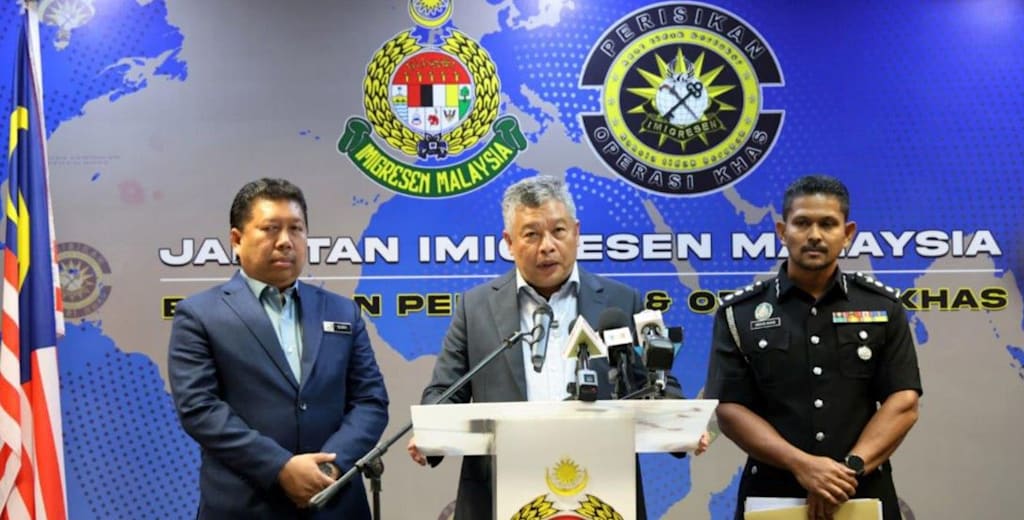
Malaysia’s Immigration Department is stepping up cooperation with other enforcement bodies to dismantle the so‑called “Ali Baba” business model, a long‑standing practice where foreign nationals operate businesses using licences registered under the names of local citizens. Immigration director‑general Datuk Zakaria Shaaban confirmed the effort during a press conference, responding to widely circulated social media videos that have drawn renewed public attention to the issue across Kuala Lumpur.
Defining the Scope of Enforcement
Zakaria was careful to clarify boundaries from the outset. Matters involving the issuance, ownership, and validity of business licences fall under the purview of other agencies, not the Immigration Department. That said, where these arrangements coincide with violations of the Immigration Act, such as foreigners working without valid permits, overstaying, or engaging in activities not covered by their visa status his department stands ready to act. “We will cooperate with other agencies to assist in carrying out operations, particularly to combat activities which violate immigration regulations,” he stated. This approach recognises that licence misuse and immigration breaches often occur together, requiring coordinated action rather than isolated enforcement.
Social Media Spotlight Fuels Action
The issue came to public attention through videos shared widely online, including footage showing an individual confronting operators at various business premises and questioning who legally owned the licences on which they traded. Accompanying text alleged that local citizens were being used as fronts, enabling foreign nationals, including those from China and India, to run enterprises in their own names. Such claims resonate deeply in a market where genuine local entrepreneurs often struggle to secure capital, licences, and premises, and where these arrangements are viewed as unfair competition and a breach of the law. Zakaria’s response signals that public concern is being taken seriously, even as investigations proceed systematically through official channels.
Public Partnership in Detection
Beyond enforcement operations, the director‑general is urging members of the public to come forward with what they know. Anyone with credible information on suspected “Ali Baba” activity is encouraged to file formal complaints with the department, providing details that can guide targeted inspections. This call reflects the reality that many such arrangements operate quietly, with nominal owners sometimes unaware of the full extent of how their name is being used, or reluctant to speak up for fear of repercussions or financial loss. Encouraging reliable, verified reporting is intended to build a clearer picture of where these practices are most prevalent and how they are structured.
A Broader Challenge of Compliance and Fairness
While the immediate focus is on immigration offences, the underlying issue touches on multiple layers of governance. The “Ali Baba” model undermines the intent of licensing frameworks designed to ensure that businesses are owned and managed by eligible, accountable residents. It can also disadvantage legitimate operators who follow the rules, pay the full cost of compliance, and hire and manage staff transparently. Addressing it fully requires not only catching those who break immigration laws but also strengthening oversight across the agencies that issue and renew licences ensuring that the responsibility for verifying genuine ownership is shared and consistent.
For now, the message from the Immigration Department is clear: enforcement will be collaborative, targeted, and guided by what the law allows. Licence validity remains the domain of other authorities, but the presence of foreigners working or managing businesses without proper authorisation is where the department will act. As public awareness grows, the hope is that greater scrutiny will not only identify specific cases but also send a broader signal that these arrangements carry real risks for everyone involved: the foreign nationals running the businesses, the locals whose names are lent, and the wider community that expects fair and transparent economic opportunity.
About the Creator
Mark Lim
Hi I am mark an automotive student and a car, tech and food enthusiast ! Im gonna try and post daily & hope you enjoy what I write and do share my page with people you know. I would gladly appreciate it! Cheers
Enjoyed the story? Support the Creator.
Subscribe for free to receive all their stories in your feed.
Comments
There are no comments for this story
Be the first to respond and start the conversation.