Vocal
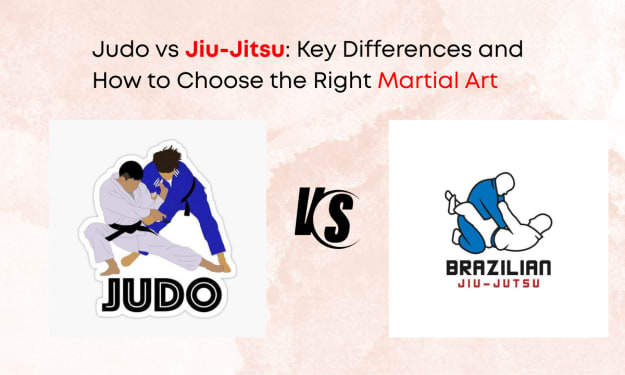
Judo vs Jiu-Jitsu: Key Differences and How to Choose the Right Martial Art. AI-Generated.
Picture this: you walk into a martial arts gym for the first time. On one side, people are being thrown clean over shoulders, landing with a heavy thud, only to bounce back up and bow respectfully. On the other, pairs are grappling on the mat, locked in chess-like struggles where one wrong move could mean submission. That’s Judo and Jiu-Jitsu, two arts born from the same roots yet branching into distinct paths.
By Angela R. Taylorabout a year ago in Journal
Ketamine-Assisted Psychotherapy: Key Benefits and Insights. AI-Generated.
For decades, therapy has often been a slow climb, valuable, yes, but at times painstaking. Then along came an unconventional key: ketamine. A medication once known mostly as an anesthetic is now stepping into the spotlight in the field of mental health. When combined with structured therapy, ketamine-assisted psychotherapy (KAP) is helping people break through emotional walls that felt unshakable.
By Adrienne D. Mullinsabout a year ago in Journal
The Future of Work: How Virtual Employees Drive Growth. AI-Generated.
Not long ago, the idea of working side-by-side with a colleague you had never met in person sounded strange, even impossible. Fast-forward to today, and it’s not only possible's but the norm for millions of businesses around the world. Remote work isn’t just a passing trend; it’s a structural shift in how we think about productivity, talent, and growth.
By Anjelina Jonesabout a year ago in Journal
Top 10 Business and Lifestyle Magazines in the World . AI-Generated.
Magazines have always played an important role in shaping how we see the world of business, leadership, and lifestyle. Even with the rise of social media and fast digital news, people still turn to trusted publications for thoughtful insights, inspiring stories, and expert advice.
By Kashif Khanabout a year ago in Journal
Inside a Fire Extinguisher: Main Parts and How They Work
Fire safety is something we often take for granted—until an emergency happens. One of the most effective tools for stopping a fire before it spreads is the fire extinguisher. Whether it’s at home, in your workplace, or in a public building, this simple-looking device can be the difference between a small incident and a life-threatening disaster. But what’s actually inside a fire extinguisher? How does it work? And why is regular maintenance so important? Let’s explore the key parts of a fire extinguisher and break down how they function together to put out fires. --- The Cylinder – The Core of the Extinguisher The cylinder is the main body of the fire extinguisher and holds the extinguishing agent. This part is usually made from durable steel or aluminum to withstand high pressure. Different extinguishers contain different agents, each designed for specific types of fire: Water extinguishers: Best for paper, wood, and cloth fires. Foam extinguishers: Useful for liquid fires, like oil or fuel. Dry chemical powder extinguishers: Effective for general fires, including flammable gases and electrical fires. Carbon dioxide (CO₂) extinguishers: Ideal for electrical fires, as CO₂ does not damage equipment. The choice of extinguisher depends on the environment. For example, offices often use CO₂ extinguishers, while kitchens may have foam or powder units. --- The Nozzle – Targeting the Flames The nozzle is where the extinguishing material comes out. Its design allows the user to direct the flow of the agent straight to the base of the fire, which is the most effective way to fight flames. Some extinguishers come with adjustable nozzles that control both spray direction and volume. This makes them easier to use in different situations, whether you need a wide spray for larger flames or a focused stream for a small spot fire. --- The Pressure Gauge – Is It Ready to Use? Not every extinguisher has a gauge, but most modern ones do. The pressure gauge is a small but crucial feature that shows if the extinguisher is ready for action. If the needle points to the green zone, the extinguisher is fully charged. If it points to the red zone, it either needs to be recharged or replaced. This quick check can save lives. A non-functional extinguisher in an emergency is as good as no extinguisher at all. --- The Pin and Seal – Safety First A pin and seal system prevents the extinguisher from being discharged accidentally. The pin locks the handle, so it can’t be pressed by mistake. The seal ensures that the extinguisher hasn’t been tampered with. When you’re ready to use the extinguisher, you simply pull the pin out before squeezing the handle. This design is simple but highly effective in maintaining safety. --- The Lever – How You Activate It The lever is the part you squeeze to release the extinguishing agent. When pressed, it opens a valve inside the extinguisher, allowing the pressurized material to shoot out through the nozzle. The force of your grip determines the spray pressure. A firm squeeze delivers a strong, steady flow, while a lighter press releases a smaller amount. This gives the user some control depending on the fire’s size. --- Fire Extinguisher Ratings – Decoding the Numbers Every extinguisher has a rating label like 2A:10B:C, but many people don’t understand what it means. Here’s a quick breakdown: A – Ordinary combustibles (wood, cloth, paper). B – Flammable liquids (oil, gasoline, paint). C – Electrical equipment (wiring, appliances, computers). The numbers show how effective the extinguisher is. For example, “2A” means it can put out a fire twice the size of what a “1A” extinguisher can handle. “10B” means it can handle 10 square feet of a flammable liquid fire. This rating system helps buyers choose the right extinguisher for their home, office, or workplace. --- Maintenance and Servicing – Keeping It Reliable Buying a fire extinguisher isn’t enough—you need to maintain it. Without care, it might fail when you need it most. Here are key steps: Monthly checks: Make sure the gauge is in the green zone and the pin/seal are intact. Annual servicing: A professional inspection ensures everything works properly. Recharging: If an extinguisher is used, even for just a second, it must be recharged immediately. Hydrostatic testing: This process checks whether the cylinder is still strong enough to handle pressure. It prevents accidents like cylinder rupture. Ignoring maintenance can make your extinguisher useless in an emergency. --- Frequently Asked Questions (FAQ) Q1: How often should I service my fire extinguisher? You should do quick monthly checks yourself and schedule a professional inspection once a year. Q2: What is hydrostatic testing? It’s a test that checks the strength and safety of the extinguisher cylinder by applying pressure. This ensures it won’t burst during use. Q3: How do I know if my extinguisher needs recharging? Check the gauge—if it’s in the red, recharge it. Also, if the extinguisher has been used even once, it needs recharging. Q4: Can I recharge my extinguisher at home? No. Always go to a licensed fire safety company for recharging and inspections. --- Final Thoughts A fire extinguisher might seem like a simple piece of equipment, but inside it’s a carefully designed system built for safety and efficiency. The cylinder, nozzle, gauge, pin, seal, and lever all play a role in making sure it works instantly when needed. Understanding these parts not only makes you more confident in using an extinguisher but also reminds you why regular maintenance is so important. After all, an extinguisher is not just a tool—it’s a lifesaving device. By keeping it ready and knowing how it works, you’re taking one of the smartest steps toward fire safety in your home, workplace, or anywhere you spend time. ---
By Muhammad Riazabout a year ago in Journal
How Insurance Transcripts Strengthen Defense in Claims Disputes
Picture yourself in a courtroom, witnessing a dispute between an insurance company and a policyholder. The case revolves around a fundamental question: Did the policyholder present an accurate version of the incident when filing their claim? As the argument escalates, the situation becomes more complex. Eyewitnesses provide conflicting testimonies, and neither party can establish a clear, uninterrupted timeline of events. This is where the significance of insurance transcripts becomes apparent.
By Beth Worthyabout a year ago in Journal
The Top Skills to Look for When Hiring Virtual Assistant. AI-Generated.
When business owners start looking for a Virtual Assistant, the first thought is usually about saving time. But finding the right fit is more than just someone who can check tasks off a list. The truth is, a skilled Virtual Assistant can become the backbone of your business operations, helping you manage workflows, communicate with clients, and even grow your brand.
By Michael Coplinabout a year ago in Journal
What is a Virtual Assistant? The Complete Guide for Businesses. AI-Generated.
Running a business is no easy feat. Between juggling emails, scheduling meetings, handling customer queries, and keeping operations smooth, the daily grind can feel overwhelming. That’s exactly where a Virtual Assistant steps in. Many businesses-whether small startups or established enterprises-are now turning to virtual support to cut down stress, boost efficiency, and save costs. But what exactly is a Virtual Assistant, and how can hiring one transform your business? Let’s break it down.
By Anil Rawatabout a year ago in Journal
POWERBALL Winners
The Powerball is one of the most famous lottery games in the United States. Millions of people play it three times a week, hoping to win life-changing money. The draw that took place on September 3 was one of the most talked-about events. Players from many states bought tickets, waited for the results, and dreamed of hitting the jackpot.
By Ilsa Sophiaabout a year ago in Journal