travel
The best travel locations for vacations or workplace locations around the country and the world.
Top 5 Hill Stations in India You must Explore
When the plains start to feel too loud, too hot, or just too crowded, the hills call out like an old friend. And India, with its breathtaking diversity of landscapes, offers some of the most stunning hill stations on the planet. Think cloud-wrapped cliffs, pine-scented air, and sleepy towns where time takes a backseat.
By Elena Vernaabout a year ago in Journal
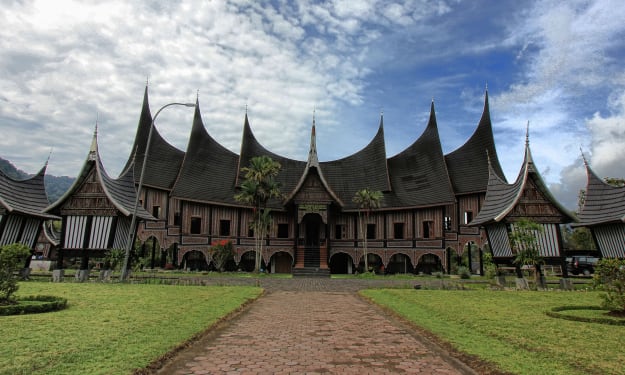
Padang: A Culinary and Cultural Adventure in West Sumatra
Nestled on the west coast of Sumatra, Padang, the capital of West Sumatra, is a city that tantalizes the senses. Renowned globally for its distinctive and incredibly flavorful cuisine, Padang offers much more than just a gastronomic journey. It's a vibrant hub where rich Minangkabau culture, stunning natural beauty, and warm hospitality converge, promising an unforgettable travel experience.
By Restu Marlaniabout a year ago in Journal
Why Sole Traders Must Priorities Self Assessment Tax Returns
In the realm of small business and entrepreneurship, sole traders form the backbone of the UK economy. Whether operating as a freelance graphic designer, a local tradesperson, or a digital content creator, being a sole trader brings both independence and responsibility. Chief among these responsibilities is the legal obligation to submit a Self Assessment Tax Return annually.
By Self Assessment Tax Returnabout a year ago in Journal
Airalo Reddit User Experiences and Reviews
Quick Summary: Airalo offers eSIMs for international data, providing a convenient alternative to roaming. This post explores user feedback, pricing, and the overall Airalo experience, drawing insights from online discussions and reviews.
By Ann D. Burchabout a year ago in Journal
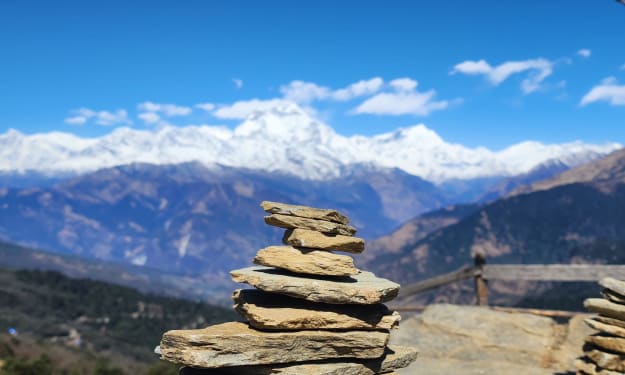
What to Pack for Poon Hill Trek?
Poon Hill Trek: Overview Poon Hill Trek is one of the most favorite short treks in Nepal. It is renowned for spectacular sunrise views of the Annapurna and Dhaulagiri ranges. The trek starts at Nayapul, which is at an elevation of around 1,070 meters above sea level. Also, the Poon Hill Trek can be started at Ulleri during dry seasons ( Winter, Autumn and Spring). Actually, Pokhara to Ulleri Jeep ride takes 2-3 hours. From there, the route winds through forests, terraced fields, and villages. Trekkers walk past Gurung and Magar villages during the trek, giving a glimpse of the local people's lifestyle and culture.
By Haven Holidaysabout a year ago in Journal
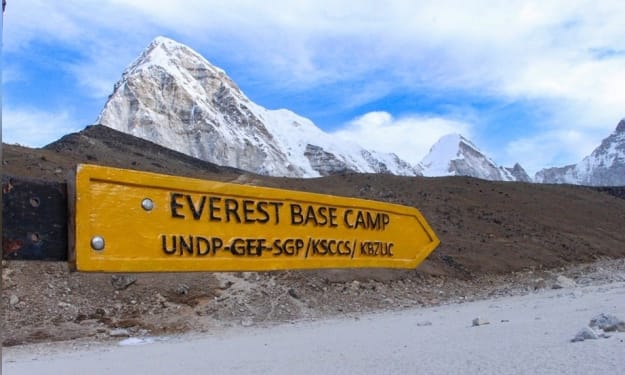
What to Pack for Everest Base Camp Trek?
Everest Base Camp Trek: Introduction The most famous high-altitude trek in Nepal is the Everest Base Camp (EBC) Trek. Generally, It is initiated by a scenic flight to Lukla at 2,860 meters. During peak seasons ( Autumn and Spring), you will drive to Manthali and then fly to Lukla. The trek then continues from there via Phakding and to Namche Bazaar at 3,440 meters. The Sherpa village is the trading hub of the Khumbu region. Then, trekkers visit Tengboche, Dingboche, and Lobuche. The trek ends at Everest Base Camp, 5,364 meters above sea level.
By Haven Holidaysabout a year ago in Journal
Plane Accident at 17,000 Feet
In the world of aviation, few incidents are as terrifying — or as miraculous — as what occurred aboard British Airways Flight 5390. On June 10, 1990, a routine flight from Birmingham, England, to Málaga, Spain, turned into a heart-stopping ordeal when the aircraft’s cockpit window suddenly blew out at 17,300 feet. The resulting decompression violently sucked the pilot halfway out of the aircraft, leaving him clinging to life — quite literally — as a flight attendant held on to his legs for over 20 minutes while the co-pilot fought to land the plane safely. The aircraft, a BAC One-Eleven, had taken off normally, with Captain Tim Lancaster at the controls and First Officer Alastair Atchison beside him. The weather was clear, the passengers were calm, and there were no indications of trouble ahead. But approximately 13 minutes into the flight, a loud bang shattered the routine. The left windshield panel of the cockpit suddenly separated from the aircraft. In an instant, the cockpit experienced explosive decompression. Captain Lancaster, who had just removed his shoulder harness, was pulled out of his seat by the force of the rushing air and partially ejected through the hole where the windshield had been. His body slammed against the exterior of the aircraft, pinned by the powerful air pressure. His feet caught on the flight controls, and his torso was bent backward, exposed to the freezing winds at 17,000 feet. Chaos erupted in the cockpit. Loose papers and objects were flying around, alarms were blaring, and communication was impossible due to the deafening wind. But amidst the panic, First Officer Atchison reacted with incredible composure. He immediately took control of the aircraft, disengaged the autopilot, and began an emergency descent to a lower altitude where the air pressure was higher and the temperature less brutal. Flight attendant Nigel Ogden, who had just entered the cockpit moments before the incident, saw the captain’s body being sucked out and, without hesitation, lunged forward to grab his legs. Ogden held on with all his strength, even as the freezing air numbed his hands and the captain’s body battered the fuselage. Another crew member helped secure Lancaster’s legs to the cockpit controls using seat belts, desperately trying to keep him from being lost entirely. Atchison, flying alone under immense pressure, communicated with air traffic control and diverted the flight to Southampton Airport. The situation was critical. The aircraft was descending fast, the captain’s condition was unknown, and there was no guarantee they could keep him from slipping out completely. Yet the cabin crew and co-pilot worked together with astonishing courage and efficiency. For nearly 20 minutes, Lancaster remained stuck in the cockpit window, unconscious and exposed to violent winds and sub-zero temperatures. The pressure had caused his eyes to bulge and his body to turn blue. Most assumed he was already dead. Still, the crew refused to let go. Amazingly, when the plane finally landed safely in Southampton, emergency services rushed aboard expecting to retrieve a corpse. Instead, they found Captain Tim Lancaster alive. He had suffered frostbite, multiple fractures to his arms and hands, and severe bruising — but he survived. After a lengthy recovery, he returned to flying commercial aircraft. The investigation that followed revealed that the accident had been caused by human error during maintenance. The bolts used to secure the windshield had been too short and of the wrong diameter. As a result, the pressure differential at altitude caused the panel to blow out. The incident led to a major review of aircraft maintenance procedures and highlighted the critical importance of attention to detail in aviation engineering. This incredible survival story is often cited as an example of how professionalism, training, and sheer human determination can overcome even the most horrifying of scenarios. The cabin crew’s refusal to let go of their captain, despite thinking he was already dead, exemplifies the kind of selfless courage that often goes unnoticed in daily life. Atchison’s calm under pressure was instrumental in saving not only the life of the captain but also all 81 people on board. British Airways Flight 5390 is more than a story of a freak accident. It is a testament to human resilience, quick thinking, and the strength of teamwork in the face of overwhelming odds. The haunting image of a man hanging halfway out of a jet at 17,000 feet, kept alive by the grip of his colleagues, continues to captivate and inspire those who hear it. More than three decades later, the incident remains one of the most extraordinary and improbable survival stories in the history of flight — a reminder that even when the sky seems to fall apart, bravery can keep us grounded.
By DigitalAddiabout a year ago in Journal
How to Get from Denpasar Airport to Canggu: Complete 2025 Travel Guide
Bali has become a must-visit destination for travelers from around the globe, and Canggu has emerged as one of its trendiest spots. If you’re flying into Bali, your journey will begin at Ngurah Rai International Airport, commonly known as Denpasar Airport (DPS). From there, getting to Canggu is your next step. Whether you're a first-time visitor or a seasoned Bali traveler, understanding your transport options will help ensure a smooth arrival. In this complete 2025 guide, we’ll explore all the ways to get from Denpasar Airport to Canggu—from taxis and ride-shares to private transfers and budget-friendly alternatives.
By Intui Travelabout a year ago in Journal
What to Pack for Annapurna Base Camp Trek?
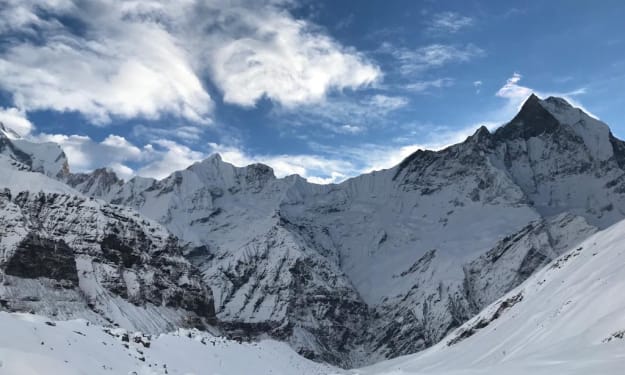
What to Pack for Annapurna Base Camp Trek? Annapurna Base Camp Trek: OverviewAnnapurna Base Camp Trek elevates to 4,130 meters, Annapurna Base Camp, in central Nepal near Pokhara city. Actually, Annapurna Base Camp Trek (ABC) is recognized for its breathtaking Himalayan views of summits like Annapurna I (8,091m), Machapuchare (6,993m), and Hiunchuli (6,441m). The trek traverses dense woods, stone steps, and traditional Gurung settlements located in Annapurna Conservation Area. The trek blends adventure, culture, and nature into one trail.Meanwhile, the ABC trek usually begins at Nayapul (1,070m) or Ghandruk (1,940m) or Ulleri or Jhino Danda. Most trekkers complete the trek in 7 to 11 days. The path rises steadily, passing through villages like Chhomrong, Dovan, and Deurali. Trekkers overnight at teahouses that serve hot food and basic rooms. You walk along Modi Khola, cross suspension bridges, and walk through rhododendron forests and waterfalls. In fact, it takes 9-11 days if you are doing Annapurna Base Camp via Poon Hill.Actually, Spring (March to May) and autumn (September to November) are best seasons for Annapurna Base Camp Trek. The skies are clear and views are sharp at these times. Winter (December to February) is cold and snowy at base camp. Monsoon (June to August) is wet, with landslides and slippery trails. However, the lower trails are green and lush during monsoon.Moreover, the Annapurna Base Camp trek entails moderate physical condition. Steep uphill and downhill climbs test your endurance. Technical mountaineering is not needed, but sensitivity to the altitude is a must. Acclimatization days and slow walking avert mountain sickness. Most trekkers hire guides or porters, but independent ABC trekking is manageable.In summary, Annapurna Base Camp Trek is a classic Himalayan Trekking route. It’s accessible, scenic, and rewarding from Pokhara and Kathmandu. You’ll experience diverse landscapes, warm hospitality, and epic mountain views. With good preparation, it’s suitable for beginners and experienced trekkers alike.What to Pack for Annapurna Base Camp Trek? Packing the right gear for the Annapurna Base Camp Trek (4,130m) is crucial. Actually, the path traverses a number of climate zones. Therefore, prepare yourself for heat as well as cold. Use the layering system in order to accommodate changing temperatures.First, begin with moisture-wicking base layers. They prevent you from getting wet on treks. For mid-layer warmth, add a wool or fleece sweater. A down jacket is a must above 3,000m, particularly at night. Include a rainproof and windproof outer shell as well. Weather changes rapidly, so remain prepared for rain or snow.Likewise, for bottoms, carry trekking trousers and a thermal set. Convertible trousers prove useful on sunny days. Waterproof trousers to be used in case of rainy days are necessary. Three to four pairs of socks—wool or synthetic—are best for avoiding blisters.Meanwhile, reliable and conformable footwear matters a lot during Annapurna Base Camp Trek. Use high-ankle trekking shoes with good grip. Break them before the trek. Carry sandals or light shoes for evening wear. Carry gloves, warm hat, sun cap, and sunglasses as well.More importantly, don't forget to pack personal belongings for Annapurna Base Camp Trek. A water bottle, purification tablets for water, sunscreen, lip balm, and headlamp are required. Pack a limited first aid kit, toiletries, and small towel. Use dry bags or packing cubes to pack clothing. Store electronics in water-proof containers while packing for Annapurna Base Camp Trek.Additionally, snacks like energy bars, nuts, and chocolates give quick energy. Carry your passport, permits, and some Nepali rupees in small denominations. Finally, keep your total pack weight under 10kg if possible.In conclusion, packing smart improves your Annapurna Base Camp trek. You’ll stay comfortable, dry, and prepared for all weather.What to pack for Annapurna Base Camp Trek in Autumn?Actually, Autumn, September to November, is the best time for Annapurna Base Camp Trek (4,130m). Weather remains stable, clear skies, and a wonderful view of the mountains during Autumn months. Mornings and evenings may be cold, especially at higher altitudes. Hence, packing well for autumn for ABC Trek is vital.First, start with warm base layers in the form of thermal tops and bottoms. Add to this a mid-layer fleece or woolen sweater to provide extra warmth. A good down jacket is warranted on cold nights. Because temperatures near Annapurna base camp sometimes drop below freezing. Windproof and waterproof outer shells protect you from cold winds and intermittent rain.Second, wear airy trekking shirts and quick-dry trekking pants during the day for Annapurna Base Camp Trek in Autumn. These maintain body warmth when the sun is out. Convertible pants might be helpful for warmer middle-of-the-day hikes. Pack a rain jacket as an emergency measure, though rain during autumn is less frequent.Moreover, for footwear, good waterproof trekking boots with ankle support are the best. The trails may be slippery with dew or frost in the mornings. Bring a couple of pairs of wool or artificial socks to dry out and keep feet warm.Also, don't forget warm gloves, a beanie, and a neck gaiter. Sunglasses and sunscreen also guard against strong UV light at higher elevations. Pack a headlamp with extra batteries for early morning and late evening.More importantly, layering is the most crucial in autumn. Pack clothing that keeps you warm but is ventilated. Preparing for temperature swings will make your hike safer and more enjoyable.What to Pack for Annapurna Base Camp Trek in Spring? Spring, March to May, is second most beautiful season for the Annapurna Base Camp Trek (4,130m). Rhododendron woods are painted with vibrant flowers. Weather gets warmer but continues to be cold at higher elevations. Hence, packing in advance for unpredictable weather is necessary.First, start with lightweight moisture-wicking base layers for warm daytime activity. Add a fleece or wool sweater for extra warmth in the morning and evening. For colder nights at high altitudes above 3,000 meters, a down jacket will come in handy. Windproof and water-resistant outerwear shields from spring rain showers and chilly winds.Second, wear trekking shirts and pants that are quick-drying. Convertible pants are ideal to cope with temperature changes. Carry sun hat and high-strength sunscreen since UV rays become stronger at altitude. Sunglasses that protect against UV reduce sun and snow glare.Third, shoes should be waterproof, ankle-braced hiking boots for ABC Trek in Spring. Trails may get sloppy when it rains, so wear gaiters to exclude mud from your boots. Bring at least three pairs of wool or synthetic socks to keep feet warm and dry.Also, don't forget rain gear—a waterproof jacket and backpack cover—to keep dry in unexpected showers. Trekking poles are useful on steep or slippery ground. Use reusable water bottles and purification tablets to stay hydrated.Additionally, bring a headlamp, power bank, and small first aid kit. Snacks like nuts and energy bars are good for instant energy bursts.Briefly, Annapurna Base Camp Trek in spring needs adaptive gear for safe and exciting trek. Layering allows you to adjust to changing weather. Pack well so that you can have fun with flowering valleys and see-through mountain views.Here, Haven Holidays Team suggests you prepare for springtime snow fall during Annapurna Base Camp Trek in April.What to Pack for Annapurna Base Camp Trek in Winter? Winter, December through February, is chilly and quiet on the Annapurna Base Camp Trek (4,130m). During Annapurna Base Camp Trek in Winter, steep trails are covered with snow, and temperatures can drop below -10°C at base camp. Good warm apparel is required for protection and comfort.Foremost, start with thermal base layers for bottom and top. Add a wool or thick fleece sweater as mid-layer. A decent down jacket for insulation, especially during nights is a must for ABC Trek in Winter. Insulated gloves, a warm hat, and a neck gaiter or scarf to protect your face from cold winds are to be brought.Likewise, outer, windproof, waterproof layers are a must for Annapurna Base Camp Trek in winter. Trails can biting and icy, so go with good, waterproof, aggressive-tread trekking boots. Snow and ice get in your boots, but gaiters keep it out. Microspikes or crampons will do nicely if it gets icy during your ABC Trek in December, January and February.Similarly, carry a sleeping bag with a rating of at least -15°C, as there is no heating in some teahouses. Hand warmers can provide extra warmth on freezing days. Carry a thermos to keep a hot drink.Actually, the winter days are shorter, so carry a good headlamp with extra batteries. Trekking poles are helpful for balance on snowy or icy terrain. Insulate water bottles to prevent freezing.Also, pack sunscreen and UV-blocking sunglasses because snow bounces powerful sunlight. A typical first aid kit and altitude sickness medication are a must.In fact, Annapurna Base Camp Trek in winter, in short, involves serious preparation. Insulated, layered gear and safety gear keep you comfortable and safe. Well-prepared, a winter ABC trek offers incredible solitude and awe-inspiring snowy vistas.Trekking requires preparation. Insulated, layered gear keeps you safe. Carry high-energy food and essential navigation tools. Check weather conditions to avoid emergencies. Enroll in a first-aid course and communicate your ABC Trek itinerary. Acclimatize to high altitudes to prevent sickness. With proper planning, every trek can be a memorable adventure.What to Pack for Annapurna Base Camp Trek during Rainy Season?Heavy monsoon rain during June to early September falls on the Annapurna Base Camp Trek (4,130m). Trails during rainy months are muddy and slippery. Leeches may appear at lower elevations. Good waterproof gear and careful packing must be done in order to stay dry and comfortable.First, start with a good-quality, ventilated rain jacket that has a hood. Waterproof pants are equally important to maintain your lower extremities dry. Use a rain cover over your backpack so that your equipment does not get wet. Pack clothes in dry bags or waterproof stuff sacks to protect against water damage.More importantly, choose quick-drying moisture-wicking base layers and trekking tops. Avoid cotton, which retains moisture and causes blisters. Pack some wool or synthetic socks so that your feet remain dry. Waterproof walking shoes with an effective tread are essential for slippery trails. Gaiters can be very useful to prevent mud and leeches from entering your shoes.Also, carry a large-brimmed rain hat or poncho for extra cover. A little towel and dry microfiber cloth help with sweat and rain management. Insect repellent is taken to keep mosquitoes and leeches at bay.More importantly, staying hydrated matters a lot, so refillable water bottles and purification tablets are carried. A headlamp is handy due to shorter daytimes and cloudy conditions. Snacks and a basic first aid kit are also carried.Briefly, Annapurna Base Camp Trek in monsoon requires good rain protection, moisture control, and good foot care. Staying dry reduces the risk of illness and enhances comfort. With smart packing, the green scenery and thinner tourists of the monsoon months can be enjoyed nevertheless.How to pack for Annapurna Base Camp Trek?Packing for Annapurna Base Camp Trek (4,130m) is a prerequisite and requires preparation. For maximum use of the trek, pack with comfort and climate thought. Use the layering method for clothes to adapt with changing temperatures.First, start with a light and roomy 40 to 50-liter backpack. It is large enough to carry all the essentials but not so heavy. Use packing cubes or dry bags to organize clothes, electronics, and toiletries. Keep items like passport, permits, and cash in an easily accessible pocket.Likewise, distribute the weight evenly in the bag while packing for Annapurna Base Camp Trek. Place heavier items closer to your back and in the middle for balance. Pack clothes in layers: base layers, mid, and outer layers. Roll clothes to save space and reduce wrinkles.Similarly, use rain cover on your backpack and dry bags for electronics and paper documents. Cover your gear from rain or spilled liquid. Carry a daypack for daily essentials like water, food, camera, and summit warm clothesMore importantly, keep your total pack weight under 10kg, excluding food and water. Heavy packs tire and hurt you. If possible, hire a porter to carry much of your load. That is more comfortable for walking.Most importantly, test your packed backpack at real walking/hiking before the trek. Readjust straps and weight for comfort. Check that boots and clothes fit perfectly. Remember to pack only necessities to make your trek comfortable.In summary, organized packing and fitting backpack properly make your Annapurna Base Camp Trek safer and more comfortable. Follow beautiful tips for packing and make your ABC Trek safer and memorable.How much load does a porter carry in Annapurna Base Camp Trek?Porters are important part of the Annapurna Base Camp Trek (4,130m). Porters need to carry heavy loads so that the trekkers can trek light and enjoy the trek more. But how much weight does a porter carry? This will be a common question among the trekkers who are doing/planning Annapurna Base Camp Trek.Typically, a porter will carry 20 to 25 kilograms (44 to 55 pounds) during Annapurna Base Camp Trek. This includes your backpack, sleeping bag, extra clothes, food, and other gear. But this can differ with the physical fitness of the porter, his experience, and company policy. Few porters may carry a little more or a little less. Actually, we entire team of Haven Holidays regard porters as king of Annapurna Base Camp Trek and we never exploit them. Here, we request our guests do the same. They are also humans, aren’t they?Moreover, porters have accustomed themselves to high-altitude trekking and rugged terrain. They often carry loads up and down slope, sometimes over long distances and bad tracks. Because of this, it is worth taking their work seriously and making their loads reasonable.In order to make the porters safe during Annapurna Base Camp Trek, it is advisable to pack your stuff compactly. Don't overpack and carry heavy stuff near your back. Utilize compression bags to compress your bulk. Additionally, take note of the weight of your electronics and toiletries.In fact, you can take the porter only if you want but it is strongly recommended hiring porter for comfort and safety. All trekking agencies have trained and insured professional porters. Porter for Annapurna Base Camp Trek charges about $15 to $20 per day, depending on tips.In conclusion, porters carry 20 to 25 kg on Annapurna Base Camp Trek. The porter and you will have a good time if you treat them nicely and pack reasonably to share the load equally.What is the ideal backpack size for Annapurna Base Camp Trek? You need to be choosy about the proper backpack size while doing Annapurna Base Camp Trek (4,130m). You must have sufficient space for your gear but not so big that it becomes cumbersome and unwieldy.In fact, you can go with a 40- to 50-liter pack for your Annapurna Base Camp Trek. Everything that you will need like clothing, sleeping bag, rain gear, and other personal items can fit in it. It also has room for bringing food and extra layers on cold days. Larger packs will have you packing more and that will slow you down.If you choose hiring a porter, you can carry a daypack of 20 to 30 liters not exceeding than 7-10 kgs. The daypack has water, snack, camera, warm fleece, and other essentials for the day. The rest will be carried by the porter.Meanwhile, search and get the backpacks with adjustable straps, padded hip belts, and ventilation. These ensure more comfortable long trekking days. Make sure the backpack is fitted to your torso size.Moreover, pack your backpack using dry bags or packing cubes. Load the heavier contents close to your back in order to be balanced. Enclose your belongings using waterproof covers or rain sacks to prevent them from getting rainy and dusty.More importantly, try out your loaded backpack on some training hikes prior to the trek. Tighten the straps so as not to exert pressure points and discomfort.All in all, a 40-50 liter daypack will do to carry all the essentials for the Annapurna Base Camp Trek. When hiring a porter, a 20-30 liter daypack will do for daily use. Fitting well and planning ahead while packing make trekking easier by making it more comfortable and enjoyable.How much weight can I carry during Annapurna Base Camp Trek?In fact, hiring proper to carry at the Annapurna Base Camp Trek (4,130m) is of utmost importance for safety and comfort. The ideal backpack weight relies on your trekking style and physical fitness.Overall, your backpack should not weigh more than 10 kilograms (22 pounds) during Annapurna Base Camp Trek. With more weight, you might feel exhausted, with aching joints, and at greater risk of being injured. A lighter pack allows you to move faster and enjoy the trek more.But, if you hire a porter, you can carry only 5 to 7 kilograms in a daypack during Annapurna Base Camp Trek. This may include water, snacks, camera, rain gear, and a warm jacket. The porter will carry the heavier items, i.e., your sleeping bag and extra clothes.More importantly, in order to have light packs, pack only the necessary items during your Annapurna Base Camp Trek. Choose multi-purpose items and avoid duplications. For example, wear a windproof jacket that is also warm. Keep toiletries in travel cases. Pack high-energy low-weight snacks like nuts and energy bars.In fact, make sure your rucksack is properly fitted and not cumbersome. Tighten the shoulder straps, hip belt, and chest strap to distribute the load evenly. Rest your back and shoulders with regular breaks during the trek.Al in all, carrying less than 10 kg in your backpack is ideal for the Annapurna Base Camp Trek. A porter decreases your load significantly. Smart packing and the use of proper equipment make the trek safer and more comfortable.Is it necessary to hire a porter for Annapurna Base Camp Trek? Hiring a porter for the Annapurna Base Camp Trek (4,130m) is not mandatory but highly recommended by Haven Holidays Team for many trekkers. A porter can carry heavy bags, which makes your trek easier and more enjoyable.Actually, most trekkers pack their own rucksacks, but loads of over 10 kilograms can result in fatigue, muscle aching, and sluggish travel. With a porter, walking lightly with daypack only, reduces physical discomfort.Moreover, porters are experienced, professional and know the trails better. They traverse rough ground and steep slopes carrying heavy loads. This enables you to focus on trekking, photography, and scene appreciation. Porters can assist in emergencies as well as share local tips.Meanwhile, having porters during your Annapurna Base Camp Trek also helps local livelihoods and is beneficial to the community. However, one should employ porters ethically via good trekking agencies. They should be well-paid, provided with good equipment, and not overloaded.Here, porter charges for Annapurna Base Camp Trek typically ranging from $15 to $20 per day, plus tips. Porter charges are sometimes covered by package tours by some tour agencies. Tipping is provided as a tip, about 10-15% of the charge.Additionally, if you are physically fit, want to carry your gear, and want to save money, you can do ABC trek without a porter. However, if comfort, safety, and protection from harm are your concerns, it is better to hire a porter.In brief, it is not obligatory to hire a porter but really adds value to your Annapurna Base Camp Trek experience. It reduces your burden and supports local workers. Consider your physical fitness, budget, and taste when you make the decision.30 Must-Have Packlist for Annapurna Base Camp TrekBackpack (40–50L) – Holds all your gear with no fuss.Daypack (20–30L) – For carrying daily essentials during trek days.Down jacket – Keeps you warm on chilly high-altitude nights.Thermal base layers – Preserves body heat in cold.Fleece jacket – Great mid-layer for warmth.Waterproof jacket and pants – Protects you from rain and wind.Trekking boots – Ankle protection and grip on rough terrain.Sandals or camp shoes – Comfortable shoes for evening.Hiking socks (3–4 pairs) – Wool or synthetic to avoid blisters.Gloves – Keep fingers warm in cold weather.Warm hat/beanie – Protects your head from cold winds.Sun hat or cap – Protects from harsh sun at high elevation.Sunglasses (UV protection) – Protects eyes from snow glare and UV rays.Sleeping bag (rated -10°C or lower) – Cold-weather insulation for nights spent in teahouses. Trekking poles – Help with balance and reduce knee strain on steep ground. Headlamp with spare batteries – For early morning departures and late afternoon arrivals. Water bottles (2L capacity total) – Stay hydrated on long hikes. Water purification tablets or filter – Drink safe water. Snacks (nuts, energy bars, chocolate) – Between-meal energy boost.First aid kit – For first-aid on minor injuries and for altitude sickness medication.Sunscreen (SPF 50+) – Protect skin against strong sun exposure.Lip balm (with SPF) – Prevent chapped lips.Toiletries (toothbrush, toothpaste, wet wipes) – Personal cleanliness along the trail.Quick-dry towel – Easy to wash and dry with.Camera or smartphone – Capture the stunning views.Power bank and charging cables – Maintain charged electronics.Passport and permits – Required for trekking permits and identification.Nepali Rupees – For small purchases, tips, and teahouse bills.Zip-lock or dry bags – Protect clothes and electronics from wet conditions.Trash bags – Bag your rubbish to carry out leaving trails clean.Here, if you want a more comprehensive packing list for Annapurna Base Camp Trek, visit us at Trekking Equipment Checklist published in our website. It will definitely help you pack right and all necessary items for your ABC Trek.Suggested blog post related to Poon Hill and Annapurna region1. Annapurna Base Camp Jeep Ride2. How difficult is Annapurna Base Camp Trek?3. Where is the best view of Annapurna range? 4. Annapurna Base Camp Trek vs Everest Base Camp Trek5. Annapurna Base Camp Trek in Winter6. Annapurna Base Camp Trek in Spring7. Annapurna Base Camp Trek in April8. Mardi Himal Vs ABC9. 50 Facts about Annapurna Base Camp Trek10. Annapurna Base Camp Trek in May11. Annapurna Base Camp Trek in November12. Annapurna Base Camp Trek in October13. Annapurna Base Camp Trek in April from Kathmandu14. Annapurna Base Camp Trek in September 15. Annapurna Base Camp Trek in Autumn16. Manaslu Circuit Trek vs Annapurna Circuit Trek 17. Best Time for Annapurna Circuit Trek18. Annapurna Base Camp Trek from Pokhara19. How to Prevent Altitude Sickness on Annapurna Base Camp Trek?20. How do I go to Annapurna Base Camp from Pokhara?21. How long is the trek to Annapurna Base Camp?22. Foods on Annapurna Base Camp Trek: What's On the Menu? 23. Accommodation on Annapurna Base Camp Trek24. Annapurna Circuit Trek in Autumn25. Best Time for Annapurna Base Camp Trek26. Mardi himal vs Poon hill27. Mardi Himal Trek in November 28 .Poon Hill Trek Itinerary: 3, 4 and 5 Days29. Accommodation Facility on Poon Hill Trek30. Hot Shower and Laundry on Poon Hill Trek31. Food and Drinks on Poon Hill Trek32. Poon Hill Trek Permits33. Annapurna Base Camp Trek Permits 34. Preparation for Poon Hill Trek35. Annapurna Base Camp Trek Cost: GuideFinal Words
By Haven Holidaysabout a year ago in Journal
Hot Shower and Laundry on Annapurna Base Camp Trek
Annapurna Base Camp Trek: Overview Annapurna Base Camp (ABC) Trek takes you to an elevation of 4,130 meters, Annapurna Base Camp. It offers beautiful scenery of mountains like Annapurna South (7,219m) and Machhapuchhre (6,993m). The trek can be accomplished in 7 to 10 days by going through thick rhododendron forests and scenic Gurung villages.
By Haven Holidaysabout a year ago in Journal