product review
Product reviews and how-to's about the best workplace products for the office.
How Intex Pools Turn Neighborhoods Into Summer Clubs
The sound of splashing carries across fences. Kids gather without needing an invite. Adults trade yard chairs for lounge floats. A simple pool can shift an entire block into something that feels like a private summer club.
By Archived Userabout a year ago in Journal
Amazon Doesn’t Want You to Know This Free KDP Promotion Trick
The Pain No One Talks About 📉 Let me start with a confession. When I first published my e-books on Amazon KDP, I thought the hard part was done. I spent weeks writing, formatting, fixing typos, designing the cover, and finally hitting that glorious “Publish” button.
By Awais Qarni about a year ago in Journal
The AI Bubble Exposed: MIT Study Reveals Why 95% of Generative AI Projects Fail
The latest MIT study has sent shockwaves through the technology sector, uncovering hard evidence of what skeptics have long feared: the spectacular hype around generative AI is fueling an unsustainable AI bubble, with 95% of enterprise projects failing to deliver real business value. For companies, investors, and the broader market, this revelation could be the clearest warning yet that the sector is at risk of repeating the tech bubble mistakes of the past.
By Reframerootsabout a year ago in Journal
Gym Ab Machine Game-Changer: The At-Home Fix That Ended My Core Pain and Guesswork
Gym Ab Machine Game-Changer: The At-Home Fix That Ended My Core Pain and Guesswork I didn’t buy my first gym ab machine because I wanted a six-pack. I bought it because my neck hurt, my lower back complained after every “abs day,” and I was tired of doing 200 crunches and seeing nothing change. Like most people, I assumed more reps meant more results. Spoiler: it meant more discomfort and more quitting.
By Tamer salehabout a year ago in Journal
The Difference Between Saving in a Bank and Keeping Cash at Home
he Difference Between Saving in a Bank and Keeping Cash at Home Ali was seventeen when his uncle handed him an envelope with two hundred dollars inside. His uncle said, “This is yours. Do not waste it.” Ali felt proud. For the first time, he had money that belonged only to him. He faced a choice. Should he put the money in a bank, or should he keep it in his desk drawer? At first, the desk felt easier. He could see the money whenever he wanted. He could touch it. But he also felt uneasy. What if someone opened the drawer? What if he lost it? That small moment led Ali to learn the difference between saving in a bank and keeping cash at home. His story shows why the choice matters. Keeping Cash at Home Ali’s friend Karim always kept his money in a shoebox under his bed. He said it was safer because he did not trust banks. Karim explained that his parents once had problems with fees and lost money to charges they did not understand. For him, the shoebox was simple. At first, Ali thought Karim’s method had benefits: No paperwork. Money always within reach. No waiting in line or learning about accounts. But over time, Ali noticed the problems too. Karim’s younger brother once borrowed twenty dollars from the box without asking. Another time, their house lost power for three days during a storm, and Karim worried someone might break in when it was dark. Most of all, Ali realized that Karim’s money never grew. It stayed the same amount every month, unless he added more. Keeping cash at home protects you from bank fees, but it also keeps your money frozen. It does not earn interest. It can be stolen, lost in a fire, or even forgotten. Saving in a Bank Ali decided to open a savings account with his uncle’s help. At the bank, a worker explained how the account functioned. Ali’s money would stay safe. The bank recorded every deposit. The government insured deposits up to a limit, which meant that even if the bank failed, his money would still be protected. Ali noticed several advantages: His money earned interest. Even if the rate was small, it was more than zero. The bank gave him a record of his balance. He always knew how much he had. He could not spend it impulsively because it was not lying in his drawer. He built a financial history. Later, this would help him if he wanted a loan. The downsides were real as well. Sometimes banks charged fees if the balance dropped too low. Withdrawals were not instant if he needed cash late at night. But the benefits outweighed the problems. The Real Difference The difference between saving in a bank and keeping cash at home is not only about safety. It is about growth and discipline. Cash at home gives you access but no growth. It makes you feel in control, but it also tempts you to spend quickly. In Ali’s case, when he kept twenty dollars in his drawer, he often used it for snacks or games. He saw it as “extra.” Money in the bank feels less like pocket change and more like a step toward a goal. Ali saved for a laptop. Each time he deposited part of his paycheck, the balance grew. Seeing that number climb gave him motivation. After six months, he bought the laptop with money that stayed safe until he needed it. Why This Matters In many cultures, people still keep savings at home. They trust what they see. But the risks are high. Fires, floods, or theft erase everything instantly. A study by the Federal Reserve showed that in the United States, households with no bank account spend more on services like check-cashing or money orders. This reduces the value of their money over time. Banks, even with their flaws, provide a secure system. They allow your money to work for you. Even small interest, combined with habits of saving, leads to long-term growth. Ali’s Lesson One year later, Ali had over one thousand dollars in his bank account. He also still kept some cash at home, about fifty dollars, for emergencies. That balance felt right. The cash helped in quick situations, but the bank savings gave him peace of mind. Ali told Karim, “Keeping all your money in a shoebox is like planting seeds on a stone. They stay there, but they never grow. A bank is like putting the seeds in soil. Even if they grow slowly, at least they grow.” Karim thought about it. A few weeks later, he asked Ali to help him open his own account. Final Thought The difference between saving in a bank and keeping cash at home is about risk and reward. Cash at home gives access, but no protection or growth. A bank account adds structure, safety, and the chance to build a future. Ali’s choice showed that saving is not only about storing money. It is about using money in a way that protects it and prepares you for what comes next.
By Straylightabout a year ago in Journal
What Do You Really Need to Make Money Online? (Hint: It's Way Simpler Than You Think)
Making money online seems complicated, doesn't it? Everyone's telling you that you need the perfect funnel, seventeen different software tools, a professional website, social media presence on twelve platforms, and a marketing budget bigger than a small country's GDP.
By Ms. Phillipsabout a year ago in Journal
How to Get Traffic to Your Website: The Brutally Honest Guide Nobody Talks About
Getting website traffic feels impossible these days, doesn't it? You've probably tried every "guaranteed" method out there - SEO tricks, social media hacks, paid ads that burned through your budget faster than a Tesla in ludicrous mode. Trust me, I've been there. I've been chasing website traffic longer than some people have been using smartphones.
By Ms. Phillipsabout a year ago in Journal
Upgrade Your Look: The Best Two-Piece Suits for Every Season
Whether you're heading to a business meeting, a wedding, or a weekend gathering, a well-fitted suit can help you look your best year-round. What do you need to do to choose your ideal suit? Here, we will explore various two-piece suit alternatives by season with easy methods to enhance your appearance.
By Archived Userabout a year ago in Journal
The Best Dresses to Hide Your Tummy and Boost Your Confidence
You can wear stylish clothes that cover your tummy without sacrificing comfort when you want to present yourself at your finest. Different dress patterns exist that simultaneously enhance your appearance and comfort level while wearing these garments. Whether you’re heading to a special event or just want to feel your best on a regular day, these dress options are perfect for hiding your tummy and boosting your confidence.
By Archived Userabout a year ago in Journal
How to Get More Readers on Vocal.Media Stories
If you’ve ever published a story on Vocal.Media, you know the thrill of hitting “submit” and seeing your work live for the world to read. But then comes the big question: how do I get people to actually read my story?
By Fazal Ur Rahmanabout a year ago in Journal
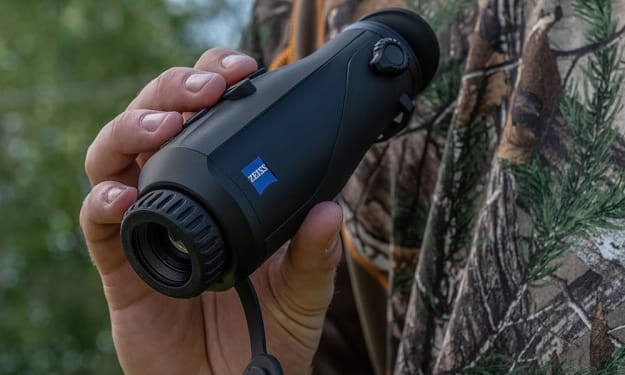
Seeing Beyond the Visible: A Complete Guide to Thermal Monoculars and Thermal Scopes
Introduction In recent years, advancements in imaging technology have allowed us to see the world in ways once thought impossible. Among these innovations, the thermal monocular and thermal scope have become indispensable tools—not just for hunters, but also for outdoor explorers, search-and-rescue teams, and even wildlife researchers. Unlike traditional optics that rely on visible light, thermal imaging devices detect heat signatures, offering vision in complete darkness, through smoke, fog, and other visual obstructions.
By charliesamuelabout a year ago in Journal
The Art of Transformation: Exploring the World of Car Wraps
Cars are more than just vehicles—they are extensions of identity, style, and creativity. Over the past decade, one of the most fascinating shifts in automotive culture has been the rise of the car wrap, a design medium that blends art, engineering, and personal expression. Where once a paint job was the only way to change a car’s appearance, today the vinyl wrap has opened up limitless possibilities, from subtle matte finishes to bold, attention-grabbing colors like candy red or bubblegum pink.
By charliesamuelabout a year ago in Journal