politics
Political figures, histories, and current events in the whole scope of modern and past politics. Work place politics.
Oil Subsidy in Nigeria
Once upon a time, in the vibrant nation of Nigeria, a debate raged on regarding the controversial topic of oil subsidies. It was a story that unfolded against a backdrop of vast oil reserves and a struggling economy, where the fate of the nation's finances hung in the balance.
By OluMichael Oyenuga3 years ago in Journal
From Struggle to Triumph: Nigeria's Path to Democracy
In the annals of Nigerian history, there exists a stirring tale of a nation's quest for democracy. It is a story etched with struggles, sacrifices, and triumphs—a testament to the indomitable spirit of a people yearning for freedom and good governance. Let us embark on a journey through time, unveiling the remarkable evolution of Nigeria's democracy. Nigeria's path to democracy can be traced back to its independence from British colonial rule on October 1, 1960. The newly established nation set out on a course of self-determination, with the promise of a democratic system that would reflect the will and aspirations of its diverse population. However, the early years of independence were marked by political turmoil and military interventions. The first military coup took place in 1966, followed by a series of coups and counter-coups that destabilized the young nation. The military ruled Nigeria for a significant portion of its early history, leading to a longing for civilian governance and democratic institutions. The turning point came in 1999 when Nigeria transitioned to civilian rule after nearly 16 years of military dictatorship. This marked a significant milestone in the nation's democratic journey. The election of Olusegun Obasanjo as Nigeria's President in 1999 ushered in a new era of hope and promise, signaling Nigeria's commitment to democracy. Since then, Nigeria has made significant strides in strengthening its democratic institutions. Elections have been held regularly, allowing the Nigerian people to exercise their right to choose their leaders. Civil society organizations, media outlets, and human rights activists have played pivotal roles in advocating for transparency, accountability, and good governance. However, Nigeria's journey to democracy has not been without its challenges. The nation has grappled with issues such as corruption, political instability, and ethnic tensions, which have at times threatened the fabric of its democratic progress. Nonetheless, the resilience and determination of the Nigerian people have remained steadfast, fueling the ongoing pursuit of a stronger and more inclusive democracy. Nigeria's democratic journey is a story of hope, as well as an ongoing narrative of continuous improvement. The nation has witnessed the emergence of vibrant political parties, the expansion of civil liberties, and the engagement of the youth in shaping the political landscape. Citizens are becoming more actively involved in the democratic process, demanding transparency, accountability, and the fulfillment of their rights. As Nigeria looks to the future, the path to a robust and thriving democracy lies in the hands of its people. It requires the collective efforts of citizens, leaders, and institutions to uphold the principles of democracy, protect the rule of law, and foster inclusive governance. It is a journey that demands vigilance, participation, and the unwavering commitment to building a nation where the voice of every Nigerian is heard and valued. To strengthen Nigeria's democracy, it is essential to prioritize transparency and accountability in all aspects of governance. This includes promoting a culture of openness and ensuring that public officials are held accountable for their actions. The establishment of independent oversight bodies and anti-corruption agencies has been crucial in addressing corruption and promoting good governance practices. Additionally, a vibrant and independent judiciary is vital for upholding the rule of law and protecting the rights of citizens. It ensures that justice is served and provides a check on the executive and legislative branches of government. Upholding the independence and integrity of the judiciary is essential for a thriving democracy. Another critical aspect of Nigeria's democratic journey is the active participation of citizens in the decision-making process. Engaging citizens in governance through mechanisms such as town hall meetings, public consultations, and feedback mechanisms fosters a sense of ownership and accountability. It empowers individuals to voice their concerns, contribute to policy discussions, and hold their elected representatives accountable. Civil society organizations (CSOs) and the media play vital roles in advancing democracy in Nigeria. CSOs act as watchdogs, advocating for the rights of citizens and promoting transparency and accountability. They provide spaces for citizen engagement, monitor elections, and advocate for policy reforms. The media, both traditional and digital, plays a crucial role in informing the public, exposing corruption, and holding those in power accountable. Furthermore, inclusivity is an essential aspect of a thriving democracy. Nigeria's diversity, with its multitude of ethnic groups, languages, and cultures, must be embraced and celebrated. Inclusive governance ensures that the needs and aspirations of all Nigerians, regardless of their backgrounds, are represented and addressed. Encouraging diversity in political leadership, promoting gender equality, and addressing the marginalization of minority groups are crucial steps towards building an inclusive democracy. Education and civic awareness also play pivotal roles in strengthening Nigeria's democracy. Providing quality education that promotes critical thinking, civic values, and democratic principles equips citizens with the knowledge and skills to actively participate in the democratic process. Promoting civic education programs and engaging youth in democratic discussions fosters a culture of active citizenship and encourages the next generation to become responsible and engaged citizens. As Nigeria continues its democratic journey, it is important to recognize that democracy is not a destination but a continuous process of growth and improvement. It requires ongoing dialogue, compromise, and the willingness to address the challenges and shortcomings that may arise. By nurturing a culture of democratic values, Nigeria can create an environment where citizens have trust in their institutions, where their voices are heard, and where the collective will of the people guides the nation's progress. In conclusion, Nigeria's path to democracy has been characterized by struggles, milestones, and progress. The future of Nigerian democracy lies in the commitment and actions of its people. Upholding the principles of democracy, ensuring transparency and accountability, promoting inclusivity, and fostering active citizenship are all essential for Nigeria to continue its journey towards a robust and thriving democracy. With unwavering dedication and collective efforts, Nigeria can build a nation where democracy flourishes, institutions are strong, and the aspirations of its citizens are realized.
By okpala michael3 years ago in Journal
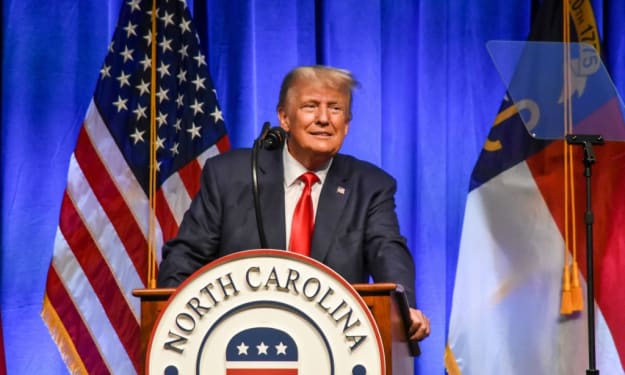
Trump allies cite Clinton email probe to attack classified records case. There are big differences
As former President Donald Trump prepares for a momentous court appearance Tuesday on charges related to the hoarding of top-secret documents, Republican allies are amplifying, without evidence, claims that he is the target of a political prosecution.
By Firenews Feed3 years ago in Journal
Tanker Truck Fire Causes Interstate Overpass Collapse in Philadelphia
Residents in the northeastern United States are bracing themselves for a chaotic morning commute as a result of a devastating incident that occurred on Sunday. A tanker truck carrying gasoline caught fire, leading to the collapse of an overpass on Interstate 95 in Philadelphia. The collapse has prompted the closure of the major highway in both directions and is expected to cause significant disruption for several months during the rebuilding process.
By Ranjan Kumar Pradhan3 years ago in Journal
Collapse of I-95 Underpass in Northeast Philadelphia: Updates and Impact
Introduction The collapse of the I-95 underpass near the Cottman Avenue exit in Northeast Philadelphia has caused significant disruptions in the area. This article aims to provide timely updates, guidance, and information about the incident and its impact on residents, visitors, transportation, and local services.
By Ranjan Kumar Pradhan3 years ago in Journal
"The Illusions of Power: Unveiling the Incompetence of Congresswoman Marjorie Taylor Greene"
Once upon a time, in the bustling halls of the United States Congress, there was a congresswoman named Marjorie Taylor Greene. She arrived on the political scene with much fanfare, elected to represent her district with promises of conservative values and a determination to make a difference. However, it soon became apparent that Greene's tenure would be marked by incompetence and controversy.
By Brandon Stuart3 years ago in Journal
Modi's Make in India Campaign
ction Introduction: Since its launch in September 2014, Prime Minister Narendra Modi's Make in India campaign has been instrumental in transforming India into a global manufacturing hub. The initiative aims to boost domestic production, attract foreign direct investment (FDI), and generate employment opportunities. Through a comprehensive set of policies and reforms, the government seeks to enhance the country's manufacturing capabilities and reduce reliance on imports. This story delves into the impact and evaluation of the Make in India campaign on India's manufacturing sector.
By Abhishek Kr3 years ago in Journal
Lessons learned from past economic crises and their application to the present.
Once upon a time, in the bustling city of Prospera, a young economist named Maya found herself engrossed in a treasure trove of historical documents that chronicled the economic crises of the past. As she delved deeper into the pages, she became increasingly captivated by the lessons learned from those turbulent times and how they could be applied to the present.
By Augustinus Kambuta3 years ago in Journal
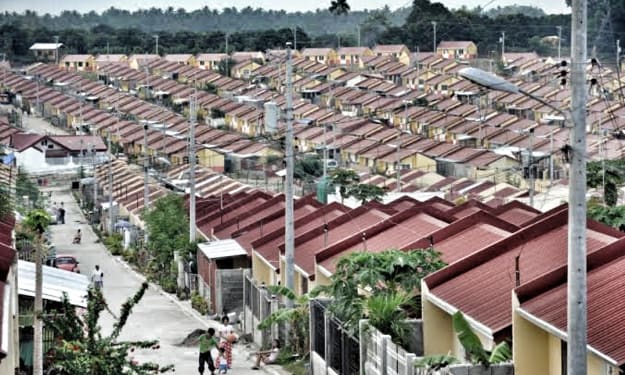
Government Housing Projects vs. Mortgages
Introduction Access to affordable and adequate housing is a fundamental right, and governments worldwide have undertaken various initiatives to address this issue. Two prominent approaches to tackling housing challenges are government housing projects and mortgage schemes. This article aims to provide a comparative analysis of these strategies, exploring their benefits, limitations, and impacts on individuals and communities.
By Frank Odhiambo3 years ago in Journal
A State of Fear: How Governments Around The World Fostered Fear During The COVID-19 Pandemic
Introduction: The COVID-19 pandemic brought unprecedented challenges to governments worldwide, requiring swift and decisive action to protect public health. While fear is a natural response in times of crisis, some governments inadvertently or deliberately contributed to a state of heightened fear among their citizens. This article explores how governments around the world may have inadvertently fuelled fear during the COVID-19 pandemic and the potential consequences of such actions.
By NEISHA CLARKE3 years ago in Journal