industry
Industry related topics in the realm of corporate culture, business, and the workplace.
The Rise of AI-as-a-Service in Cloud Computing
In today’s fast-evolving digital landscape, artificial intelligence (AI) and machine learning (ML) are reshaping industries, and cloud computing is at the forefront of this transformation. By integrating AI and ML into cloud services, businesses are unlocking unprecedented levels of efficiency, scalability, and innovation. This article explores how AI is revolutionizing cloud computing and why it’s a game-changer for organizations worldwide.
By Teleglobal Internationalabout a year ago in Journal
Artificial Intelligence: When Machines Start to Become Part of Our Lives
In recent years, the world has witnessed a rapid surge in technological advancements. One of the most transformative forces driving this change is the rise of artificial intelligence (AI). What was once a concept reserved for academic forums and futuristic movies has now become deeply embedded in our everyday lives.
By DanishMahdiabout a year ago in Journal
🏇 Journalism Delivers a Stunning Victory in the 150th Preakness Stakes
By the time the crowd rose to their feet at Baltimore’s Pimlico Race Course on May 18, 2025, the air wasn’t just filled with the thundering of hooves—it echoed with history.** The 150th running of the Preakness Stakes was more than just a horse race; it was a farewell party, a historic milestone, and a bittersweet finale to a beloved American sporting tradition.
By Muhammad Saadabout a year ago in Journal
A Perfect Storm for Energy Is Coming to the US. AI-Generated.
The United States is facing an imminent energy crisis, with various factors coming together to create a challenging situation that jeopardises energy stability, affordability, and accessibility nationwide. This impending issue is not the result of one mistake, but rather a combination of aging infrastructure, rising demand, supply chain interruptions, geopolitical uncertainties, and the shift towards cleaner energy sources. As the nation progresses towards a more electrified, technologically advanced, and environmentally conscious future, the necessity to tackle this looming crisis becomes more pressing with each year.
By Ahmed Musheeabout a year ago in Journal
A Lesson on Perspective from LOTR
I’ve always considered myself a pretty big fan of the Lord of the Rings franchise. I started watching the first LOTR movie a little late. My sister was a big fan by the time all three movies were out, and she kept telling me it definitely was going to be my cuppa tea, but I procrastinated.
By Manisha Dhalaniabout a year ago in Journal
The Dark Reality of Dimonds
Diamonds are often regarded as symbols of love, luxury, and status. Advertisements glorify them as "forever," and they dominate engagement rings, red carpets, and royal regalia. However, beneath their sparkling surface lies a troubling reality that involves human suffering, environmental destruction, and exploitative practices. The journey of a diamond, from the earth to the display case, is often riddled with blood, corruption, and inequality. Blood Diamonds and Human Suffering The term "blood diamond" or "conflict diamond" refers to diamonds mined in war zones and sold to finance armed conflict against governments. This practice became widely known during the brutal civil wars in African nations such as Sierra Leone, Angola, and the Democratic Republic of Congo during the 1990s and early 2000s. Rebel groups seized control of diamond-rich areas, exploiting local populations and using the profits to fund war efforts. Miners, including children, were often forced to work in horrific conditions. Many were subjected to violence, mutilation, and even death. Families were displaced, communities destroyed, and entire regions destabilized — all in pursuit of profits from diamonds. The 2006 film Blood Diamond, starring Leonardo DiCaprio, helped raise awareness about this issue, but the problem still persists in less visible forms. The Illusion of Ethical Regulation In response to international pressure, the Kimberley Process Certification Scheme was established in 2003 to prevent the trade in conflict diamonds. While it brought some improvement, the system has major flaws. The Kimberley Process only defines conflict diamonds as those used to fund rebel movements against recognized governments. It does not account for human rights abuses committed by governments themselves or by companies operating under legal contracts. Furthermore, the certification process is often easy to manipulate. Diamonds can be smuggled across borders and mixed with ethically sourced stones to obscure their origin. As a result, consumers are frequently misled into thinking their purchase is conflict-free when it may not be. Environmental Devastation Diamond mining has a severe environmental impact, especially in developing countries. Open-pit mining, one of the most common methods, involves digging massive holes in the earth, displacing soil and ecosystems. Forests are cleared, rivers diverted, and landscapes permanently altered. In some cases, abandoned mines become toxic wastelands, contaminating water supplies and harming wildlife. Alluvial mining, often used in riverbeds, causes erosion and disrupts local agriculture and fishing industries. In areas where regulations are weak or non-existent, companies may leave without rehabilitating the land, creating long-term ecological disasters. Exploitation and Inequality The diamond industry generates billions of dollars annually, but very little of this wealth reaches the communities where diamonds are mined. In many cases, local workers earn meager wages and are exposed to dangerous working conditions without protective equipment or health care. Child labor is still prevalent in some regions. Meanwhile, multinational corporations and elites profit immensely, widening the gap between rich and poor. Countries rich in natural resources like diamonds often suffer from what's known as the "resource curse" — where resource wealth leads to corruption, conflict, and economic stagnation instead of development. The Rise of Alternatives In recent years, there has been a growing demand for ethically sourced and sustainable diamonds. Lab-grown diamonds, which are chemically and visually identical to natural ones, have emerged as a popular alternative. These stones are created using high-tech processes that eliminate the need for mining, significantly reducing environmental and ethical concerns. Some companies also offer traceable diamonds mined under strict ethical standards, but verifying their claims remains a challenge. Consumers can play a role by researching brands, asking questions about sourcing, and considering alternatives to traditional diamonds. Conclusion The beauty of a diamond often masks a dark and disturbing reality. From financing wars and human rights abuses to environmental destruction and economic exploitation, the diamond industry has a long history of injustice. While steps have been taken to address these issues, much more work is needed to ensure that diamonds no longer come at the cost of human and ecological suffering. As consumers, we hold the power to demand change. By choosing ethically sourced or lab-grown diamonds, supporting transparent businesses, and spreading awareness, we can help shift the industry toward a more humane and sustainable future. Behind every glittering gem lies a choice — and it’s up to us to make the right one.
By Shah saab ITabout a year ago in Journal
How AI Helped Me Survive Office Pressure as an HR Admin
It started in 2023 — just casual scrolling through social media when I kept seeing people talk about AI. They said it could help with office work, communication, and even ease daily stress. At first, I didn’t pay much attention. It sounded a bit too good to be true.
By DanishMahdiabout a year ago in Journal
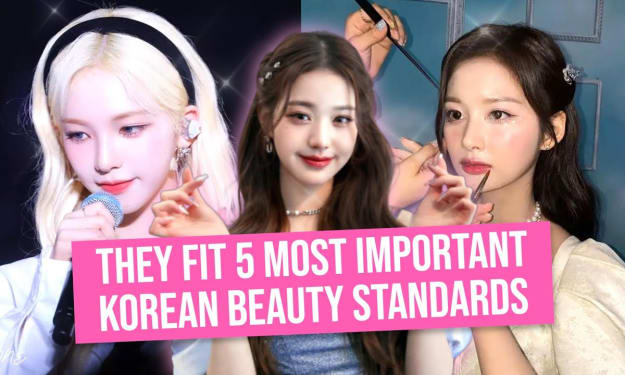
The Evolution of Beauty Standards in K-Pop: A Look at Changing Trends and Fan Reactions. AI-Generated.
The K-pop industry is as much about visuals as it is about music. From meticulously crafted hairstyles and flawless makeup to carefully curated fashion and ideal body proportions, aesthetics play a pivotal role in an idol’s image and marketability. However, the definition of what constitutes "beautiful" in K-pop has undergone a significant evolution since the industry’s early days. Examining these shifting trends and the often-intense reactions from fans provides a fascinating insight into South Korean beauty ideals and the immense pressure idols face to conform.
By About Koreaabout a year ago in Journal
Cannes 2025 Red Carpet: Stars Shine Amid New Dress Code Drama
The 78th Cannes Film Festival, running from May 13 to May 24, 2025, kicked off with a dazzling display of glamour on the French Riviera’s iconic red carpet. The Croisette buzzed with Hollywood heavyweights, international cinema icons, and fashion trailblazers, all navigating a controversial new dress code that banned nudity and voluminous outfits. Despite the restrictions, stars like Bella Hadid, Natalie Portman, and Tom Cruise proved that elegance and rebellion could coexist, delivering unforgettable fashion moments at premieres and galas.
By Olsa Konnegetabout a year ago in Journal