industry
Industry related topics in the realm of corporate culture, business, and the workplace.
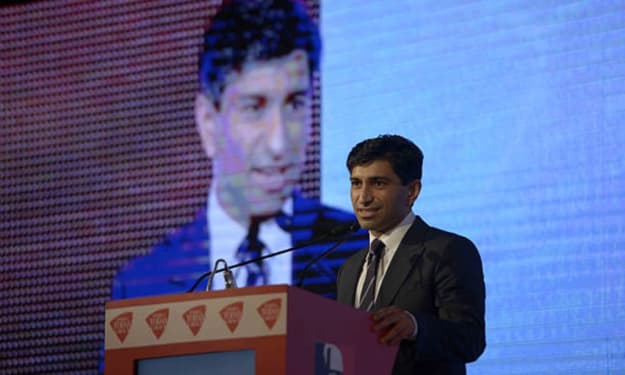
“Put Yourself in Uncomfortable Situations”: Sundar Pichai’s 8 Career Lessons for Breakthrough Growth
Embrace Strategic Discomfort Why it matters Real growth begins where certainty ends; discomfort triggers learning, creative problem‑solving, and resilience under pressure.
By Reframerootsabout a year ago in Journal
The Evolution and Importance of Hydraulic Hose Crimping Machines in Modern Industries
In today’s fast-paced industrial world, efficiency, safety, and durability play crucial roles in maintaining successful operations. One of the most important innovations in fluid power systems has been the development of the hydraulic hose crimping machine. This essential piece of equipment ensures that hydraulic hoses are properly fitted, secure, and capable of withstanding the intense pressures of hydraulic applications. Sometimes referred to as a hyd hose crimping machine or a hydraulic hose press, it represents the backbone of many industries where hydraulic systems are vital, such as construction, manufacturing, mining, and transportation.
By charliesamuelabout a year ago in Journal
What Industries Use Virtual Employees the Most?. AI-Generated.
Not too long ago, I found myself working late at night, emailing with a colleague who was thousands of miles away. We’d never met in person, yet our collaboration felt seamless. It struck me then, workplaces aren’t bound by walls anymore. The rise of virtual employees is proof that businesses everywhere are reimagining what it means to “go to work.”
By Anjelina Jonesabout a year ago in Journal
The AI Bubble Exposed: MIT Study Reveals Why 95% of Generative AI Projects Fail
The latest MIT study has sent shockwaves through the technology sector, uncovering hard evidence of what skeptics have long feared: the spectacular hype around generative AI is fueling an unsustainable AI bubble, with 95% of enterprise projects failing to deliver real business value. For companies, investors, and the broader market, this revelation could be the clearest warning yet that the sector is at risk of repeating the tech bubble mistakes of the past.
By Reframerootsabout a year ago in Journal
10 Ways Ratul Puri Is Turning Hindustan Power Into a Case Study for Sustainable Growth, Resilient Leadership, and Global Impact
In today’s fast-evolving global energy landscape, few names resonate as strongly as Ratul Puri, Chairman of Hindustan Power. Known for his forward-looking approach, Puri has positioned Hindustan Power as one of India’s most influential clean energy enterprises, driving sustainability while building resilience in a volatile sector. His leadership offers a model not only for Indian corporations but also for businesses worldwide navigating the transition toward green, sustainable futures.
By Chinmaya Singhabout a year ago in Journal
Kevin Spacey, Shohreh Aghdashloo and Irv Gotti (Accepted by Chris Gotti) To Be Honored with Lifetime Achievement Awards at Septimius Awards 2025 3–4 September in Amsterdam
Amsterdam, Netherlands – September 4, 2025 — Excitement is building in Amsterdam as the world’s eyes turn to the historic Tuschinski Theater for the Septimius Awards 2025. Known as one of Europe’s most international and diverse award shows, this year’s event will pay tribute to three remarkable figures: Academy Award winner Kevin Spacey, Iranian-American actress Shohreh Aghdashloo, and the late music mogul Irv Gotti. Each will receive a Lifetime Achievement Award in recognition of their extraordinary impact on global culture. Irv Gotti’s award will be accepted by his brother and collaborator, Chris Gotti.
By Olsa Konnegetabout a year ago in Journal
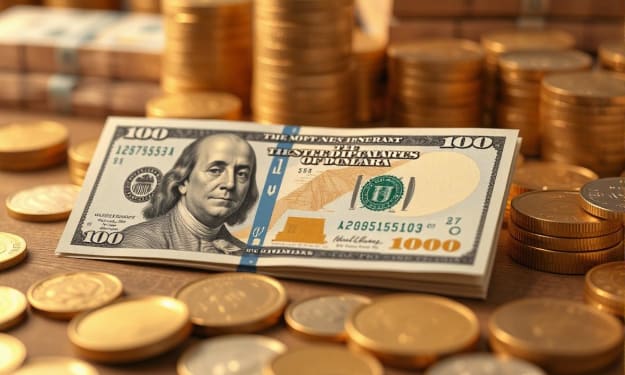
The Difference Between Saving in a Bank and Keeping Cash at Home
he Difference Between Saving in a Bank and Keeping Cash at Home Ali was seventeen when his uncle handed him an envelope with two hundred dollars inside. His uncle said, “This is yours. Do not waste it.” Ali felt proud. For the first time, he had money that belonged only to him. He faced a choice. Should he put the money in a bank, or should he keep it in his desk drawer? At first, the desk felt easier. He could see the money whenever he wanted. He could touch it. But he also felt uneasy. What if someone opened the drawer? What if he lost it? That small moment led Ali to learn the difference between saving in a bank and keeping cash at home. His story shows why the choice matters. Keeping Cash at Home Ali’s friend Karim always kept his money in a shoebox under his bed. He said it was safer because he did not trust banks. Karim explained that his parents once had problems with fees and lost money to charges they did not understand. For him, the shoebox was simple. At first, Ali thought Karim’s method had benefits: No paperwork. Money always within reach. No waiting in line or learning about accounts. But over time, Ali noticed the problems too. Karim’s younger brother once borrowed twenty dollars from the box without asking. Another time, their house lost power for three days during a storm, and Karim worried someone might break in when it was dark. Most of all, Ali realized that Karim’s money never grew. It stayed the same amount every month, unless he added more. Keeping cash at home protects you from bank fees, but it also keeps your money frozen. It does not earn interest. It can be stolen, lost in a fire, or even forgotten. Saving in a Bank Ali decided to open a savings account with his uncle’s help. At the bank, a worker explained how the account functioned. Ali’s money would stay safe. The bank recorded every deposit. The government insured deposits up to a limit, which meant that even if the bank failed, his money would still be protected. Ali noticed several advantages: His money earned interest. Even if the rate was small, it was more than zero. The bank gave him a record of his balance. He always knew how much he had. He could not spend it impulsively because it was not lying in his drawer. He built a financial history. Later, this would help him if he wanted a loan. The downsides were real as well. Sometimes banks charged fees if the balance dropped too low. Withdrawals were not instant if he needed cash late at night. But the benefits outweighed the problems. The Real Difference The difference between saving in a bank and keeping cash at home is not only about safety. It is about growth and discipline. Cash at home gives you access but no growth. It makes you feel in control, but it also tempts you to spend quickly. In Ali’s case, when he kept twenty dollars in his drawer, he often used it for snacks or games. He saw it as “extra.” Money in the bank feels less like pocket change and more like a step toward a goal. Ali saved for a laptop. Each time he deposited part of his paycheck, the balance grew. Seeing that number climb gave him motivation. After six months, he bought the laptop with money that stayed safe until he needed it. Why This Matters In many cultures, people still keep savings at home. They trust what they see. But the risks are high. Fires, floods, or theft erase everything instantly. A study by the Federal Reserve showed that in the United States, households with no bank account spend more on services like check-cashing or money orders. This reduces the value of their money over time. Banks, even with their flaws, provide a secure system. They allow your money to work for you. Even small interest, combined with habits of saving, leads to long-term growth. Ali’s Lesson One year later, Ali had over one thousand dollars in his bank account. He also still kept some cash at home, about fifty dollars, for emergencies. That balance felt right. The cash helped in quick situations, but the bank savings gave him peace of mind. Ali told Karim, “Keeping all your money in a shoebox is like planting seeds on a stone. They stay there, but they never grow. A bank is like putting the seeds in soil. Even if they grow slowly, at least they grow.” Karim thought about it. A few weeks later, he asked Ali to help him open his own account. Final Thought The difference between saving in a bank and keeping cash at home is about risk and reward. Cash at home gives access, but no protection or growth. A bank account adds structure, safety, and the chance to build a future. Ali’s choice showed that saving is not only about storing money. It is about using money in a way that protects it and prepares you for what comes next.
By Straylightabout a year ago in Journal
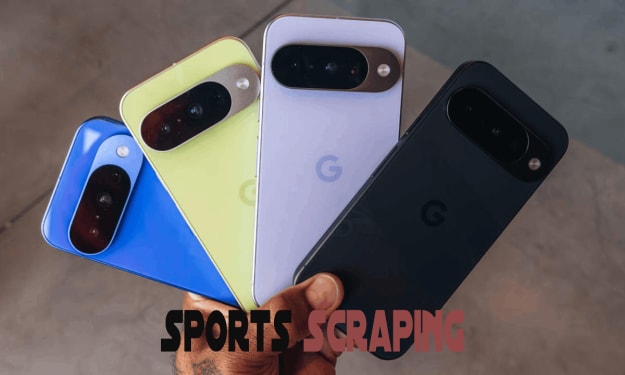
Google Just Dropped the Pixel 10, Watch 4 & Pro Fold
Google’s annual “Made by Google 2025” event turned into more than just another product showcase on Wednesday, it was a full-blown tech spectacle. Packed with celebrity cameos, live demos, and even a late-night talk show vibe courtesy of host Jimmy Fallon, the company unveiled its most ambitious lineup yet: the Pixel 10 series, Pixel 10 Pro Fold, Pixel Watch 4, Pixel Buds 2A, and a slew of Gemini AI-powered tools that aim to push smartphones and wearables into a smarter future.
By Sports Scrapingabout a year ago in Journal
Why Italian Nights Are Still the Star of Resort Theme Dinners
Theme Nights: More Than Dinner, a Journey In today’s all-inclusive resorts, dining is no longer just about food. It has become an experience, often the highlight of a guest’s stay. Theme nights are a key element of this: evenings dedicated to Mexican fiestas, Asian street food, seafood festivals, or local traditions that celebrate cultural heritage.
By Cristian Marinoabout a year ago in Journal
From Page to Screen: How Japanese Manga and Anime Fare in Live-Action Films. AI-Generated.
For decades, manga and anime have captured global audiences with their rich worlds, unforgettable characters, and emotional storytelling. It’s no surprise that studios often attempt to bring these beloved works into live-action cinema. But while anticipation runs high, the results are often mixed. Why is it so difficult to translate the magic of ink and animation into live-action? And what happens when it actually works?
By Takashi Nagayaabout a year ago in Journal
Cracker Barrel’s Bold Logo Makeover: Why Ditching ‘Uncle Herschel’ Became a Viral Firestorm
A Shockwave Across Wall Street and Social Media When Cracker Barrel revealed its new logo this week, the internet practically exploded. Gone was the familiar image of “Uncle Herschel,” the bearded man leaning on a wooden barrel that had defined the chain for decades. In its place, a pared-down, text-only design: the words “Cracker Barrel” on a muted gold backdrop, stripped of imagery and nostalgia.
By Waqar Khanabout a year ago in Journal