book review
Books reviews on workplace, corporate, and business driven books.
Embracing Electric Cars in the Cold Prairie: A Winter Wonderland Drive
As frigid temperatures sweep across Saskatchewan, the debate on the practicality of electric cars in the winter has become a hot topic. Two enthusiastic electric car owners, Tyler Krause and Matthew Pointer, recently shared their winter driving experiences on CBC's Blue Sky, shedding light on the perks and challenges of owning electric vehicles (EVs) in the chilly Canadian climate. Tyler Krause, a board member of the Saskatchewan Electric Vehicle Association and founder of the Tesla Owners Club of Saskatchewan, passionately advocates for the winter prowess of his Tesla Model 3. According to Krause, the electric wonder heats up faster than any gas car he's ever owned, boasting reliability akin to a "phone or a computer on wheels." The convenience of no traditional engine starting ritual adds to the simplicity of the electric driving experience. However, Krause acknowledges the winter Achilles' heel for EVs – the inevitable loss of driving range in freezing temperatures. While his Tesla Model 3 can confidently cover 500 kilometers on a single charge during the summer, the range shrinks to around 300 kilometers on cold winter days. Yet, with the growing charging infrastructure in the province, Krause remains confident, stating that it's still enough for most journeys. Matthew Pointer, another proud Tesla Model 3 owner, echoes Krause's sentiment, declaring an electric vehicle to be the "best vehicle in these temperatures." Pointer emphasizes the simplicity of EVs, describing how he can leave his car unplugged overnight in -40°C weather, use a mobile app to preheat the car, and enjoy a cozy interior with heated steering wheel and seats. The convenience, according to Pointer, makes an electric vehicle a superior choice during the winter months. While both Krause and Pointer acknowledge that battery-electric vehicles may not suit everyone, especially those traveling long distances in areas with limited charging infrastructure, they propose plug-in hybrid vehicles as a viable alternative. These hybrids, mandated by the federal government, provide the flexibility of driving like a traditional gas vehicle while offering some of the benefits of going electric, such as lower fuel costs. Speaking of fuel costs, Krause estimates that charging an average-size EV battery at home (around 70 kilowatt-hours) from zero to 100 percent costs approximately $10, given an electricity rate of about 14 cents per kilowatt-hour. Pointer chimes in, highlighting the "insane" cost savings of driving an electric vehicle for five years. Both owners claim to have saved between $25,000 and $30,000 over this period in fuel and maintenance. Despite the undeniable advantages, Krause and Pointer acknowledge the upfront cost barrier for longer-range electric vehicles. However, they remain hopeful that ongoing advancements in technology and increased adoption will eventually drive down these initial costs. One noteworthy proposal from these electric car enthusiasts is the need for more charging stations in small towns across Saskatchewan. Recognizing that EV charging sessions take longer than a traditional gas fill-up, Krause suggests that towns could leverage this time to revitalize their main streets. Electric vehicle chargers could attract visitors who, while waiting, explore local restaurants, shops, and recreational areas, injecting life and business into these communities. In conclusion, as Saskatchewan navigates the winter chill, electric car advocates like Tyler Krause and Matthew Pointer paint a picture of EVs as reliable, efficient, and even enjoyable in cold temperatures. While challenges persist, the promise of cost savings and a greener future, coupled with strategic infrastructure development, may pave the way for electric vehicles to become a common sight on the Prairie roads. Summary..While both Krause and Pointer acknowledge that battery-electric vehicles may not suit everyone, especially those traveling long distances in areas with limited charging infrastructure, they propose plug-in hybrid vehicles as a viable alternative. These hybrids, mandated by the federal government, provide the flexibility of driving like a traditional gas vehicle while offering some of the benefits of going electric, such as lower fuel costsMatthew Pointer, another proud Tesla Model 3 owner, echoes Krause's sentiment, declaring an electric vehicle to be the "best vehicle in these temperatures." Pointer emphasizes the simplicity of EVs, describing how he can leave his car unplugged overnight in -40°C weather, use a mobile app to preheat the car, and enjoy a cozy interior with heated steering wheel and seats. The convenience, according to Pointer, makes an electric vehicle a superior choice during the winter months.
By Nadeem Saifi3 years ago in Journal
Celebrating Martin Luther King Jr. Day: A Timeless Tribute to a Civil Rights Icon
As we commemorate Martin Luther King Jr. Day in 2024, we reflect on the enduring legacy of a man who left an indelible mark on American history. This federal holiday, observed on the third Monday of January each year, coincides with King's actual birthday, January 15. This year marks 38 years since the nation first began honoring the civil rights icon. Martin Luther King Jr. was a driving force behind the U.S. civil rights movement, known for his nonviolent efforts to achieve social and racial equality. His influence played a pivotal role in the passage of key legislation, including the Civil Rights Act of 1964 and the Voting Rights Act of 1965. King's commitment to justice and equality found expression in transformative events, such as the Montgomery Bus Boycott in 1956 and the iconic March on Washington in 1963. It was during the latter that King delivered his famous "I Have a Dream" speech, a powerful call for a future where individuals are judged by their character rather than the color of their skin. As we pay tribute to King's lasting legacy, various events are taking place across the nation in 2024. One notable event is a commemorative service at Ebenezer Baptist Church in Atlanta, where King served as co-pastor for eight years before his tragic assassination in 1968. This serves as a poignant reminder of King's contributions to the church and the broader struggle for civil rights. Throughout the weekend leading up to Martin Luther King Jr. Day, communities nationwide engaged in commemorations and volunteer events. These culminated in a series of tributes on Monday in every state, celebrating King's vision for a more just and equal society. In the nation's capital, Washington D.C., a range of events are planned, including a prayer breakfast, wreath-laying ceremony, peace rally, parade, and a special exhibit at the Smithsonian National Museum of African American History and Culture. New York City is organizing a food drive and book drive in honor of King, accompanied by a panel discussion featuring a special screening of a film dedicated to his legacy. Chicago, a city deeply connected to the civil rights movement, is hosting a breakfast hosted by the Rev. Jesse Jackson. Additionally, there are plans for a carnival, panel discussion, sports tournament, church services, and various family events in honor of King's enduring impact. Meanwhile, the Los Angeles area is set to host more than a dozen King Day events, including a prayer breakfast, parade, clothing drive, and volunteer festival. As we engage in these celebrations, it's essential to acknowledge that Martin Luther King Jr. Day extends beyond mere recognition. It is also designated as a National Day of Service, encouraging volunteerism to promote positive change in communities across all 50 states. The journey to establish Martin Luther King Jr. Day as a federal holiday was not without its challenges. The inaugural holiday occurred 18 years after King's death, on January 20, 1986, following the signing of the King Holiday Bill by President Ronald Reagan in November 1983. This historic achievement marked the culmination of a 15-year congressional battle, initiated by Michigan Democrat John Conyers just days after King's assassination in 1968. Conyers, a founding member of the Congressional Black Caucus, faced initial resistance in Congress due to mixed attitudes on race. However, his persistence and commitment led to the reintroduction of the bill throughout the 1970s and much of the 1980s, finally succeeding in 1983 amid widespread public support. As we celebrate Martin Luther King Jr. Day in 2024, let us not only remember the man and his monumental contributions but also actively engage in the spirit of service and volunteerism he championed. Through collective efforts, we can continue the journey toward a more just and equitable society, honoring the timeless legacy of Dr. Martin Luther King Jr. Summary..Chicago, a city deeply connected to the civil rights movement, is hosting a breakfast hosted by the Rev. Jesse Jackson. Additionally, there are plans for a carnival, panel discussion, sports tournament, church services, and various family events in honor of King's enduring impact. Meanwhile, the Los Angeles area is set to host more than a dozen King Day events, including a prayer breakfast, parade, clothing drive, and volunteer festival.Throughout the weekend leading up to Martin Luther King Jr. Day, communities nationwide engaged in commemorations and volunteer events. These culminated in a series of tributes on Monday in every state, celebrating King's vision for a more just and equal society.
By Nadeem Saifi3 years ago in Journal
Zika Virus Shows Promise in Fighting Childhood Cance
In a groundbreaking study led by Nemours Children's Health researchers, injecting neuroblastoma tumors in mice with the Zika virus demonstrated remarkable results, suggesting a potential breakthrough in cancer therapy. Neuroblastoma is a rare childhood cancer that poses a significant challenge due to its resistance to traditional treatments like chemotherapy and radiation. The Zika Connection: Recent discoveries revealed that the Zika virus, known for causing birth defects, might have a surprising application in fighting cancer. The virus targets a developmental protein called CD24, which is also present in certain cancers. This study focused on exploring the Zika virus's effectiveness against neuroblastoma, a childhood cancer with limited treatment options. Mice Studies Bring Hope: The researchers conducted experiments on mice with neuroblastoma tumors expressing high levels of CD24. Half of the mice received a saline solution, while the other half received Zika virus injections. Astonishingly, mice treated with Zika experienced a near-total loss of tumor size, with the highest dosage leading to complete tumor elimination. Importantly, no adverse effects or Zika virus symptoms were observed during the four-week follow-up. Mouse Models Mimic Human Tumors: To assess the potential impact on human patients, the researchers developed mouse models with human neuroblastoma tumors. The results were promising, showing significant tumor reduction in mice treated with Zika virus compared to those given a saline solution. Importantly, the tumor shrinkage persisted, hinting at the possibility of prolonged survival for patients treated with Zika. Caution and Future Prospects: While the findings are exciting, the researchers emphasize the need for extensive studies on the safety and efficacy of using Zika virus as a cancer therapy. Further testing in mouse adrenal glands, mimicking the typical location of neuroblastoma in humans, is underway. The ultimate goal is to progress to clinical trials and seek approval from the U.S. Food and Drug Administration. Hope for High-Risk Neuroblastoma Patients: For patients with high-risk neuroblastoma, the Zika virus could potentially serve as a bridge therapy, offering a lifeline when traditional treatments fail. The researchers also envision broader applications, suggesting that Zika virus treatment might benefit individuals with other cancers expressing high levels of CD24. A Glimpse into Neuroblastoma Challenges: Neuroblastoma poses a significant challenge, especially for patients resistant to conventional chemotherapy. The study's potential breakthrough offers hope for improved survival rates and a more effective approach to treating this complex childhood cancer. Zika Virus: A Brief Background: The Zika virus, first identified in monkeys in Uganda in 1947, gained global attention for its link to birth defects in humans. Spread by infected mosquitoes, the virus targets CD24, causing developmental issues in fetuses during pregnancy. Although most cases are mild, the infection can lead to severe complications in pregnant women and their unborn children. Looking Ahead: The study's lead author, Tamarah Westmoreland, MD, PhD, and first author Joseph Mazar, PhD, highlight the potential impact of Zika virus therapy on neuroblastoma and potentially other cancers. The researchers are optimistic that further validation could pave the way for enhanced survival rates for neuroblastoma patients. In conclusion, the study marks a significant step in exploring unconventional treatments for childhood cancer, offering hope for those facing limited options. While the road to clinical application is long, the potential use of Zika virus as a cancer therapy opens new doors in the quest for more effective and targeted treatments against neuroblastoma and potentially other challenging cancers. Summary..The Zika virus, first identified in monkeys in Uganda in 1947, gained global attention for its link to birth defects in humans. Spread by infected mosquitoes, the virus targets CD24, causing developmental issues in fetuses during pregnancy. Although most cases are mild, the infection can lead to severe complications in pregnant women and their unborn children.While the findings are exciting, the researchers emphasize the need for extensive studies on the safety and efficacy of using Zika virus as a cancer therapy. Further testing in mouse adrenal glands, mimicking the typical location of neuroblastoma in humans, is underway. The ultimate goal is to progress to clinical trials and seek approval from the U.S. Food and Drug Administration.
By Nadeem Saifi3 years ago in Journal
Best Pay Per Click Programs Without a Website
Best Pay Per Click Programs without a Blog or Website: Explore the top PPC programs like Media.net, Ezoic, and Google AdSense that offer individuals the opportunity to earn passive income without having a blog or website.
By Timothy A Rowland3 years ago in Journal
Breakthrough Alzheimer’s Treatment Shows Promise in Early Human Trials
In a groundbreaking development, researchers at the West Virginia University Rockefeller Neuroscience Institute (RNI) have reported promising results in the first human trials of a new Alzheimer’s therapy. Their innovative approach involves combining focused ultrasound with antibody therapies to accelerate the removal of amyloid-beta plaques from the brains of individuals with Alzheimer’s disease. The study findings, recently published in The New England Journal of Medicine on Jan. 11, shed light on a potential breakthrough in Alzheimer’s treatment. Amyloid-beta plaques, an abnormal buildup of proteins in the brain, are a hallmark of Alzheimer’s disease. These plaques interfere with neurons and contribute to the progression of the disease. Traditional anti-amyloid-beta monoclonal antibody treatments, such as aducanumab and lecanemab, have shown effectiveness in clearing these plaques and slowing down the disease. However, their impact has been limited by the blood-brain barrier (BBB), a protective shield designed to keep harmful substances from reaching the brain. The blood-brain barrier has been a significant obstacle, blocking more than 98% of drugs from reaching the brain. This limitation necessitates higher doses and more frequent therapies for patients. In this recent study, scientists utilized a focused ultrasound (FUS) system to temporarily open the blood-brain barrier, allowing antibodies greater access to areas of the brain with high amyloid-beta plaque concentrations. After six months of antibody treatment, participants in the study experienced an average of 32% more reduction in amyloid-beta plaques in areas where the BBB was opened compared to areas treated without ultrasound. This breakthrough is particularly significant as it addresses the challenge of drug delivery to the brain and potentially enhances the effectiveness of antibody treatments for Alzheimer’s. The study involved three participants, aged 59 to 77, all with mild Alzheimer’s disease. Each participant received six monthly infusions of the aducanumab antibody, with focused ultrasound used after each treatment to open the BBB at sites of the highest plaque buildup. Notably, potential risks associated with ultrasound use, such as brain swelling and hemorrhage, were not observed during the study. MRI scans confirmed the temporary nature of the BBB opening, which closed 24 to 48 hours after the FUS procedure. Dr. Ali Rezai, the lead researcher and director of the Rockefeller Neuroscience Institute at WVU, highlighted the significance of non-invasive focused ultrasound as an outpatient procedure that allows targeted delivery of therapeutics to the brain. This approach holds promise for accelerating the benefits of antibody treatment in Alzheimer’s disease. While acknowledging the potential risks associated with ultrasound, Dr. Rezai emphasized that the study verified the temporary nature of the BBB opening, ensuring its safety. PET scans confirmed the reductions in amyloid plaques, marking a crucial step toward larger studies. As the research progresses, the next phase of the clinical trial will explore the combination of ultrasound therapy with lecanemab, another anti-beta amyloid antibody. Dr. James Galvin, director of the Comprehensive Center for Brain Health at UHealth, the University of Miami Health System, underscored the importance of this study in demonstrating safe ways to enhance drug delivery to the brain without serious adverse effects. It's crucial to note that this early research involved only three patients and lacked a placebo-controlled study design. Despite this limitation, the study sets the stage for larger trials, enabling researchers to evaluate more patients and larger areas of the brain. Focused ultrasound, previously used in the treatment of brain diseases like Parkinson’s and tumors, showcases its potential in revolutionizing Alzheimer’s treatment. In conclusion, this pioneering research offers hope for a new era in Alzheimer’s treatment, demonstrating the feasibility and safety of using focused ultrasound to enhance drug delivery to the brain. While the study is in its early stages, the promising results pave the way for further exploration and the potential development of more effective treatments for Alzheimer’s disease. Summary..In a recent safety study exploring a novel Alzheimer's therapy, researchers at the West Virginia University Rockefeller Neuroscience Institute used focused ultrasound alongside antibody treatments to remove amyloid-beta plaques from the brains of Alzheimer's patients. The study, published in The New England Journal of Medicine, involved three participants and demonstrated a 32% average reduction in plaques after six months. The breakthrough addresses the challenge posed by the blood-brain barrier, enhancing drug delivery to the brain. Dr. Ali Rezai, the lead researcher, Dr. James Galvin, director of the Comprehensive Center for Brain Health, highlighted the study's importance in exploring safe methods to boost drug delivery. Although cautioning that the study was small and lacked a placebo group, he expressed excitement about potential larger studies. Rebecca M. Edelmayer, from the Alzheimer’s Association, found the results intriguing, acknowledging the challenge of crossing the blood-brain barrier. She emphasized the study's value as a test for a cutting-edge idea and noted the potential from lessons learned in other diseases, like brain tumor treatment. While recognizing the study's preliminary nature and short duration, Edelmayer stressed the need for more research, particularly in diverse communities, to fully understand the approach's impact on Alzheimer's disease. In summary, the study's innovative use of focused ultrasound and antibodies in Alzheimer's patients shows early promise, with researchers cautiously optimistic about its potential for larger-scale studies and future advancements in dementia treatment.
By Nadeem Saifi3 years ago in Journal
Girona's Remarkable Rise: A Football Tale from the Heart of Catalonia
In the heart of Catalonia, where football pride runs deep, it's not Barcelona but the modest Girona that's stealing the spotlight this season. Currently sharing the lead in La Liga with Real Madrid, Girona's journey from a club with a humble 200-fan attendance at the turn of the century to challenging for the top spot is nothing short of remarkable. Established 93 years ago, Girona only entered the second tier in 2008, historically overshadowed by Barcelona and Espanyol. Their tiny stadium, the Estadi Montilivi, witnessed sparse crowds back in 1999 as the team played in the fifth tier of Spanish football. However, a turning point came with back-to-back promotions in 2008, propelling Girona into Spain's second tier. The arrival of Pere Guardiola, not the famed Pep but his influential brother, in 2014 marked a significant shift. Pere, with a background in football marketing, played a pivotal role in transforming the club. Despite relegation, Girona returned to the top flight in 2022, winning the play-off against Tenerife under coach Michel's guidance. Michel, who had faced dismissal from his previous coaching roles, found success at Girona. His first season saw the club secure promotion and finish 10th in their return to La Liga. The key was the owners' faith in Michel during challenging times, showing patience that paid off. Describing Michel's coaching style, there's a hint of Pep Guardiola. While not an innovator like Pep, Michel brings intensity, clear tactics, and the ability to adapt mid-game. His approach combines possession, directness, and counter-attacking, reminiscent of Manchester City's style. Regular contact with Pep Guardiola aside, Michel appreciates his journey and values the smaller details that make a difference. Michel's background in Vallecas, a working-class district in Madrid, shaped his character. Raised by his grandparents as his parents ran a fruit shop, he learned the importance of integration. His 425 appearances for Rayo Vallecano and subsequent coaching role showcased his commitment to adaptability, a lesson instilled by his grandmother – "Adapt where you go." What sets Michel apart is his attention to detail, even extending to learning Catalan upon arriving in Girona. It reflects his dedication to understanding and connecting with the local culture. This commitment, combined with his coaching prowess, has played a significant role in Girona's unexpected rise. As Girona sits joint-top with Real Madrid, the dream of winning La Liga is cautiously discussed. With 48 points ensuring top-flight safety, Michel remains grounded, taking nothing for granted. While comparisons to Leicester City's historic title win emerge, Michel focuses on the day-to-day hard work that sustains success. In the changing rooms, discussions may include the possibility of reaching Europe, a testament to Girona's extraordinary journey. For now, the spotlight is on this Catalan underdog, defying the odds and etching a unique chapter in Spanish football. Michel, the coach of Girona and a hero at Rayo Vallecano, learned the art of integration in the diverse Vallecas district. Making 425 appearances for Rayo Vallecano, he became a local legend before transitioning to coaching in 2017. Upon arriving in Girona, he embraced the Catalan language and culture, guided by an elderly couple next door. Fans affectionately chant "Michel...Catala!!" and consider him 'Un dels nostres' ('one of our own'), even gifting him a flag with him sporting the symbolic 'barretina' hat. Summary..Despite interest from clubs like Bayern Munich and Newcastle, Michel seems committed to Girona. Rumors of an imminent departure are dismissed, with Girona's chairman Pere Guardiola acknowledging Michel's earned freedom to leave if he desires. Looking ahead, some see Michel as a potential fit for Barcelona's managerial seat after Xavi's tenure. For now, Girona revels in the success of their coach, who has not only shaped teams but also embraced the essence of the regions he calls home.
By Nadeem Saifi3 years ago in Journal
Taking Care of Your Smile: A Holistic Approach to Dental Health for Diabetic Patients"
In the world of dentistry, understanding the connection between oral health and overall well-being is crucial. Chronic oral issues like periodontal and apical abscesses share a common ground with a patient's systemic condition, making it an intriguing subject for both dentists and medical professionals. Chronic apical periodontitis and periodontal diseases are long-term infections in the oral cavity. They share a similar group of Gram-negative anaerobic bacteria, and both contribute to increased local inflammatory mediators, potentially impacting overall systemic health. Diabetes mellitus (DM) is a systemic disease closely linked to these oral conditions, influencing the prognosis of chronic apical periodontitis and endodontic treatment. Controlling DM is vital for successful treatment outcomes. The article sheds light on how the quality of DM control is intertwined with the prognosis of periapical and periodontal diseases. Diabetes, affecting crucial systems like cardiovascular and renal, necessitates specific considerations to ensure safe and effective endodontic and periodontal disease management. Historically, dental services focused on technical aspects like extractions, prosthetic replacements, caries management, and root canal therapy. However, the understanding of focal infection in the early 1900s shifted the focus to overall patient health, emphasizing the connection between oral microorganisms and systemic diseases. While heart disease took center stage initially, recent attention has shifted towards various diabetic conditions. Modern lifestyles, including obesity, inactivity, and aging, contribute to the rising prevalence of type 2 diabetes. This not only increases the risk of strokes and cardiac issues but also poses a challenge for the dental profession. The dental community is tasked with managing patients with diabetes and educating them on the importance of regular oral health care. Diabetes mellitus is a systemic disease characterized by chronic hyperglycemia due to impaired insulin secretion and/or insufficient tissue response to insulin. It's a global challenge with serious human, social, and economic consequences. The International Diabetes Federation reported that in 2014, 387 million people, or 8.2% of the world's adult population, had diabetes. The prevalence has since risen, with an estimated 422 million affected individuals in recent years, projected to surpass 592 million by 2035. The severity of diabetes is compounded by the fact that almost half of those affected are unaware of their condition, leading to more severe consequences. Diabetes is associated with various complications, including microangiopathy, nephropathy, neuropathy, macrovascular disease, and delayed wound healing. Remarkably, periodontal tissue inflammation ranks as the sixth most common diabetes-related disorder. Periodontitis, an inflammatory and infectious disease caused by anaerobic bacteria, affects the gums and alveolar bone, leading to issues like gingival recession and root exposure. The article underscores the importance of addressing these oral health issues in diabetic patients due to their increased susceptibility to complications. In conclusion, this article highlights the critical interplay between diabetes and oral health, focusing on the implications for endodontic and periodontal management. It emphasizes the need for a holistic approach, considering not only the technical aspects of dental procedures but also the patient's systemic condition. As we navigate the challenges posed by the rising prevalence of diabetes, prioritizing oral health becomes integral in ensuring overall well-being. Your smile is not just a reflection of your dental hygiene; it's a key player in your broader health journey. Summary.. Periodontitis, a gum disease, is closely linked to factors like specific bacteria, high proinflammatory cytokines, and low levels of inhibitory cytokines. This delicate balance affects tissue sensitivity, and an intensified immune response can lead to tissue damage and the destruction of supporting tissues. Systemic diseases, especially diabetes, can worsen the prognosis of periodontitis. Inflammation in periodontal tissues can result in the spread of microorganisms and their products throughout the body.Various oral inflammations, including tooth decay, salivary issues, soft tissue problems, dental infections, and sensory disturbances, are also associated with diabetes. For successful treatment of diabetic patients, endodontists must be aware of specific considerations and emergency treatments.
By Nadeem Saifi3 years ago in Journal
Volcanic Eruption in Iceland: A Close Call for Grindavík Residents
In a surprising turn of events, a volcano has erupted near the Icelandic town of Grindavík, leaving residents on edge. This is the fifth eruption on the Reykjanes peninsula since 2021, and it comes less than a month after the last one in the same area. The eruption began early on a Sunday morning, catching authorities off guard despite prior warnings and evacuations due to seismic activity the day before. Efforts to build barriers to protect Grindavík from the flowing lava seemed unsuccessful as cracks opened on both sides of the defenses. The Icelandic Meteorological Office reported that lava is now flowing towards Grindavík, with the perimeter approaching about 450 meters from the northernmost houses in the town. While President Guðni Jóhannesson assured that no lives are in danger, there's concern about potential threats to infrastructure. Iceland's Civil Protection Agency raised its alert level to "emergency," indicating a situation that could cause harm to people, property, communities, or the environment. This marks a serious turn of events for the 3,800 residents of Grindavík, who had already been evacuated weeks earlier after the previous eruption. This recent incident is part of a series of challenges for Iceland, positioned between the Eurasian and North American tectonic plates, making it a hotspot for seismic and volcanic activities. The Reykjanes peninsula has experienced multiple eruptions, causing disruptions and evacuations. In a separate incident, a search for a man believed to have fallen into a fissure in Grindavík was called off. Emergency services, recognizing the risks to rescuers, decided not to further jeopardize lives. Meanwhile, in the UK, Prime Minister Rishi Sunak promised stability and competence in governance, but the political landscape remains uncertain. The specter of Boris Johnson and Liz Truss lingers, with Truss now seeming like a distant memory. The global scene is no less tumultuous, with Donald Trump emerging as a favorite for the U.S. presidency, ongoing conflicts in Ukraine and the Middle East, and the looming climate crisis. The world faces challenges on multiple fronts, requiring attention and concerted efforts for resolution. Back in Iceland, the unique nature of this recent eruption spans a 4km lava-spewing fissure, making it particularly challenging for locals, scientists, and tourists to navigate. Visiting volcanoes after eruptions has become a popular pursuit, but the current conditions pose difficulties, including gas pollution and uncertainty in the area. As the situation unfolds, there's a reminder to exercise caution, especially with the wet surface expected to freeze over. The volatile conditions underscore the unpredictability of natural events and the need for preparedness. In conclusion, the eruption near Grindavík is a stark reminder of the dynamic forces at play in Iceland's geological landscape. While residents are safe for now, the challenges posed by volcanic activities and their aftermath require ongoing attention and resilience. The world, grappling with its own set of issues, watches as communities navigate these natural and political uncertainties. Summary..In a surprising twist, a volcano has burst into action near the cozy Icelandic town of Grindavík. This unexpected event comes just weeks after the area experienced another eruption, keeping everyone on their toes.Picture this: on a calm Sunday morning, molten rock started dancing into the sky, creating quite a spectacle near Grindavík. The day before, authorities had given a heads-up about possible trouble, leading to the evacuation of the town. Despite efforts to build barriers to protect Grindavík, the lava had its own plans, flowing towards the town and raising concerns about the safety of homes and infrastructure.No need to panic, though! President Guðni Jóhannesson assured everyone that lives were not in immediate danger. Still, there's a watchful eye on potential threats to the town's buildings and roads. The Icelandic Meteorological Office even raised the alert level to "emergency," emphasizing the seriousness of the situation.
By Nadeem Saifi3 years ago in Journal
Unraveling 'Disease X': What You Need to Know about Potential Pandemics
Introduction: The World Health Organization (WHO) has brought attention to a mysterious threat known as 'Disease X.' This enigmatic term signifies the possibility of a severe international epidemic caused by a currently unknown pathogen. As discussions on pandemic preparedness gain momentum, concerns and speculations surrounding 'Disease X' have sparked public interest. The World Economic Forum's Role: The annual meeting of the World Economic Forum in Davos, Switzerland, is drawing increased attention this year due to a session titled "Preparing for Disease X." The session aims to address the potential risks posed by unknown pathogens and includes prominent figures such as WHO Director General Tedros Adhanom Ghebreyesus, AstraZeneca's Chair Michel Demaré, Brazil's Minister of Health Nisia Trindade Lima, and Politico Europe's Editor in Chief Jamil Edmond Anderlini. Twitter and Google Trending: The term 'Disease X' recently trended on both Twitter and Google, amplifying discussions around pandemic preparedness. However, some right-wing social media accounts stirred controversy by suggesting that global leaders were gathering to discuss vaccine mandates, free speech restrictions, and even planning future pandemics. Notably, such claims lack substantiated evidence and can contribute to misinformation. Monica Crowley's Warning: Former Trump-era Assistant Secretary Monica Crowley tweeted a baseless warning, claiming that unelected globalists at the World Economic Forum would discuss a future pandemic 20 times deadlier than COVID. These unfounded assertions create unnecessary fear and undermine the genuine efforts of global health organizations. Expert Insights: Dr. Amesh Adalja, a senior scholar at the Johns Hopkins Center for Health Security, emphasizes that pandemic preparedness involves thought experiments and tabletop exercises to identify strengths and weaknesses. Labeling these exercises as part of a conspiracy overlooks their crucial role in refining responses to potential pandemics. Dr. Stuart Ray's Perspective: Dr. Stuart Ray, vice chair of medicine for data integrity and analytics at Johns Hopkins’ Department of Medicine, deems it irresponsible for world leaders not to meet and discuss pandemic preparedness at forums like Davos. He emphasizes that rapid response and coordinated public health efforts are essential, as evident from the recent coronavirus pandemic. Publicizing Meetings: Dr. Ray suggests that such meetings should be publicized as they require oversight and consideration of their impact on personal and economic freedom. Public engagement is crucial for responsible planning, ensuring transparency in global health initiatives. WHO's Priority Pathogens: The WHO maintains a list of "priority pathogens" that pose significant public health risks due to their epidemic potential or the lack of adequate countermeasures. Understanding these priority pathogens is essential for proactive measures in preventing and mitigating potential pandemics. Conclusion: 'Disease X' remains a concept representing the unknown, urging global leaders to collaborate on pandemic preparedness. Discussions at the World Economic Forum serve a vital role in refining responses to potential health crises. Misinformation and unfounded claims, as seen on social media, hinder the public's understanding of genuine efforts to protect global health. It is essential to approach discussions on 'Disease X' with a balanced perspective, acknowledging the importance of preparedness without succumbing to baseless fears or conspiracy theories. Summary.. Viruses in the Ebola and Marburg families cause hemorrhagic fevers, marked by bleeding from bodily orifices and internal organs. This family includes five Ebola strains and Marburg, a similar virus that gained attention in a recent Equatorial Guinea outbreak.Ebola, with an average fatality rate of 50%, varies from 25% to 90%, according to the WHO. Similarly, Marburg has a 50% fatality rate, ranging from 24% to 88%. While two vaccines exist for Ebola's deadliest Zaire strain, none are approved for the other four Ebola strains. Marburg lacks an approved vaccine, though some are in development.Crimean-Congo Hemorrhagic Fever: Crimean-Congo hemorrhagic fever, like Ebola and Marburg, is an acute viral illness causing bleeding from bodily orifices. Symptoms include sudden onset fever, muscle aches, dizziness, neck and back pain, headache, sore eyes, light sensitivity, nausea, vomiting, diarrhea, abdominal pain, and sore throat. Sharp mood swings and confusion may follow.Ebola and Marburg families induce hemorrhagic fevers with bleeding symptoms. Ebola's fatality rate averages 50%, ranging widely, while Marburg has a similar rate. Two vaccines exist for Ebola Zaire, but none for the other Ebola strains. Marburg lacks an approved vaccine, with some in development. Crimean-Congo hemorrhagic fever shares symptoms with Ebola and Marburg, causing acute viral illness and bleeding.
By Nadeem Saifi3 years ago in Journal
Unlocking the Potential of Immune Pathways in Cancer Treatment
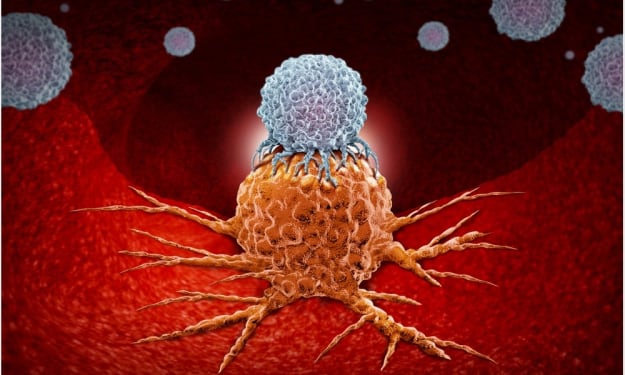
Researchers from the University of North Carolina School of Medicine have made significant strides in understanding a key immune pathway, cGAS-STING, and its role in detecting DNA damage leading to programmed cell death. Their findings, published in Nature on Jan. 10, suggest that stimulating this pathway could effectively suppress tumor growth, providing potential avenues for cancer therapy and prevention. Insight into Cancer Resistance Mechanisms Dr. Gaorav Gupta, the lead researcher, highlighted the inadequately understood resistance of cancers to radiotherapy and chemotherapy. He emphasized the importance of disrupting a cell's ability to activate innate immune responses to DNA damage as a potential cancer resistance mechanism. Gupta suggested that strategies focusing on reactivating these pathways might offer a way to overcome treatment resistance. Focus on cGMP and MRE11 Interactions The researchers centered their work on the interactions between an immune system enzyme, cyclic GMP-AMP synthase (cGMP), and a molecule called MRE11. Cyclic GMP is known for sensing DNA damage in the cytosol of cells and stimulating the immune response. The study revealed that MRE11, primarily known for detecting broken DNA fragments, plays a crucial role in unlocking cGMP from histones, the proteins around which DNA is wrapped. This unlocking process allows cGMP to activate the immune response in the presence of broken DNA fragments. Dr. Gupta described this as an elegant solution for DNA sensing that both protects against unnecessary inflammatory activation and triggers activation in the presence of DNA damage. Implications for Breast Cancer Treatment In mouse models of breast cancer, the researchers observed that stimulating the interaction between MRE11 and cGMP suppressed tumor growth. This suppression occurred by activating the cGMP-STING pathway, leading to programmed cell death (necroptosis). These findings suggest two crucial points: first, that cancer cells may develop resistance to DNA-damaging treatments by turning off this pathway, and second, that reinstating it might prompt the immune system to eliminate cancerous cells. The researchers plan to explore these possibilities further in a clinical trial involving HER2-negative breast cancer patients. The trial will investigate whether the cGMP-STING necroptosis pathway is activated in response to therapies, including Merck & Co.'s PD1 inhibitor Keytruda, with or without radiation. Potential for Breast Cancer Prevention The study's findings also hint at the possibility of preventing breast cancer altogether. Theoretically, immune checkpoint blockers like PD1 inhibitors could stimulate necroptosis and suppress cancer development. However, this aspect wasn't tested in the current study. Dr. Gupta expressed the intention to explore these possibilities in preclinical breast cancer models, acknowledging that it is too early to determine whether this strategy could lead to future clinical trials for individuals at high risk of developing breast cancer. Challenges and Future Directions Despite the promising findings, several challenges hinder the translation of this research into new treatments. Improved tools to measure necroptosis in cancer samples and securing funding are notable obstacles. Dr. Gupta mentioned ongoing efforts to apply for grants supporting the investigation of how DNA damage-induced necroptosis can be augmented for breast cancer treatment and prevention. Breakthrough in Gene Editing: Prime Editing In a separate development, researchers achieved a groundbreaking milestone in gene editing. The study represents the first instance where the delivery of protein-RNA complexes was used to achieve therapeutic prime editing in an animal. Prime editing, touted as a more precise and potentially safer alternative to CRISPR, enables the alteration of base pairs without breaking both DNA strands or requiring DNA templates. Understanding Prime Editing vs. CRISPR While CRISPR functions like a versatile tool, capable of cutting, removing, and reinserting DNA sequences into the genome, prime editing operates more like a word processor's search-and-replace function. This precision in swapping out base pairs without the need for complex DNA restructuring distinguishes prime editing as a potentially safer gene editing tool. In conclusion, these research findings hold significant promise in advancing cancer treatment and prevention through the stimulation of immune pathways. The study on cGAS-STING provides insights into potential strategies to overcome cancer resistance mechanisms, while the breakthrough in prime editing opens new possibilities for more precise and safer gene editing approaches. Despite challenges, the researchers remain optimistic about the potential impact of their work on improving healthcare outcomes. Summary.. Researchers at the University of North Carolina School of Medicine discovered a promising immune pathway, cGAS-STING, that detects DNA damage and triggers programmed cell death. Published in Nature, their study suggests that activating this pathway could help suppress tumor growth, offering potential cancer treatment and prevention.Lead researcher Dr. Gaorav Gupta highlighted the mystery of how cancers resist radiotherapy and chemotherapy. Their work focused on the interaction between the immune enzyme cGMP and the molecule MRE11. They found that MRE11, known for detecting broken DNA, plays a key role in unlocking cGMP, allowing it to activate the immune response in the presence of DNA damage.In mouse models of breast cancer, stimulating this interaction suppressed tumor growth by activating the cGMP-STING pathway. This suggests a possible solution to cancer cells developing resistance to DNA-damaging treatments. The study hints at the potential for preventing breast cancer altogether, though more research is needed. Challenges include measuring necroptosis in cancer samples and securing funding. Additionally, another breakthrough involves prime editing, a precise gene editing method with potential advantages over CRISPR. These findings open new avenues for improving cancer treatment and genetic editing approaches.
By Nadeem Saifi3 years ago in Journal