apparel
The best corporate culture and workplace apparel; from what you should wear in the corporate office to the home office. The best apparel essentials for all of your office needs.
EU Backs Down on CSAM Scanning — But Apple Isn’t Off the Hook Yet
The EU recently stepped back from enforcing a strict law that would require companies to scan private messages and photos for CSAM — “child sexual abuse material.” This pause comes as legislators debate how to balance safety and privacy. But even with that retreat, the spotlight remains on Apple. Critics, privacy advocates, and regulators say Apple must still do more to protect children — without compromising user rights.
By Shakil Sorkar10 months ago in Journal
The Journal Keeper
M Mehran The first time I saw the journal, it wasn’t because I was looking for it. I was looking for something far less poetic—my phone charger. But life is strange that way. It rarely gives you what you ask for, only what you need. It was tucked beneath a loose floorboard in my grandmother’s attic, wrapped in a faded blue scarf. The leather was cracked, the edges feathered like pages that had been turned too often. There was no title on the cover. Just a small silver key hanging from a fraying ribbon. I should have put it back. I should have respected the privacy of someone who no longer had the choice to defend it. But grief makes us curious and loneliness makes us brave. So I opened it. The first page stopped me cold. “If someone I love is reading this, it means the world has already taken more than it should.” I sat down slowly on the dusty wooden floor. Sunlight spilled through the attic window in thin gold lines, the kind that make everything feel suspended—air, dust, time, and your heartbeat. My grandmother, who I always knew as calm, proper, and impossibly patient, had written a journal that didn’t sound like her at all. --- Most people think journals are quiet things—kept between pages and never meant to be spoken aloud. But hers was a storm. She wrote about dreams she never chased because she was too busy raising children. About music she wanted to learn but never had the time for. About being seventeen and standing on a train platform with a suitcase she never got to use. And then I reached the line that made my throat tighten. “I hope someone in our family learns to live before life becomes something they remember instead of something they’re inside of.” I closed the journal for a moment. Not because I wanted to—but because suddenly, I couldn’t breathe. I had been living the exact opposite of what she was asking. My own life was a checklist: Wake up. Work. Scroll. Sleep. Repeat. My childhood sketchbooks were empty. My passport unstamped. My dreams postponed because “maybe next year” felt safer than “right now.” I didn’t expect a journal written thirty years before I was born to feel like it was written for me. --- The second time I opened it, I wasn’t alone. My mother had come into the attic looking for her old photo albums. Instead, she found me—cross-legged, tear-stained, and holding the last words of a woman she missed more than she admitted. She sat beside me, and for a long time we didn’t say anything. Finally, she whispered, “I didn’t know she wrote.” “She didn’t,” I said softly. “Not like this.” I handed her the journal, and she held it the way people hold fragile things—not because they might break, but because they already have. We spent the whole afternoon reading it together. Sometimes we laughed—my grandmother complaining about my grandfather’s habit of talking to the television. Sometimes my mother wiped tears before they fell, pretending she had dust in her eyes. But there was one entry none of us were prepared for. --- “If you ever feel lost, start keeping your own journal. Not the kind that records what you did, but the kind that reveals who you are.” She wrote that every person has two lives: The one they live publicly, and the one they write privately. And the second one—the written one—was the truer of the two. My grandmother had never said anything that bold out loud. She spoke softly, lived quietly, and left the room before anyone noticed she had been there. But here, in ink, she was loud and certain and awakened. I realized then that journals aren’t meant to store memories. They’re meant to release them. --- That night, after we finally came down from the attic, I did something I hadn’t done since I was twelve. I bought a journal. Not a digital one, not a notes app—an actual notebook with rough-cut pages and a spine that cracked when it opened for the first time. The page stared at me like a mirror. Blank. Honest. Patient. I didn’t write what I did that day. I wrote what I felt: That I was afraid of wasting my life. That I wanted to travel without waiting for permission. That I missed people I never said goodbye to properly. The pen moved slowly at first. Then faster. It felt like someone unclenched a fist inside my chest. I didn’t know that writing could feel like breathing. --- Weeks passed. My journal began filling with things I didn’t even know I believed—ideas, fears, tiny victories. I noticed small details again: the way rain sounds different on a Monday than on a Saturday. The taste of coffee when you aren’t drinking it in a hurry. My life didn’t suddenly become extraordinary—but it became mine. One evening, my mother knocked on my door. She was holding a journal of her own. “I thought,” she said awkwardly, “maybe it’s my turn.” And just like that, three generations were connected—not through blood, but through ink. --- Yesterday, I returned to my grandmother’s attic, the journal still wrapped in its blue scarf. I didn’t take it with me this time. Some stories aren’t meant to be carried. Some are meant to stay where they can keep teaching. But before I closed the floorboard, I added something inside the scarf: A letter. “I found your words. And I’m finally writing my own. Thank you for giving me a life I hadn’t started living yet.” I don’t know if anyone will ever find it. Maybe years from now, someone else will be searching for a phone charger and instead find a map back to themselves. Because that’s what journals are— Not a record of the past, but a doorway to the person we are still becoming.
By Muhammad Mehran11 months ago in Journal
A Smart Step Toward Better Wellness on Your Wrist
The Apple Watch is getting new health features soon, and these updates focus on simple, everyday wellness. Instead of flooding you with charts or medical terms, they offer gentle insights you can use in real life. Many people already wear the watch to count steps or check notifications. Now, it may help you notice shifts in your sleep, heart, and overall patterns before problems grow.
By Shakil Sorkar11 months ago in Journal
Apple CarPlay: A Calm Drive Without Distractions
Driving can feel hectic. Cars rush around you. Signs change quickly. Music, calls, and directions compete for attention. Many drivers use their phones while driving, not because they want to, but because information feels important in the moment. For me, this used to create stress. I tried to multitask, and it made driving harder. When I started using Apple CarPlay, I noticed something different. It did not add more things to do. It helped me remove distractions and keep my mind on the road.
By Shakil Sorkar11 months ago in Journal
Apple Reminders: A Calm Way to Stay on Track
Life moves fast. Plans change. Tasks slip through the cracks. Sometimes we try to control everything with complex tools. We build systems, schedules, and charts. But those tools can become stressful. They ask for more time than they save. I wanted something easier. That’s when I started using Apple Reminders in a simple way.
By Shakil Sorkar11 months ago in Journal
Apple Maps: Making Travel Calm and Simple
Travel can feel confusing. Roads twist. Signs change. GPS apps sometimes distract more than they guide. I used to get lost often, even on familiar streets. Directions felt urgent, and traffic updates became stressful. Then I started using Apple Maps differently. I did not try to push it to do everything. I let it help me in small ways.
By Shakil Sorkar11 months ago in Journal
Why Apple’s Focus Mode Makes Quiet Time Easier
Life moves fast. We balance work, friends, messages, plans, and endless notifications. It feels like there is always something waiting. Even when we want quiet time, our devices pull us back into activity. We hear a buzz and suddenly we are checking messages without thinking.
By Shakil Sorkar11 months ago in Journal
How Apple Photos Helps Us Hold On to Small Moments
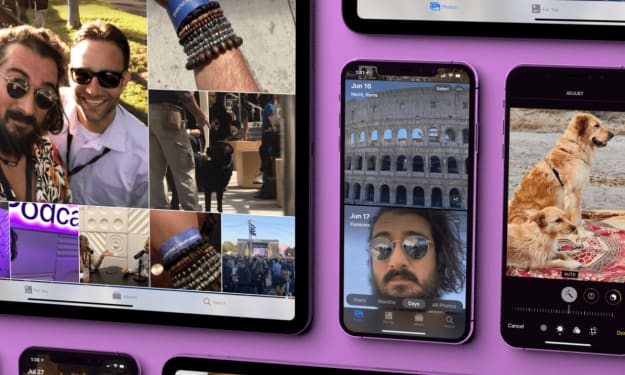
Life moves fast. We take pictures everywhere we go. We capture birthdays, meals, sunsets, and random moments that feel special only to us. But sometimes photos pile up and become messy. They turn into a long stream we never look at again. They become digital clutter instead of memories.
By Shakil Sorkar11 months ago in Journal
Apple in Schools: Learning That Feels Natural and Creative
When I think about school, I remember heavy backpacks, paper worksheets, and long hours copying notes from the board. Learning felt like collecting information, not understanding it. Today, schools use technology in different ways. Some tools make learning more complicated. Others make it easier and more enjoyable.
By Shakil Sorkar11 months ago in Journal
Apple CarPlay: A Calm Way to Travel Without Distractions
Driving can feel stressful. There are cars, lights, signs, and constant decisions. I want my phone to help me when I drive, not distract me. For a long time, I used my phone the old way. I held it while checking directions. I changed music at stoplights. I tried to answer calls while steering with one hand. None of that felt safe.
By Shakil Sorkar11 months ago in Journal
iPhone Privacy: A Quiet Way to Protect Your Personal Life
I keep a lot of personal information on my phone. My photos, messages, banking details, and even memories from years ago all live in one place. Sometimes that feels risky. If someone picks up my phone, they could see parts of my life I want to keep private. I don’t like that feeling.
By Shakil Sorkar11 months ago in Journal
Apple Wallet: A Simple Way to Carry Less
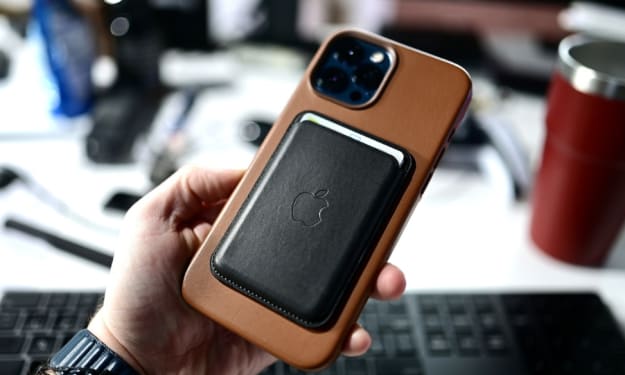
I like days when I leave the house with almost nothing. No bulky bag. No stack of cards. No loose papers tucked in pockets. Just my phone and a clear mind. For a long time, I could not do that because I needed so many small items. A bank card. A transit card. A ticket. A receipt. Something always slipped out or got lost.
By Shakil Sorkar11 months ago in Journal