
Switchboard Upgrades: A Simple Guide to Knowing When It's Time
What a switchboard upgrade actually involves, the warning signs to watch for, and how to make a safe, confident decision for your home or business.
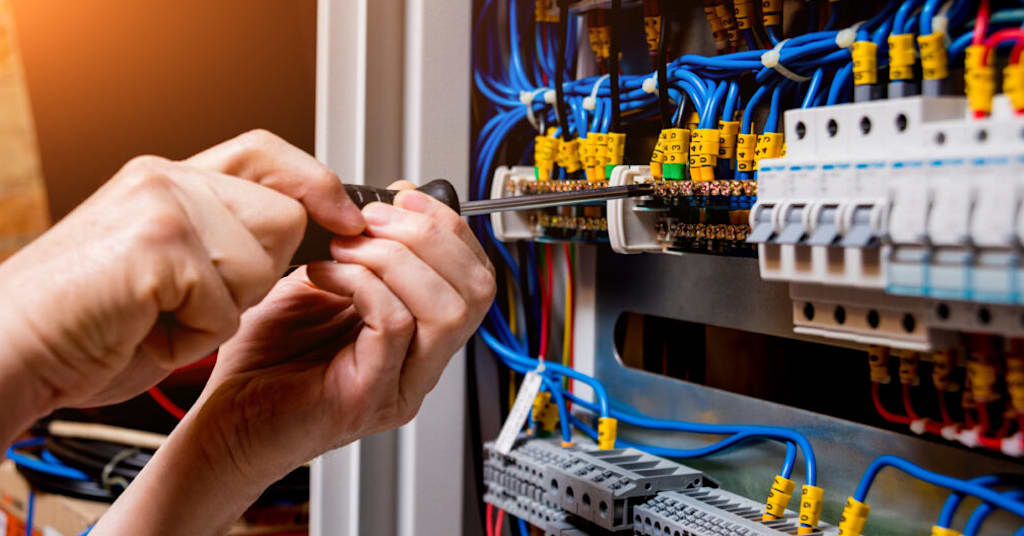
A switchboard upgrade means replacing your property's old electrical control panel with a modern one that can safely handle today's power demands. If your switchboard still uses ceramic fuses, trips constantly, or struggles when a few appliances run at once, that is usually the sign it needs upgrading. In short: an upgrade swaps outdated, risky parts for safer circuit breakers and safety switches that protect both your wiring and the people inside.
Now let's unpack what that really means, because the switchboard is one of those things almost nobody thinks about until it starts causing trouble.
What is a switchboard, and why does it matter so much?
Think of your switchboard as the heart of your electrical system. Every bit of power coming into your home or building passes through it before it travels out to your lights, ovens, air conditioners, and power points. The switchboard's job is to split that power into separate circuits and to cut the flow instantly if something goes wrong.
Older switchboards were built for a much simpler time. Decades ago, a typical home ran a fridge, a few lights, and maybe a television. Today the same house might run a dishwasher, a couple of air conditioners, a microwave, multiple chargers, and possibly an electric car charger. When an old board is asked to carry all that load, it gets stressed, and a stressed switchboard is a safety risk.
Clear signs your switchboard may need upgrading
You do not need to be an electrician to spot trouble. Here are the most common warning signs.
Your circuit breakers trip again and again. The occasional trip is normal. Tripping every week is your system telling you it cannot cope.
You still have ceramic fuses. These are the old-style fuses with little porcelain holders and wire inside. If you see these, your board is likely several decades old and missing modern safety features.
Your lights flicker or dim. When lights dim as an appliance switches on, it often means the board is struggling to distribute power evenly.
You notice a burning smell or scorch marks near the board. This is serious. Stop using the affected circuits and call a licensed electrician straight away.
You are renovating or adding big appliances. New ovens, ducted air conditioning, a pool pump, or an electric vehicle charger all draw significant power. An older board may simply not have the capacity.
There are no safety switches. Safety switches (also called RCDs) cut power in a fraction of a second if they detect a fault that could cause electrocution. If your board does not have them, you are missing one of the most important layers of protection available.
What actually happens during an upgrade?
A switchboard upgrade is more straightforward than many people expect, though it should only ever be done by a licensed professional. Generally it follows four stages.
First comes the assessment. The electrician inspects your existing board, checks your wiring, and works out what your property actually needs now and in the near future.
Second is preparation. Power is safely isolated, and the work area is made secure before anything is touched.
Third is the installation itself. The old board is removed and a new one fitted with modern circuit breakers and safety switches, often with room left for future additions.
Finally, everything is tested. A proper upgrade always ends with safety and compliance checks to confirm each circuit works correctly and the whole system meets current standards.
Most standard home upgrades can be completed within a day, though larger or more complex jobs naturally take longer.
What about "Level 2" electrical work?
You will often see switchboard upgrades mentioned alongside Level 2 work, and the two are connected but not identical. Level 2 work refers to jobs that involve the connection between your property and the wider electricity network. That includes things like installing or upgrading your meter, and connecting or disconnecting overhead or underground service lines. Not every electrician is authorised to do this; it requires a specially accredited Level 2 professional. So if your upgrade also touches the network connection, you will want someone qualified for both.
Is a switchboard upgrade worth it?
In almost every case, yes. A modern switchboard improves safety, reduces the risk of electrical fires, stops the frustration of constant tripping, and gives your property the capacity to handle modern living. It also tends to add value and peace of mind, especially if you are selling or leasing. When you weigh the cost against the risk of an electrical fault in an outdated system, an upgrade is one of the more sensible investments a property owner can make.
A few honest tips before you book
Always use a licensed electrician and ask to see their licence number. Get a clear written quote so there are no surprises. Ask whether the new board will have spare capacity for future needs like solar panels or an EV charger. And do not delay if you are seeing the serious warning signs, particularly burning smells or scorching, as these can point to an immediate hazard.
The bottom line
A switchboard upgrade is about more than convenience. It is about keeping the people and property you care about safe while making sure your electrical system is ready for how we actually live today. If your board is old, overloaded, or showing any of the warning signs above, having it assessed by a qualified electrician is a smart and worthwhile step. Your switchboard quietly does one of the most important jobs in your building, and looking after it pays off every single day.
About the Creator
Enjoyed the story? Support the Creator.
Subscribe for free to receive all their stories in your feed.
Comments
There are no comments for this story
Be the first to respond and start the conversation.