
Supply chain management systems, 10 companies you’ll probably look at when operations start getting messy
When operations grow faster than your systems, and small gaps turn into costly delays

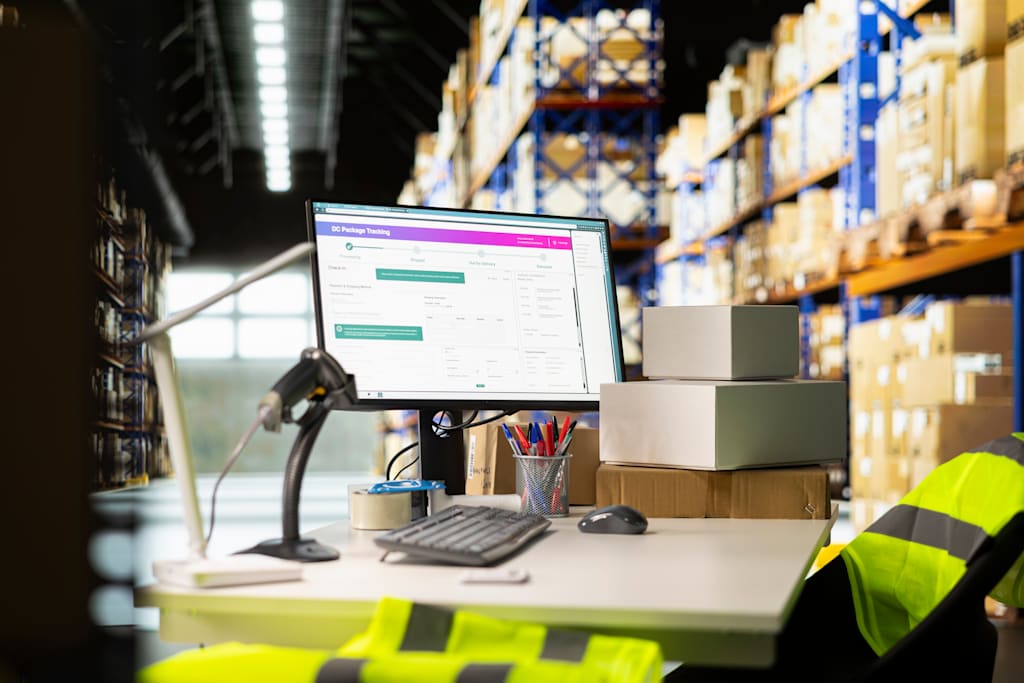
Most businesses don’t think about supply chain management systems early on.
At the start, things are manageable.
Orders are fewer.
Tracking can be done manually.
Teams somehow stay aligned.
Then things grow.
Suddenly:
- inventory doesn’t match reality
- deliveries get delayed without clear reasons
- different teams are working with different data
And that’s when it becomes obvious, the issue isn’t people, it’s the system.
I’ve seen a few companies hit that stage, and these are some names that usually come up when teams start fixing their supply chain setup.
Colan Infotech
From what I’ve seen, Colan Infotech usually gets involved when operations are already running but feel difficult to control. Data is spread across tools, processes are partly manual, and small delays create bigger issues.
Instead of jumping straight into building dashboards or tracking systems, they tend to start by understanding how the flow actually works, from order to delivery. Once that’s clear, they reshape the system around it. This kind of approach works better in supply chain setups, where structure matters more than just visibility.
Mojro
Mojro comes up a lot in logistics-heavy discussions, especially around route optimization and delivery efficiency.
I’ve seen teams struggle with last-mile delivery costs and unpredictable timelines, and that’s where tools like this fit. Their focus is usually on improving how goods move, not just tracking them.
For businesses handling frequent deliveries, even small improvements here can make a noticeable difference.
Antares Global
Antares Global is often considered when companies want more visibility across their supply chain. Not just tracking shipments, but understanding what’s happening at each stage.
I’ve seen setups where teams don’t realize delays until it’s too late, systems like this try to fix that by making data more accessible in real time. It’s useful when coordination between teams becomes a challenge.
Richa Software Technologies
Richa Software Technologies tends to work on building structured systems for businesses that are moving away from manual processes. I’ve seen companies rely heavily on spreadsheets for inventory and operations, and at some point that stops working.
Their approach is usually about putting a proper system in place so things don’t depend on manual tracking anymore.
Increpel Logistics
Increpel Logistics is more focused on the logistics side of supply chain operations. Their work usually involves managing transportation, improving delivery processes, and making sure movement of goods is more predictable.
This becomes important when logistics starts becoming the bottleneck instead of production or sales.
NYGGS
NYGGS often comes up in discussions around fleet management and tracking. I’ve seen businesses struggle with vehicle utilization, fuel tracking, and route planning.
Systems like this try to bring more control into those areas. It’s not just about knowing where vehicles are, but how efficiently they’re being used.
Ramco Systems
Ramco operates at a much larger scale compared to many others here. Their supply chain solutions usually fit enterprise-level businesses where operations are complex and spread across locations.
I’ve seen them used in setups where coordination between different regions and teams becomes critical. It’s a more structured and heavy approach, but necessary at that scale.
Brillio
Brillio is usually involved when supply chain systems are part of a bigger digital transformation effort. Not just fixing operations, but rethinking how data flows across the business.
I’ve seen cases where supply chain is tightly connected with analytics, customer experience, and forecasting, that’s where this kind of approach fits.
Perfios
Perfios is better known for financial data systems, but in some cases, their role connects with supply chain where financial tracking and operations overlap. I’ve seen businesses struggle to align operational data with financial reporting, and systems like this help bridge that gap. Not a direct supply chain tool, but relevant in certain setups.
TradeEdge
TradeEdge usually comes into play when companies need better coordination between distributors, retailers, and suppliers. I’ve seen situations where communication gaps cause delays or mismatches in inventory. Their systems tend to focus on improving that connection, making the flow of information smoother across the supply chain network.
One thing that keeps coming up in supply chain projects
It’s rarely just about tracking.
Most businesses already have some visibility.
The real problem is:
- disconnected systems
- delayed information
- and decisions based on outdated data
If you’re dealing with this right now
Before choosing a company, it helps to step back and look at:
- where delays actually happen
- how information flows between teams
- and what’s still being handled manually
Because the right supply chain management system isn’t the one with the most features
it’s the one that actually fits how your operations run.
About the Creator
Charles Adam
SEO Specialist and Content Marketer specializing in B2B SaaS. Expert Freelance Content Writer skilled in SEO blog writing and long-form articles. https://tinyurl.com/4227jmp7
Enjoyed the story? Support the Creator.
Subscribe for free to receive all their stories in your feed.
Comments
There are no comments for this story
Be the first to respond and start the conversation.