
Summer Survival Starts with Smart Water Storage
Why You Should Start Storing Water Now?

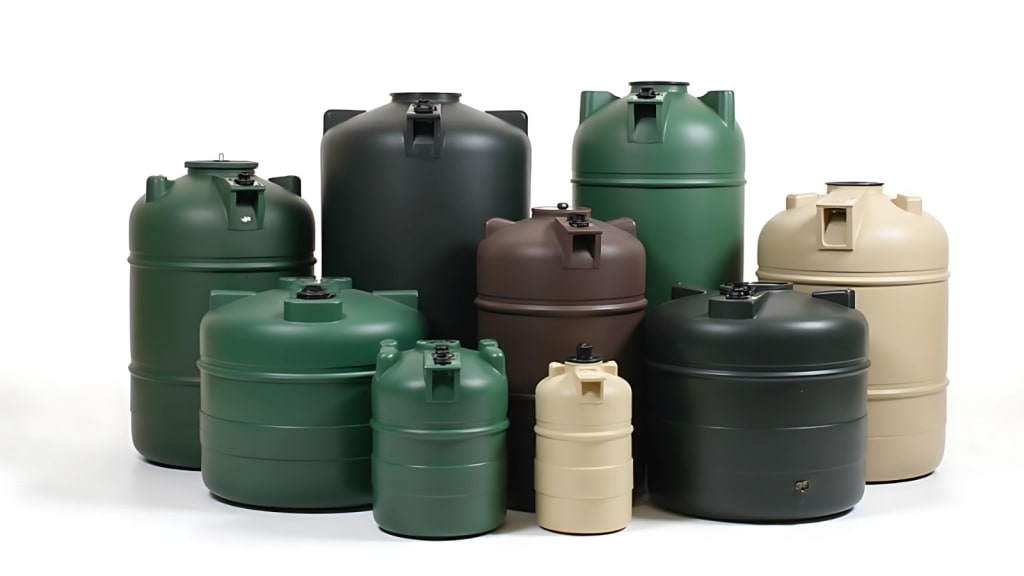
As temperatures begin to rise, the demand for water surges. Be it for drinking, cooking, or keeping gardens hydrated, water consumption tends to peak during the summer months. Unfortunately, this is also when water shortages and restrictions become more common. This is why summer becomes an essential season to have a reliable water storage solution in place.
While most people think about water conservation only when a crisis hits, the best time to prepare is before the heat wave arrives. Efficient water usage and proper storage can help you save money, reduce waste, and ensure you have access to clean water when you need it most.
If you’ve never considered setting up a water storage system, now is the time. Need to choose the right water storage containers to maximizing efficiency? This guide will give you practical, expert-backed solutions that go beyond the basics.
The Hidden Impact of Summer on Water Supply
It’s easy to assume that water scarcity is only a problem during droughts, but summer itself brings unique challenges. The demand for water skyrockets as people fill pools, water lawns, wash cars, and take extra showers. In some regions, municipal water systems struggle to keep up, leading to restrictions or pressure drops.
Additionally, evaporation rates increase. It leads to stored water, whether in reservoirs, home tanks, or even uncovered buckets, disappears faster than you think. This is why having a proper water storage solution isn’t just about having reserves but also about minimizing loss.
How to Store Water Efficiently for the Summer
A common mistake is assuming any container will do for storing water. Not all water storage containers are created equal. Using the wrong one could lead to contamination, evaporation, or spoilage. Here’s how to do it right:
1. Choose the Right Storage Containers
When selecting a water storage container, consider:
Material: Food-grade plastic, stainless steel, and glass are ideal. Avoid containers that could leach chemicals into the water, like certain low-quality plastics.
Size: If space allows, opt for a large-capacity water storage solution like a 55-gallon drum or an underground cistern. If space is limited, stackable water bricks or collapsible containers work well.
Sealing: Ensure containers are airtight to prevent contamination and evaporation.
Pro Tip: For outdoor storage, consider UV-resistant tanks to prevent algae growth.
2. Rainwater Harvesting: Smart and Sustainable
If you want to cut down on your utility bill and reduce waste, harvesting rainwater is a game-changer. During summer, brief storms can provide an excellent opportunity to collect and store water.
Install a rain barrel system under your gutter to capture runoff.
Use a first-flush diverter to filter out debris before it enters the tank.
Keep containers covered to prevent mosquito breeding and algae growth.
While not always safe for drinking without treatment, harvested rainwater is perfect for many things. Be it irrigation, cleaning, and even refilling outdoor features like fountains.
3. Stop Evaporation Before It Starts
Even if you store water, you may still be losing more than you realize due to evaporation. Here’s how to prevent it:
Use shaded storage: Keep containers in cool, dark places or cover them with reflective materials.
Invest in floating covers: If you have a large tank, a floating cover can significantly reduce evaporation.
Keep containers sealed: Minimize air exposure as much as possible.
For those with swimming pools, using a liquid pool cover (a biodegradable chemical film) can reduce water loss by up to 40%.
Cutting Water Waste Without Compromising Comfort
Beyond storing water, making smart use of every drop is crucial. Here are strategies that go beyond turning off the tap while brushing your teeth:
1. Reuse Water Where Possible
Greywater systems redirect used sink or shower water to irrigation. This is done to keep plants hydrated without waste.
Collect water from dehumidifiers or air conditioning units for cleaning or watering plants.
If you hand-wash dishes, place a basin in the sink to collect rinse water for other uses.
2. Upgrade to Water-Efficient Fixtures
Modern appliances can cut water use dramatically:
Low-flow showerheads reduce water use by up to 50% without sacrificing pressure.
Dual-flush toilets allow you to control how much water is used per flush.
Smart irrigation controllers adjust watering schedules based on weather conditions, preventing overuse.
Fact: A leaking toilet can waste up to 200 gallons of water per day. Fixing leaks is one of the easiest ways to conserve water.
3. Time Your Water Usage Wisely
The time of day you use water affects how much is wasted.
Water plants early in the morning or late in the evening to minimize evaporation.
Avoid running dishwashers and washing machines during peak hours when water demand is highest.
Take shorter showers. Cutting just 2 minutes off your shower time can save over 1,500 gallons per year.
Emergency Backup: Why Stored Water is a Must-Have
Summer isn’t just about heat; it also brings unpredictable storms, power outages, and even water main breaks. Having a water storage solution ensures you’re prepared for any disruption.
How Much Water Should You Store?
For drinking and cooking: 1 gallon per person per day.
For hygiene and cleaning: 2 additional gallons per person per day.
For pets: An extra half-gallon per pet per day.
If space is limited, consider a water storage container with a built-in filtration system. This way, even if your stored water runs out, you can safely purify other sources.
Make Every Drop Count This Summer
Water storage isn’t just for emergencies. It’s a smart, sustainable habit that helps you save money, reduce waste, and ensure you always have a steady supply. By choosing the right water storage containers and optimizing usage, you can make a real difference this summer.
Start preparing now, and when the heat wave arrives, you’ll be ready. Not scrambling to conserve water when it’s too late.
Would you like more recommendations on specific water storage solutions? Let us know in the comments!
https://www.sintexonline.com/
About the Creator
Ketan Kumar
Ketan Kumar is an SEO specialist and content strategist with over 4 years of experience in optimizing websites for higher search rankings and engagement.
Enjoyed the story? Support the Creator.
Subscribe for free to receive all their stories in your feed.
Comments
There are no comments for this story
Be the first to respond and start the conversation.