
Stevia Market: Sugar-Free Revolution
How Biotech Fermentation is Unlocking a $1.7 Billion Sweetener Market

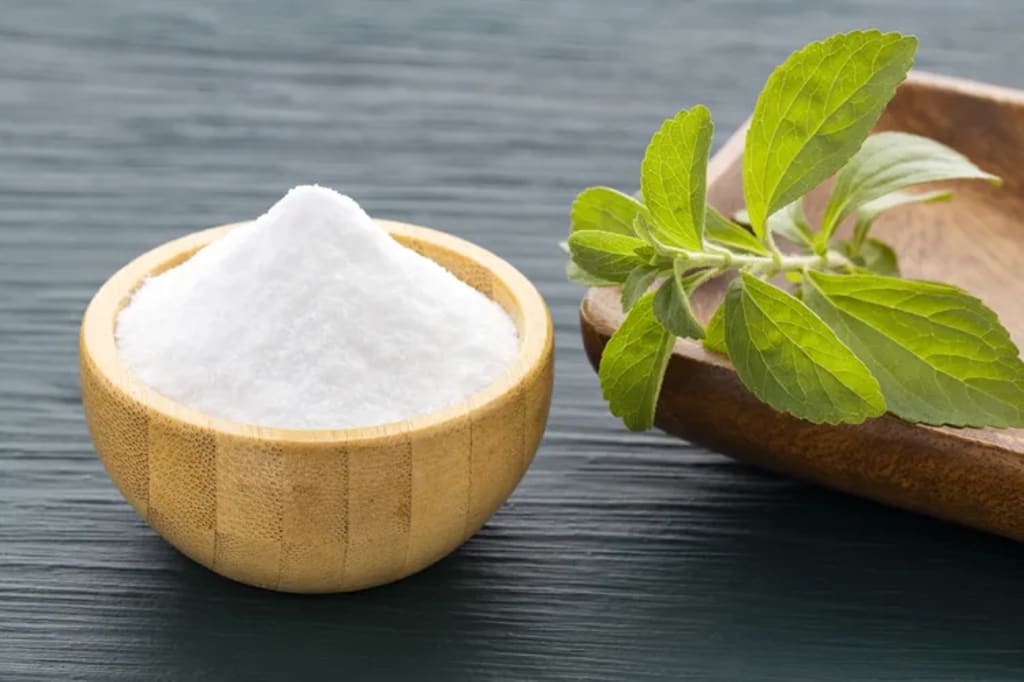
I’ve started noticing a significant change in my morning routine and supermarket run lately. It wasn't that long ago that choosing a sugar substitute meant tearing open a pink, blue, or yellow packet of artificial chemicals that often left a distinct, metallic aftertaste in my coffee. But today, the grocery aisles are filled with natural, plant-based alternatives. From zero-sugar sodas that actually taste like real cola to sports drinks and clean-label yogurts, a new generation of natural sweetness is taking over. It seems our collective search for a healthier lifestyle has officially ushered in the era of advanced, leaf-derived sugar alternatives.
This personal shift reflects a major transformation across the global ingredient sector. According to the latest data from Mordor Intelligence, the stevia market size is expected to grow from USD 0.93 billion in 2025 to USD 1.03 billion in 2026. Propelled by shifting consumer demands and technological breakthroughs, it is forecast to reach USD 1.71 billion by 2031, expanding at a rapid 10.62% CAGR.
The Precision Fermentation Breakthrough
For years, the mainstream adoption of stevia faced a persistent hurdle: taste. The traditional, most abundant compound extracted from the stevia leaf (Rebaudioside A, or Reb A) often carries a bitter, licorice-like aftertaste that can alter the flavor profile of food and beverages. While superior molecules like Reb M possess a clean, sugar-like sweetness with zero aftertaste, they exist in less than 1% of the actual stevia leaf, making traditional agricultural extraction incredibly expensive.
In 2026, the industry is overcoming this agricultural bottleneck through biotech precision fermentation. By utilizing engineered yeast to cultivate high-purity Reb M in a laboratory setting, manufacturers are slashing production costs while bypassing the resource-intensive farming loop. Recent regulatory milestones, such as the FDA’s expanded GRAS (Generally Recognized as Safe) approvals for steviol glycosides, have further solidified market trust, paving the way for beverage giants to reformulate their core product lines at a commercial scale.
Format Innovation: Beyond the Powder
While traditional powder formats continue to dominate the manufacturing landscape, accounting for roughly 95% of the market share due to their ease of storage and long shelf life, liquid solutions are carving out an aggressive growth path.
Historically, liquid stevia forms faced stability and blending challenges in cold or highly acidic food formulations. However, new solubility technologies have solved these issues, allowing liquid stevia to gain significant traction among beverage processors who require rapid, uniform blending on high-speed bottling lines. Simultaneously, while conventional stevia remains heavily cost-driven, a surging consumer demand for sustainability is pulling a highly profitable organic variant segment along with it, growing at more than 11% annually.
Regional Dominance and Supply Chain Resilience
From a geographical perspective, the Asia-Pacific region remains the anchor of the global stevia industry.
China's Production Prowess: China continues to dominate global raw material cultivation and primary processing, leveraging scaled agricultural infrastructure and a highly skilled labor pool.
Import Acceleration: At the same time, regional market expansion is being driven by rising domestic consumption and a boom in zero-sugar product manufacturing across India, Japan, and Southeast Asia.
However, relying entirely on a single agricultural hub leaves the industry vulnerable to supply chain shocks. Climate volatility, including unpredictable monsoons and temperature fluctuations in key growing regions, has made crop yields less dependable. This environmental pressure is an additional catalyst driving multinationals away from purely field-grown crops and toward bio-converted and fermented options to secure a stable, predictable, and scalable global supply.
A Fragmented Competitive Landscape
A dynamic balance between corporate giants and agile innovators defines the competitive landscape in 2026. We are seeing a period of moderate consolidation in which established ingredient multinationals leverage their massive patent portfolios, regulatory expertise, and global distribution networks to maintain market leadership.
Yet, this consolidation coexists with a wave of nimble biotech entrants. These startups are focusing entirely on refining the synthesis of rare glycosides, driving a fast-paced environment where the ability to deliver clean taste at a lower cost determines market victory. It is an evolving market that rewards players who can blend scientific innovation with absolute flavor clarity.
Final Thoughts: A Healthier, Sweeter Horizon
As the market marches toward that USD 1.71 billion milestone in 2031, stevia has graduated from a niche health-food substitute into a primary tool for global sugar reduction. It reflects a world where choosing health no longer requires us to sacrifice the simple pleasure of a great-tasting drink.
The next time you enjoy a zero-sugar beverage or look at a clean-label product, take a moment to consider the bio-tech and agricultural journey behind it. Whether it is sustainably farmed in Asia-Pacific or precisely cultivated through advanced fermentation, that hint of sweetness is part of a multi-billion dollar evolution that is making our global food system a little healthier, a little smarter, and a whole lot sweeter.
About the Creator
Harvey Specter
I am passionate about Food & Beverage, Ag, & Animal Nutrition companies. I help organizations unlock their data's potential and fuel business growth. My expertise transforms raw data into actionable insights for strategic decisions.
Enjoyed the story? Support the Creator.
Subscribe for free to receive all their stories in your feed.
Comments
There are no comments for this story
Be the first to respond and start the conversation.