
Standard Deduction 2025: Everything Taxpayers Need to Know
Whether you are filing as single, married, head of household, or a senior taxpayer, knowing the updated deduction amounts and eligibility requirements can help maximize savings and avoid filing mistakes.
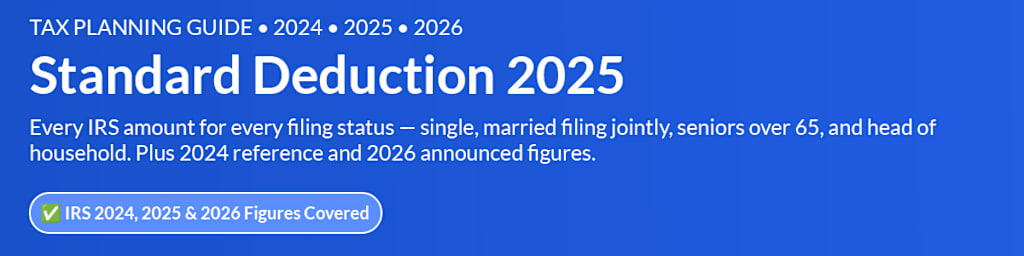
The standard deduction 2025 is one of the most important tax benefits available to taxpayers in the United States. It reduces taxable income, simplifies tax filing, and helps individuals and families lower their overall tax burden. Every year, the IRS adjusts standard deduction amounts to account for inflation, making it essential for taxpayers to stay updated on the latest figures and rules.
For the 2025 tax year, understanding how the standard deduction works can help taxpayers make smarter financial and tax planning decisions.
What Is the Standard Deduction?
The standard deduction is a fixed dollar amount that taxpayers can subtract from their adjusted gross income (AGI) before calculating taxable income. Instead of tracking and claiming individual deductible expenses, taxpayers can choose the standard deduction for a simpler filing process.
The IRS allows taxpayers to choose between:
- Taking the standard deduction
- Itemizing deductions
Most taxpayers choose the standard deduction because it is easier, faster, and often provides greater tax savings than itemizing.
Standard Deduction Amounts for 2025
The IRS adjusts deduction limits annually for inflation. While official IRS numbers may still be subject to final confirmation, estimated 2025 standard deduction amounts are expected to increase slightly compared to previous years.
Estimated deductions for 2025 may include:
Filing Status Estimated Standard Deduction 2025
- Single Around $15,000
- Married Filing Jointly Around $30,000
- Head of Household Around $22,000
- Married Filing Separately Around $15,000
Additional deductions may apply to taxpayers who are:
- Age 65 or older
- Blind
These additional deductions can further reduce taxable income and increase overall tax savings.
Why the Standard Deduction Matters
The standard deduction directly lowers taxable income. A lower taxable income means a lower tax bill.
For example, if a taxpayer earns $70,000 annually and claims a $15,000 standard deduction, taxes are calculated only on $55,000 of taxable income instead of the full salary amount.
This deduction benefits millions of taxpayers by:
- Simplifying tax filing
- Reducing tax liability
- Eliminating the need to track deductible expenses
- Saving time during tax preparation
Standard Deduction vs Itemized Deductions
Taxpayers can choose either the standard deduction or itemized deductions, but not both.
Standard Deduction
This option uses a fixed deduction amount based on filing status. It is simpler and requires less documentation.
Itemized Deductions
Itemizing allows taxpayers to deduct eligible expenses individually, such as:
- Mortgage interest
- State and local taxes
- Medical expenses
- Charitable donations
Taxpayers usually itemize only if total deductions exceed the standard deduction amount.
For many households in 2025, the standard deduction will remain the better and simpler choice.
Who Can Claim the Standard Deduction?
Most taxpayers are eligible for the standard deduction. However, there are some exceptions.
- You may not qualify for the full standard deduction if:
- You are married filing separately and your spouse itemizes deductions
- You are a nonresident alien
- You are filing a short tax year return due to a change in accounting periods
- Someone else can claim you as a dependent
Dependent taxpayers may receive a reduced standard deduction based on earned income.
Additional Standard Deduction for Seniors
Taxpayers aged 65 or older can usually claim an additional deduction amount. This extra benefit helps retirees and senior citizens reduce taxable income further.
For married couples where both spouses are over 65, the combined additional deduction can significantly lower taxes.
Visually impaired taxpayers may also qualify for additional deduction amounts under IRS rules.
How the Standard Deduction Affects Tax Planning
The standard deduction plays an important role in year-round tax planning. Knowing how much income is shielded from taxes can help taxpayers:
- Estimate annual tax liability
- Adjust paycheck withholding
- Plan retirement withdrawals
- Determine quarterly estimated tax payments
- Evaluate charitable giving strategies
Tax professionals often recommend reviewing tax situations early in the year instead of waiting until filing season.
Common Mistakes Taxpayers Should Avoid
Although the standard deduction simplifies tax filing, mistakes can still occur.
Choosing the Wrong Filing Status
Incorrect filing status can result in claiming the wrong deduction amount.
Missing Additional Deductions
Senior taxpayers and blind individuals sometimes overlook extra deductions they qualify for.
Itemizing When It Is Not Beneficial
Some taxpayers spend unnecessary time tracking expenses even when the standard deduction offers higher savings.
Incorrect Dependent Claims
Dependents have different deduction rules, and errors can trigger IRS notices or delays.
Reviewing IRS guidelines carefully or working with a tax professional can help avoid these issues.
Standard Deduction and Small Business Owners
Self-employed individuals and small business owners can also claim the standard deduction on personal tax returns. However, business expenses are still deducted separately through Schedule C or other business tax forms.
This means business owners may benefit from:
- Business expense deductions
- Qualified business income deductions (if eligible)
- The standard deduction simultaneously
Proper tax planning can help maximize all available deductions.
Tax Filing Tips for 2025
To make the most of the standard deduction in 2025, taxpayers should:
- Review updated IRS deduction limits
- Confirm correct filing status
- Keep income documents organized
- Evaluate whether itemizing makes sense
- Adjust Form W-4 withholding if needed
- Consult a tax professional for complex tax situations
Preparing early can reduce stress and help avoid filing errors during tax season.
Conclusion
The standard deduction remains one of the most valuable tax benefits for individuals and families in 2025. It simplifies tax filing, lowers taxable income, and helps taxpayers keep more of their earnings.
As IRS deduction amounts continue to adjust for inflation, understanding the latest rules and limits is essential for effective tax planning. Whether you are a first-time filer, a retiree, or a business owner, knowing how the standard deduction works can help you make smarter financial decisions and reduce your overall tax burden.
Staying informed about 2025 tax updates will ensure a smoother filing process and help maximize potential tax savings.
About the Creator
KMK Ventures
KMK Ventures Private Limited is a leading outsourced accounting and tax solutions company serving clients across the USA since 2007.
Enjoyed the story? Support the Creator.
Subscribe for free to receive all their stories in your feed.
Comments
There are no comments for this story
Be the first to respond and start the conversation.