
South Korean Garment Maker to Shut Java Factory After Years of Losses
PT Samwon Busana Indonesia will permanently close its Jepara facility on August 1, affecting approximately 680 workers, as the company continues to grapple with post-pandemic financial pressures.

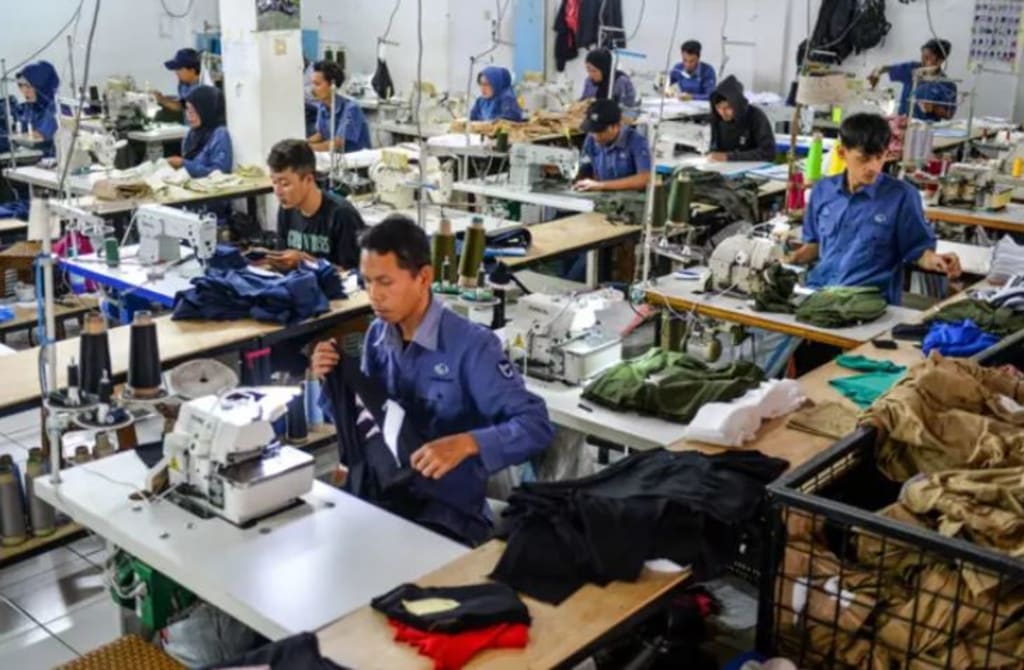
JAKARTA: South Korean-owned garment maker PT Samwon Busana Indonesia will permanently shut its factory in Jepara, Central Java, on August 1, affecting around 680 workers, as it has been grappling with losses since the coronavirus pandemic. The company is expected to continue operating another business unit in Semarang, Central Java, signaling a restructuring rather than a complete withdrawal from the Indonesian market.
The impending closure highlights the ongoing challenges facing Indonesia's garment industry, which has been under pressure from weak demand, rising production costs, and intensifying competition from other manufacturing hubs in the region.
Restructuring, Not Full Withdrawal
Industry Ministry spokesman Febri Hendri Antoni Arif moved to clarify the company's intentions, emphasizing that the shutdown of the Jepara unit does not represent a full exit from Indonesia.
"We would like to clarify that PT Samwon Busana Indonesia is not leaving Indonesia or shutting down entirely, but is restructuring operations at its Jepara unit," Febri said in a statement on Tuesday.
The company, which began operations in Indonesia in 2015, had a workforce of approximately 2,200 before the Covid-19 pandemic. The decision to close the Jepara facility reflects the severe financial strain the company has faced in recent years, with losses mounting since the global health crisis disrupted supply chains and suppressed consumer demand for apparel.
Government Intervention and Worker Protections
The Industry Ministry has indicated it will summon the company's management to clarify the reasons behind the Jepara unit's losses, the fulfillment of workers' rights, and plans to transfer orders and machinery to the Semarang facility. The ministry will coordinate with the Manpower Ministry to oversee the resolution of industrial relations issues and ensure severance payments and other worker entitlements are handled fairly and transparently in line with Indonesian law.
At the same time, the government will work with the Industry Ministry's Industrial Human Resources Agency, the Indonesian Textile Association, the Indonesian Employers Association, and other garment companies in Central Java to identify opportunities for laid-off workers. The government also plans to approach the company's headquarters in South Korea to maintain its long-term investment commitment in Indonesia and engage with major American buyers to encourage them to keep garment orders in Indonesia rather than shift them to competing countries.
"We are taking steps to protect the affected workers while maintaining the investment climate and the sustainability of Indonesia's garment industry," Febri said.
Industry-Wide Pressures
The closure of the Jepara factory comes at a challenging time for Indonesia's garment sector. The industry has faced a confluence of headwinds, including:
Weak Global Demand: Post-pandemic consumer spending has been uneven, with many markets still recovering from inflationary pressures and economic uncertainty.
Rising Production Costs: Increases in raw material prices, energy costs, and labor expenses have squeezed profit margins for manufacturers.
Intensifying Competition: Countries such as Vietnam, Bangladesh, and India have emerged as increasingly competitive alternatives for garment production, offering lower costs or more favorable trade agreements.
These pressures have forced many manufacturers to reevaluate their operations, consolidate facilities, or shift production to more cost-effective locations.
Impact on Local Communities
The closure will have significant implications for the Jepara community, where the factory has been a major employer since 2015. Approximately 680 workers will be affected, and the loss of these jobs will ripple through the local economy, affecting suppliers, service providers, and families dependent on the factory's operations.
The government's commitment to helping laid-off workers find new employment opportunities within the garment sector is a critical component of its response. However, the success of these efforts will depend on the willingness of other manufacturers in Central Java to absorb displaced workers and the broader health of the regional garment industry.
Looking Ahead
While the Jepara factory closure represents a setback for Indonesia's garment sector, the government's proactive engagement with the company, workers, and industry stakeholders suggests a commitment to mitigating the impact and preserving the country's position as a major garment manufacturing hub.
The ministry's plans to engage with the company's South Korean headquarters and American buyers underscore the importance of maintaining strong international partnerships to sustain investment and order volumes. However, addressing the structural challenges facing the industry, including cost competitiveness, productivity, and supply chain resilience, will require sustained effort from both the government and private sector.
The impending closure of PT Samwon Busana Indonesia's Jepara factory is a stark reminder of the challenges facing Indonesia's garment industry in a post-pandemic world. While the company's decision to maintain its Semarang operations offers some reassurance that it is not abandoning the country entirely, the loss of 680 jobs represents a significant blow to the local community and a warning sign for the broader sector.
As the government steps in to facilitate worker transitions and engage with stakeholders, the focus must remain on addressing the underlying issues that have made Indonesian garment manufacturing increasingly vulnerable to global competition. The future of the industry will depend on its ability to adapt, innovate, and remain competitive in an ever-changing global marketplace.
About the Creator
Mark Lim
Hi I am mark an automotive student and a car, tech and food enthusiast ! Im gonna try and post daily & hope you enjoy what I write and do share my page with people you know. I would gladly appreciate it! Cheers
Enjoyed the story? Support the Creator.
Subscribe for free to receive all their stories in your feed.
Comments
There are no comments for this story
Be the first to respond and start the conversation.