
Solar Module Manufacturing Plant Setup 2025: A Complete Guide for Business Plan
As the global shift to renewable energy accelerates, solar power is proving to be a reliable, environmentally sound, and scalable solution.

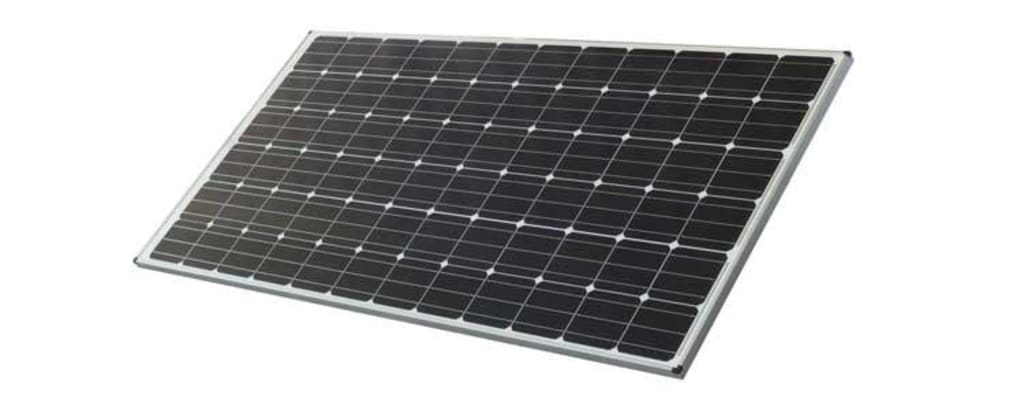
With the global transition to renewable energy picking up speed, solar energy is emerging as a dependable, eco-friendly, and scalable power solution. Central to this energy landscape are solar photovoltaic (PV) modules, which play a vital role in harnessing sunlight for electricity. Establishing a facility to manufacture these modules represents a forward-looking business venture, offering significant long-term growth prospects. However, success in this field requires detailed planning, significant investment, and a deep understanding of the manufacturing process and industry standards. This article outlines the key steps involved in establishing a solar module manufacturing facility, including capital investment, operating costs, and business planning.
Industry Outlook and Market Opportunity
The solar module industry has witnessed robust growth over the past decade, fueled by declining PV costs, favorable government policies, and increasing demand for clean energy. Solar modules are essential in residential, commercial, and utility-scale solar installations. With global targets focused on reducing carbon emissions, the demand for domestically produced, high-efficiency solar modules is rising.
Manufacturers entering this market can benefit from long-term power purchase agreements (PPAs), government incentives, and strong domestic and export demand.
Solar Module Manufacturing Business Plan
A well-structured business plan is vital for launching and scaling a solar module manufacturing venture. It helps define strategic goals, attract investors, and guide operational execution. Key components of the business plan include:
Executive Summary
Business objectives and production targets
Market positioning and unique value proposition
Investment highlights and potential returns
Market Analysis
Current demand and projected growth in solar adoption
Competitive landscape and key players
Regulatory and subsidy frameworks
Technology and Product Scope
Choice of solar technology (monocrystalline, polycrystalline, thin-film, etc.)
Product range and specifications (wattage, efficiency, durability)
Intellectual property or R&D focus (if applicable)
Manufacturing Strategy
Plant layout and workflow design
Integration level (cell-to-module or module assembly only)
Quality control and process automation
Sales and Distribution
Target customers: EPC contractors, distributors, solar developers
Domestic and international market access strategy
After-sales service and warranty models
Request for a Sample Report: https://www.imarcgroup.com/solar-module-manufacturing-plant-project-report/requestsample
Steps to Set Up the Plant
Site Selection and Infrastructure Development
Identify a location with industrial zoning, logistics access, and stable utilities
Design the facility to accommodate module production lines, testing labs, storage, and offices
Allocate space for raw material handling, cleanrooms, and environmental controls
Machinery and Equipment Procurement
Setting up a solar module plant requires advanced equipment for precision manufacturing. Key machinery includes:
Glass washing and cutting machines
Cell stringing and tabbing machines
Laminators and framing machines
IV testers and electroluminescence (EL) testers
Solar simulator and flash testers
Packing and quality assurance stations
Machinery selection should align with the desired level of automation and production capacity.
Regulatory Compliance and Certification
Obtain business licenses and industrial approvals
Adhere to international and local standards (such as IEC, BIS, and ISO certifications)
Implement quality assurance systems for traceability and product validation
Capital Investment
Establishing a solar module manufacturing plant involves considerable capital investment. Major areas of expenditure include:
Land acquisition or lease agreements
Civil construction and factory setup
Procurement and installation of machinery
Initial raw material procurement (glass, EVA, backsheet, cells, etc.)
ERP systems and automation software
Hiring and training staff
Certification and testing costs
The capital investment required varies based on plant capacity, automation level, and integration depth (whether the plant also manufactures solar cells or sources them externally).
Operating Cost Structure
Once the plant becomes operational, several recurring costs must be managed to ensure efficient and profitable production. Major operating cost components include:
Raw Material Costs
Solar cells, tempered glass, EVA sheets, backsheet, junction boxes, and aluminum frames
Volatility in raw material prices can impact margins, requiring supply chain optimization
Labor and Workforce
Technicians for equipment operation, quality control, and maintenance
Administrative, logistics, and management personnel
Utilities
Electricity consumption, especially for lamination and drying equipment
Water usage for cleaning and cooling processes
Maintenance and Depreciation
Scheduled servicing of machinery
Replacement of worn-out components and upgrades
Quality Control and Testing
In-house testing of every module for performance and safety
Compliance with warranty and reliability standards
Monitoring and optimizing these operational costs is key to maintaining competitive pricing and profitability.
Risk Factors and Mitigation
While the solar industry offers long-term promise, it also comes with risks such as:
Technological obsolescence
Fluctuating raw material costs
Regulatory changes or subsidy rollbacks
Market competition and price pressures
Risk mitigation strategies include diversifying suppliers, investing in R&D for product efficiency, and maintaining compliance with evolving standards.
Setting up a solar module manufacturing plant is a capital-intensive but highly rewarding venture in the context of global clean energy transitions. By developing a robust business plan, securing the right infrastructure, investing in efficient machinery, and managing operational costs effectively, businesses can establish a strong foothold in the solar value chain. With proper planning and execution, a solar module manufacturing plant can serve both domestic demand and international markets while contributing meaningfully to sustainability goals.
About the Creator
jamie cooke1296
IMARC Group is a global management consulting firm that helps the world’s most ambitious changemakers to create a lasting impact.
Enjoyed the story? Support the Creator.
Subscribe for free to receive all their stories in your feed.
Comments
There are no comments for this story
Be the first to respond and start the conversation.