
Solar Energy Companies: What They Do & How You Benefit
Understanding the Role of Solar Energy Companies and the Advantages of Going Solar
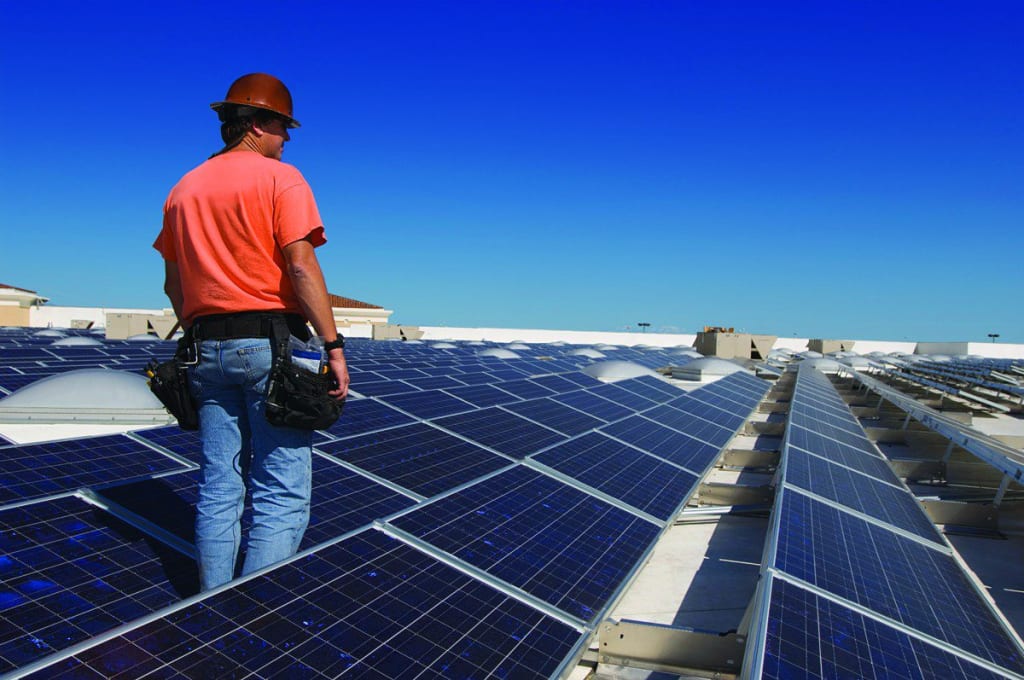
When I first considered solar panels, I Googled “DIY solar installation” and fell into a rabbit hole of wiring diagrams, permit applications, and confusing terms like solar inverters and panel dimensions. After weeks of stress, I hired a top solar energy company—and it was a game-changer. Here’s my honest journey, backed by data, mistakes, and the lessons I learned.
The DIY Trap: How My Neighbor’s Project Backfired
My neighbor tried installing his own solar panels to save money. He bought the cheapest equipment online, mismatched his solar panel size with his roof’s capacity, and ignored local shading. A year later, his system produced 40% less energy than promised.
When I worked with a best solar energy company, they used drone scans and 3D modeling to design a system tailored to my roof’s slope, sun exposure, and weight limits. According to the National Renewable Energy Laboratory (NREL), professional installations are 30% more efficient than DIY setups. Sometimes, “saving money” upfront costs more long-term.
Inverters Matter More Than You Think
I used to think solar panels did all the work—until I learned about solar inverters, the devices that convert sunlight into usable energy. Cheap inverters waste up to 15% of your energy. The best solar panel inverters for home use, like those from leading brands, operate at 97% efficiency and even track energy production via smartphone apps.
My installer paired my panels with a hybrid inverter and battery storage, so I could power my home during outages. They also ensured the inverter matched my solar panel dimensions and energy needs. A 2023 EnergySage report found that mismatched components are the top reason DIY systems underperform.
Why Solar Panels Aren’t One-Size-Fits-All
I almost bought the largest panels I could find, thinking “bigger = better.” But my installer warned me: oversized panels could strain my roof. Instead, they chose sleek modules with a solar panel length of 65 inches—perfect for my 1,800 sq. ft. roof.
They also analyzed my energy bills to design a system that covers 90% of my usage, avoiding overspending. For smaller roofs, they recommended high-efficiency panels (smaller solar panel size, higher output). The result? A system that’s powerful yet subtle.
Permits: The Hidden Headache of Solar Projects
Permitting almost made me quit. My city required engineering approvals, grid agreements, and inspections. My top solar energy company handled it all, even securing a 30% federal tax credit and a state rebate I didn’t know existed.
A SolarPower World study found 20% of DIY projects fail inspections due to code violations, like unsafe wiring or improper spacing. Pros know local laws inside out, saving you time, money, and frustration.
Long-Term Savings: More Than Just Lower Bills
Yes, hiring pros costs more upfront. But consider:
$1,300/year saved on electricity (a 60% drop for me).
$12,000+ in incentives I’d have missed navigating alone.
4.1% higher home value, per Lawrence Berkeley National Lab.
Over 25 years, that’s $50,000+ in savings and equity gains. Plus, my 25-year warranty covers everything from hailstorms to inverter issues. DIY systems? Most warranties vanish if you install them yourself.
Solar Power’s Silent Win: Helping the Planet
Beyond savings, I’m proud to reduce my carbon footprint. The EPA estimates my system cuts 3.6 tons of CO₂ yearly—equivalent to planting 90 trees. But a flawed setup wastes energy. By trusting experts, I ensure every ray of sunlight counts.
Final Thoughts: Skip the Stress, Reap the Rewards
Solar energy isn’t just panels on a roof—it’s precision engineering, legal know-how, and tech that evolves yearly. My best solar energy company turned confusion into confidence, and now I’m the neighbor who won’t stop talking about clean energy.
If you’re debating DIY vs. pro, ask yourself: Is saving a few bucks upfront worth 25 years of “what-ifs”? Let experts handle the solar panel installation, inverters, and solar panel dimensions. Your future self—and the planet—will thank you.
Sources: National Renewable Energy Laboratory (NREL), Solar Energy Industries Association (SEIA), EnergySage, U.S. Environmental Protection Agency (EPA).
About the Creator
Enjoyed the story? Support the Creator.
Subscribe for free to receive all their stories in your feed.
Comments
There are no comments for this story
Be the first to respond and start the conversation.