
Snack Foods Market: A $350 Billion Global Shift
From Mindless Munching to Purposeful Bites: Navigating the $350 Billion Global Shift in 2026

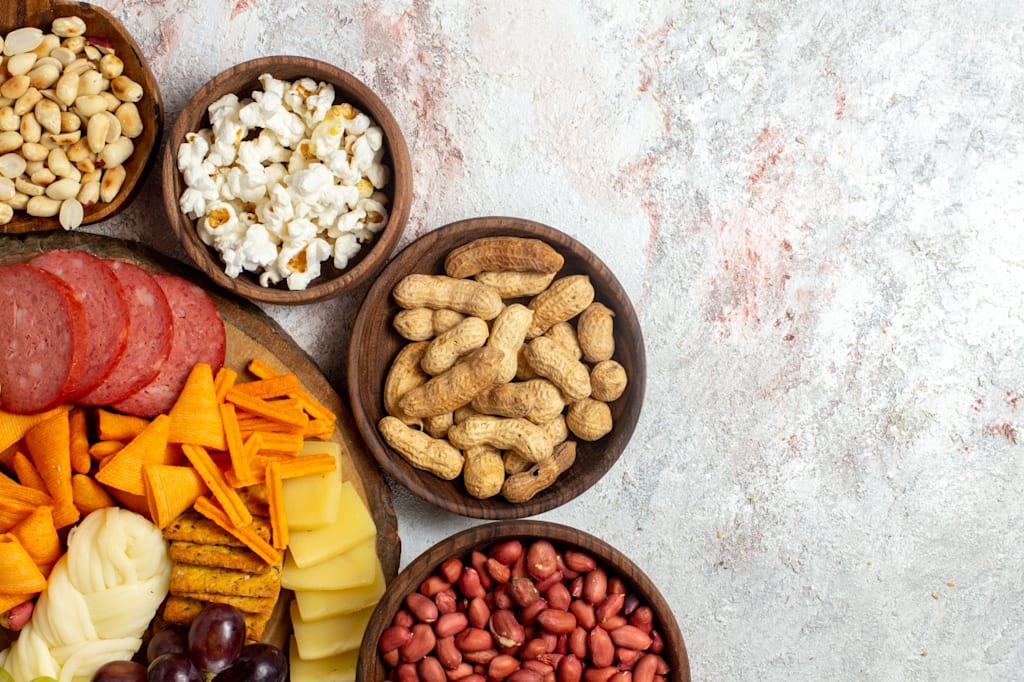
I’ve started noticing a subtle but undeniable change in my pantry's snack basket lately.
It wasn't that long ago that "snacking" meant tearing open a bag of greasy potato chips or grabbing a sugary candy bar during a mid-afternoon energy slump, options that usually left me feeling sluggish an hour later.
But walk into any neighborhood convenience store or browse a quick-commerce delivery app today, and the landscape is entirely different. The shelves are packed with air-popped popcorn seasoned with pink Himalayan salt, baked multigrain crisps, and protein-packed meat sticks. Snacking is no longer just a quick way to quiet a growling stomach; it has officially evolved into a deliberate, health-conscious ritual that frequently takes the place of traditional meals.
This personal observation aligns perfectly with a massive structural transformation in the global food industry. According to the latest data from Mordor Intelligence, the global snack foods market size is estimated at USD 292.01 billion in 2026, up from USD 280.24 billion in 2025. Propelled by changing consumer habits and rapid retail digitization, the market is forecast to reach a staggering USD 358.58 billion by 2031, expanding at a steady 4.2% CAGR.
The "Snackification" of Daily Life
The primary engine behind this multibillion-dollar expansion is the sheer convenience that snacks provide to our increasingly time-pressed lifestyles. The concept of the traditional three-course, sit-down meal is fading, particularly among urban working populations. A remarkable 92% of adults now report at least one snacking occasion within any given 24-hour period.
We are seeing a profound shift toward "snackification", where portable, individually portioned, and ready-to-eat options act as functional meal replacements. Consumers are no longer seeking empty calories; instead, they are demanding snacks rich in protein, fiber, and micronutrients that offer prolonged satiety and genuine nutritional value. This behavioral shift has forced brands to innovate rapidly, moving away from high-sodium formulations toward permissible indulgence.
The Quick-Commerce Revolution: Craving directly to Consumer
It isn't just what we are eating that has changed, but how we are getting it. Digital commerce, combined with the explosive rise of dark stores and quick-commerce (q-commerce) fulfillment models, has completely revolutionized route-to-market strategies for snack brands.
In major metropolitan areas, the expectation for delivery windows has shrunk from days to a mere 15 minutes. This ultra-fast logistical network favors agile snack manufacturers who can effectively manage high-demand SKUs and keep micro-fulfillment centers continuously stocked. By leveraging advanced data-driven personalization, online platforms can suggest specific functional snacks tailored to a user’s dietary preferences right at the digital checkout, expanding brand visibility in ways traditional brick-and-mortar endcaps never could.
Navigating the Regulatory Landscape: HFSS and Beyond
However, this rapid growth comes with heightened responsibility and a tightening web of global regulations. Governments worldwide are aggressively intervening to combat public health crises related to poor nutrition.
- HFSS Advertising Restrictions: Strict advertising frameworks aimed at curbing the promotion of products high in fat, salt, and sugar are forcing a massive wave of product reformulation. Brands can no longer rely on loud, colorful marketing campaigns targeted at youth demographics if their nutritional profile doesn't make the cut.
- Extended Producer Responsibility (EPR): On the environmental front, mandatory EPR regulations are holding manufacturers strictly accountable for the lifecycle of their packaging materials.
These twin pressures are driving heavy corporate investment into R&D. We are witnessing a structural pivot toward the creation of clean-label snack lines and innovative, low-impact packaging solutions, such as 100% recyclable pouches, oxygen-barrier films that extend shelf life naturally, and compostable wrappers.
Regional Engines and Material Trends
From a geographic standpoint, the global snack landscape is experiencing divergent, exciting growth patterns:
- Asia-Pacific: This region stands as the largest absolute contributor to global sales. Driven by a massive Gen Z population, rapid urbanization, and an intense preference for bold, localized flavor innovations (like limited-edition chili-squid or seaweed crisps), APAC continues to outpace traditional Western markets.
- Middle East & Africa: This region has emerged as the fastest-growing climber, recording an impressive 4.78% CAGR as modern retail infrastructure expands into previously underserved urban hubs.
In terms of product categories, savory snacks continue to hold the dominant market share, but alternative lines like frozen, plant-based, and meat snacks are logging the quickest incremental growth. Consumers are progressively seeking out brands that offer shorter ingredient lists, avoid synthetic dyes, and responsibly source their bioactives directly from growers.
Final Thoughts: A Smarter, Cleaner Snack Bowl
As the industry marches toward its USD 358.58 billion milestone in 2031, the snack food market serves as a brilliant blueprint for how traditional consumer products can be completely revitalized by modern, conscious values. It paints a picture of a future where convenience does not have to come at the expense of our physical health or the well-being of the planet.
The next time you pull a resealable pouch of wholesome crisps or an upcycled fruit bar out of your bag, take a moment to look past the taste. Consider the high-speed digital supply chain, the strict nutritional compliance, and the advanced material science embedded in that single, simple package. The global snack bowl is getting cleaner, smarter, and significantly more responsible, one delicious bite at a time.
About the Creator
Harvey Specter
I am passionate about Food & Beverage, Ag, & Animal Nutrition companies. I help organizations unlock their data's potential and fuel business growth. My expertise transforms raw data into actionable insights for strategic decisions.
Enjoyed the story? Support the Creator.
Subscribe for free to receive all their stories in your feed.
Comments
There are no comments for this story
Be the first to respond and start the conversation.