
Smoking and Dental Health: Impact on Toothaches
Toothaches

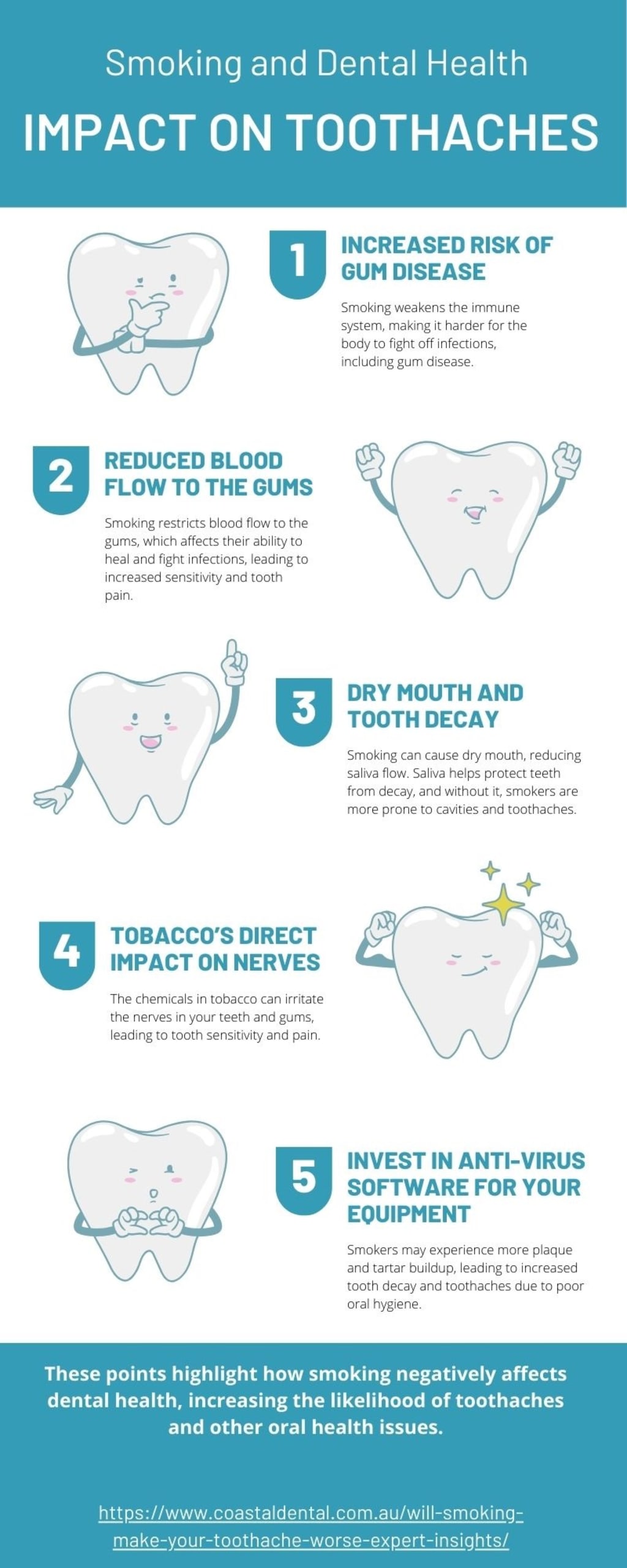
Smoking has long been known to harm overall health, but many people overlook its impact on oral health, especially when dealing with dental pain. If you’re suffering from a toothache, you might wonder: Does smoking make a toothache worse? The answer is yes. Smoking can aggravate tooth pain, slow down healing, and increase the risk of infections. In this article, we’ll explore how smoking affects dental pain and why it’s important to consider quitting, especially when facing dental issues.
How Smoking Causes Inflammation
Nicotine and other chemicals in cigarettes irritate the delicate tissues in your mouth. This irritation leads to inflammation, especially in areas where dental issues like cavities or gum disease are already present. The constant exposure to smoke can worsen the pain associated with a toothache, as inflamed tissues become more sensitive and prone to discomfort.
Increased Risk of Gum Disease
Smoking is one of the leading causes of gum disease, which is directly linked to tooth pain. The buildup of plaque and tartar is worsened by smoking, leading to infections in the gums (periodontitis). When gums are inflamed or infected, it puts pressure on the teeth, worsening existing pain or even creating new dental issues that increase discomfort.
Smoking Reduces the Effectiveness of Treatment
When you’re dealing with a toothache, professional treatment is often necessary. However, smoking can reduce the effectiveness of treatments such as antibiotics for infection, or even pain medications. Since smoking weakens the immune system, your body’s ability to fight off infections is compromised, making it harder for dental treatments to work efficiently. This means that smokers often experience prolonged pain compared to non-smokers.
Dry Mouth and Its Impact on Tooth Pain
Smoking contributes to dry mouth by reducing saliva production. Saliva plays a crucial role in washing away bacteria and neutralizing acids in the mouth. Without enough saliva, bacteria can thrive, leading to an increased risk of cavities and worsening any toothache you may have. A dry mouth environment makes it easier for dental infections to develop, which can intensify tooth pain.
Why Quitting Smoking Helps with Tooth Pain
Quitting smoking is one of the best ways to reduce the severity of toothaches and improve overall oral health. Without the harmful chemicals in cigarettes, your body can heal faster, inflammation decreases, and your immune system becomes stronger. For individuals dealing with chronic dental pain, quitting smoking can provide significant relief and improve the success rate of dental treatments. Even cutting down on smoking can make a noticeable difference in how quickly your toothache heals and how much discomfort you experience.
How Smoking Increases the Risk of Infection
Smoking compromises your body’s ability to fight infections, especially in the mouth. When you smoke, the blood flow to your gums and teeth is restricted, making it harder for your immune system to respond effectively to bacterial threats. This is particularly dangerous if you’re suffering from a toothache caused by an infection, such as an abscess. Infections around the tooth can spread more quickly in smokers, leading to increased pain and the need for more intensive dental treatments. If left untreated, these infections can result in more serious complications, including tooth loss or even spread to other parts of the body.
Delayed Healing After Dental Procedures
For those who have undergone dental procedures, such as extractions or root canals, smoking can have a detrimental effect on the healing process. Smokers are at a higher risk of developing complications like dry socket, which occurs when the blood clot in the tooth socket is dislodged, exposing nerves and bone. This condition is extremely painful and is far more common in smokers than in non-smokers. Additionally, because smoking reduces oxygen flow to the gums, healing after procedures is significantly slower, meaning that toothaches and related discomfort last longer for smokers.
Long-Term Effects of Smoking on Oral Health
Beyond the immediate impact on tooth pain, smoking has lasting effects on overall oral health. Chronic smoking can lead to gum recession, tooth loss, and even oral cancer, all of which contribute to increased pain and discomfort over time. The longer you smoke, the more damage you do to your teeth and gums, and the more likely you are to experience persistent toothaches. For those dealing with dental pain, quitting smoking is essential to prevent further damage and maintain oral health in the long term.
FAQs
- How does smoking affect tooth pain?
Smoking irritates the tissues in your mouth, leading to inflammation and increased sensitivity. It can also worsen existing dental issues, making tooth pain more severe.
- Can smoking cause gum disease?
Yes, smoking is a major risk factor for gum disease. It leads to plaque buildup and infection in the gums, which can contribute to toothaches and other dental problems.
- Does quitting smoking help relieve toothache?
Absolutely! Quitting smoking improves blood flow, enhances healing, and strengthens your immune system, which can significantly reduce tooth pain and support recovery from dental issues.
- How does smoking impact dental treatment effectiveness?
Smoking can reduce the effectiveness of treatments like antibiotics and pain medications. It weakens the immune response, making it harder for your body to heal after dental procedures.
- Is there a link between smoking and dental infections?
Yes, smoking increases the risk of infections in the mouth by impairing your immune system. This makes it easier for infections to develop and worsen tooth pain.
About the Creator
Enjoyed the story? Support the Creator.
Subscribe for free to receive all their stories in your feed.
Comments
There are no comments for this story
Be the first to respond and start the conversation.