
Smoke Detector for Deaf: Creating a Safer Home for Everyone
Ensure safety at home with specialized smoke alarms for the deaf and hearing impaired, designed to alert visually or through vibrations.
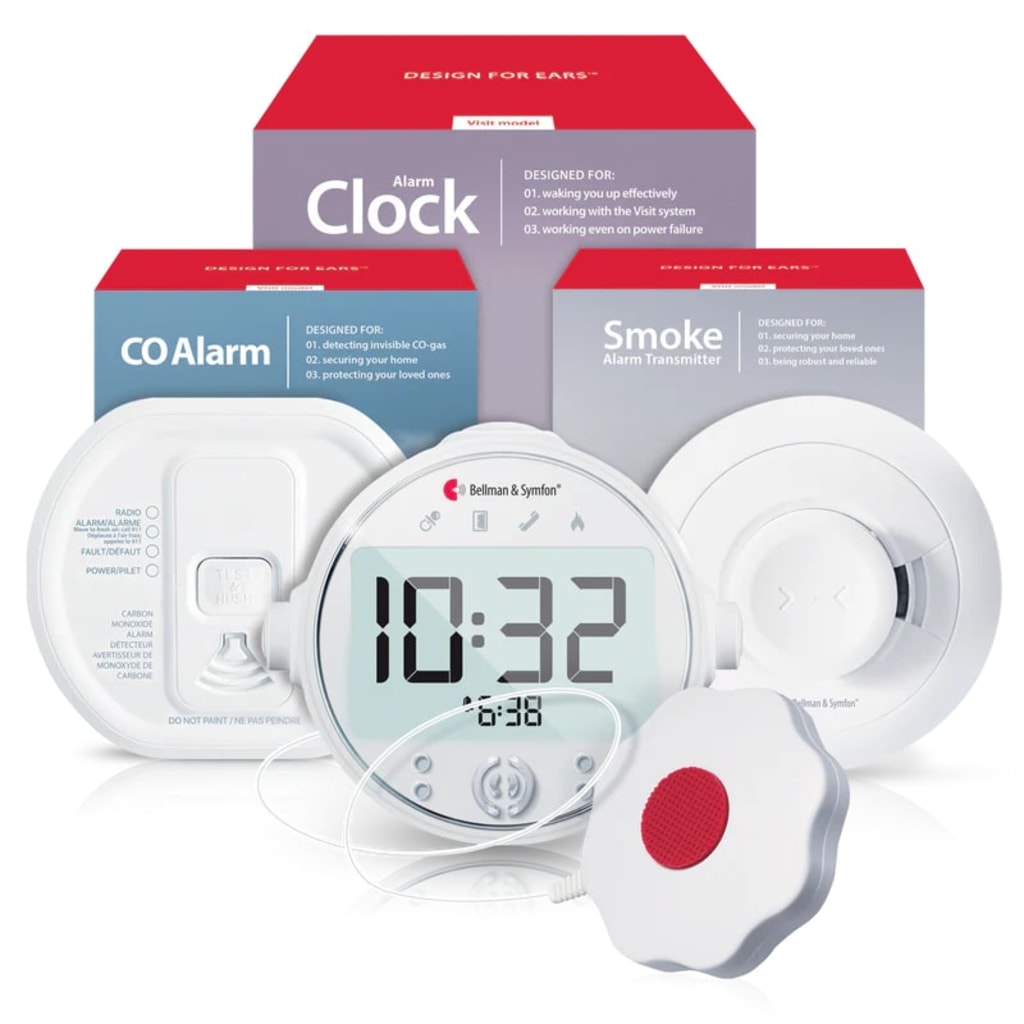
A quick response can save lives in emergencies like fires. However, traditional smoke alarms may not suffice for individuals who are deaf or hearing impaired. This is where smoke alarms for the deaf and hearing impaired step in, offering innovative solutions tailored to ensure everyone stays safe. In this article, we'll explore how these devices work, the technology behind them, and why they are a must-have for inclusive home safety.
Why Standard Smoke Alarms Aren't Enough
Traditional smoke detectors rely heavily on loud auditory alarms to alert occupants of potential danger. However, these signals are often ineffective for those with hearing loss.
- A standard smoke alarm emits sounds at around 85 decibels, which may not register for people with significant hearing impairments.
- Withuals may need an alert system to know about a fire hazard, especially during sleep.
This gap in functionality has led to the development of specialized smoke alarms for the deaf and hearing impaired, ensuring safety without compromise.
How Smoke Alarms for the Deaf and Hearing Impaired Work
Modern smoke alarms designed for the deaf or hard of hearing use alternative alert methods to ensure effective communication. Here's how:
Visual Alerts: Bright strobe lights flash repeatedly to capture attention. These lights are visible even during deep sleep or low-light conditions.
Vibration Systems: Devices can integrate with bed shakers, creating strong vibrations to wake users during emergencies.
Smart Notifications: Connected systems send alerts to smartphones or smartwatches, ensuring users receive warnings even when they are away from home.
Each feature is tailored to meet the unique needs of individuals who rely on non-auditory signals for safety.
Key Features to Look for in Smoke Detectors for Deaf Individuals
When choosing a smoke alarm for those with hearing impairments, consider the following essential features:
Strobe Light Brightness: Look for devices with high-intensity LED strobes that are impossible to ignore.
Integration with Vibrating Pads: Ensure the device is compatible with bed shakers or other tactile alert mechanisms.
Smart Home Compatibility: Smoke detectors that connect to innovative systems provide added convenience by offering remote alerts and controls.
Battery Backup: Power outages can render alarms useless, so choose models with robust battery backups.
Ease of Installation: Opt for user-friendly devices easily set up without professional assistance.
The Importance of Compliance with Safety Standards
When selecting a smoke detector, ensure the device meets local safety regulations and standards:
NFPA Guidelines: The National Fire Protection Association recommends smoke alarm placement and functionality for individuals with disabilities.
UL Certification: Devices certified by Underwriters Laboratories (UL) have been tested for quality and reliability.
Choosing compliant products not only ensures safety but also aligns with legal requirements.
Benefits of Specialized Smoke Alarms
Investing in smoke alarms tailored for the deaf and hearing impaired offers numerous advantages:
Peace of Mind: Knowing that everyone in the household is protected, regardless of hearing ability, reduces anxiety during emergencies.
Inclusive Safety: These alarms promote inclusivity by addressing the unique needs of all individuals.
Enhanced Awareness: With multiple alert methods, users are less likely to miss warnings.
Adaptability: Modern devices often integrate seamlessly with existing home safety systems.
Get various smoke or fire alarm detectors specially for deaf or hearing impaired people at shop.bellman.com today.
Installing Smoke Detectors for Maximum Efficiency
Placement plays a critical role in the effectiveness of smoke alarms. Follow these tips for optimal results:
Bedrooms: Install alarms in or near all sleeping areas to ensure alerts reach individuals during nighttime emergencies.
Living Spaces: Place detectors in common areas such as living rooms and hallways.
Kitchen: Avoid placing alarms too close to cooking areas to minimize false alarms, but ensure they are nearby.
Connectivity: Opt for interconnected systems where one triggered alarm activates others throughout the home.
Proper installation amplifies the efficacy of these life-saving devices.
The Role of Technology in Advancing Smoke Detector Design
The rise of smart home technology has revolutionized the safety landscape for individuals with hearing impairments. Many smoke detectors now feature:
Wi-Fi Connectivity: Enables remote monitoring and control via smartphone apps.
AI-Driven Alerts: Uses artificial intelligence to differentiate between real emergencies and false alarms.
Integration with Smart Assistants: Works with devices like Amazon Alexa or Google Assistant to deliver voice-based notifications.
These advancements make creating a safe and responsive living environment more straightforward.
Common Misconceptions About Smoke Alarms for the Deaf
There needs to be more awareness about the need for specialized smoke alarms. Common myths include:
- "Any alarm will do." This assumption can put lives at risk, as standard alarms are insufficient for deaf people.
- "They're too expensive." While prices vary, many affordable options exist, and the cost of protection far outweighs potential losses.
Understanding these misconceptions can help encourage wider adoption of these critical devices.
How to Maintain Your Smoke Alarm
Proper maintenance ensures your smoke detectors for deaf people functions when you need it most. Key tips include:
- Test alarms monthly to confirm functionality.
- Replace batteries every six months or as indicated by the manufacturer.
- Clean devices regularly to prevent dust buildup.
- Update to newer models every 7-10 years to benefit from the latest technology.
- Routine care guarantees reliable performance over time.
Final Thoughts on Smoke Detectors for the Deaf
Ensuring the safety of everyone in a household requires thoughtful planning and investment in the right tools. Smoke alarms for the deaf and hearing impaired provide peace of mind, reliability, and inclusivity, addressing a crucial gap in traditional fire safety solutions. By choosing advanced models and following proper installation practices, you can create a home environment that prioritizes safety for all.
About the Creator
Enjoyed the story? Support the Creator.
Subscribe for free to receive all their stories in your feed.
Comments
There are no comments for this story
Be the first to respond and start the conversation.