
Smart SEO Strategies for Online Growth
Written by MUHAMMAD SHAFIE

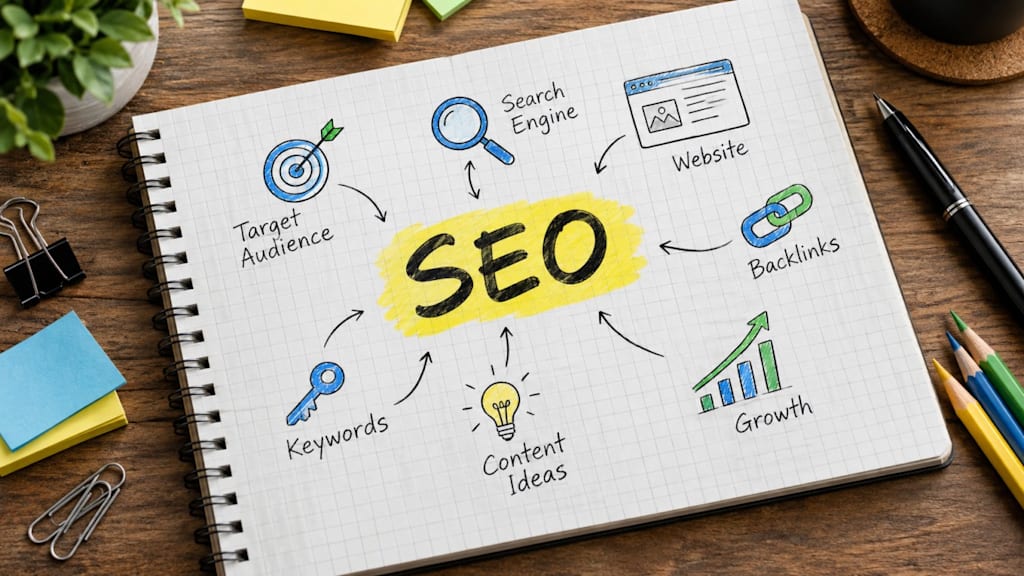
Building an online business takes time, especially when your website is competing with established brands and thousands of other pages. Publishing content is a good starting point, but getting that content in front of the right audience requires a more thoughtful approach.
Search engine optimization, commonly known as SEO, helps businesses make their websites easier to discover. It involves understanding what people search for, creating useful information, improving website performance, and building a clear connection between related topics.
There is no single trick that guarantees better rankings. In most cases, steady progress comes from making sensible improvements and understanding what your audience actually needs.
Start With Your Audience
Before researching keywords or building backlinks, consider the people you want to reach. What questions do they ask? What problems are they trying to solve? Which information would help them make a better decision?
These questions can guide your content strategy more effectively than choosing topics simply because they have high search volumes.
For example, a small business selling handmade furniture could publish practical guides about choosing wood, maintaining different finishes, or measuring a room before purchasing a table. Such topics connect the website with people who have a genuine interest in its products.
Keyword research can help identify the language people use when searching for these answers. However, keywords should fit naturally into the content. An article becomes difficult to read when the same phrase appears repeatedly without adding meaning.
The goal is to create something useful enough that readers would still appreciate it even if they discovered it outside a search engine.
Create Content Worth Reading
A website needs more than a collection of pages targeting popular keywords. Readers expect accurate information, clear explanations, and practical details that help them understand a subject.
Start each article with a specific purpose. Decide what the reader should learn, then organize the information in a logical order. Short paragraphs, descriptive headings, and relevant examples make longer articles easier to follow.
Originality also matters. Rewriting information already available on dozens of websites does not automatically create a valuable resource. Adding practical observations, explaining common mistakes, or comparing different approaches can make an article more distinctive.
It is equally important to keep information current. An outdated guide may contain advice that no longer applies, particularly in industries where tools, regulations, or technology change frequently.
Google's helpful content guidance encourages creators to prioritize content made for people, with useful information and a clear purpose.
Understand the Value of Backlinks
A backlink is a link from another website to a page on your own site. These links can help search engines discover content and provide readers with additional resources.
However, backlinks are not all equally useful. A link from a relevant article on a reputable website may introduce your work to an interested audience. A link from an unrelated page with little meaningful content may offer very little practical value.
This is why evaluating a website requires more than checking a single authority score. Look at its subject matter, the quality of its articles, its intended audience, and whether the linking page provides a sensible reason for readers to visit your website.
It is also important to understand the difference between earning a link and purchasing one to manipulate rankings. Google's spam policies address link schemes intended to influence search results. Paid placements should be handled transparently and use appropriate link attributes when required.
A thoughtful backlink strategy focuses on relevance, useful resources, and legitimate reasons for websites to reference one another.
Guest Posting Needs a Clear Purpose
Guest posting involves contributing an article to a publication other than your own. It can help writers share their knowledge with a new audience and introduce businesses to readers who may not have discovered them otherwise.
The quality of the publication matters, but so does the quality of the contribution. An article should fit the website's subject, meet its editorial standards, and offer something worthwhile to its readers.
Imagine writing for a publication about small business management. A detailed article explaining how independent retailers can organize their online product information would be more appropriate than a generic piece filled with promotional links.
Before approaching a publication, read several of its existing articles. Understand its writing style, the questions it addresses, and the type of information its audience values.
Guest posting becomes less useful when the main objective is placing links rather than contributing meaningful information. Readers can usually recognize content that feels like an advertisement disguised as an article.
Improve the Website Experience
Even strong content can struggle to perform well when a website is difficult to use. Visitors expect pages to load reliably, information to be easy to find, and navigation to work across desktop and mobile devices.
Start by checking the basics. Make sure important pages can be accessed, internal links work correctly, and the website has a logical structure. Review mobile usability and look for unnecessary elements that distract readers from the content.
Technical SEO also involves helping search engines access and understand website pages. Indexing problems, incorrect redirects, and confusing URL structures can create obstacles that deserve attention.
Google Search Console is a useful starting point for monitoring search impressions, clicks, indexing information, and other performance indicators. These reports can help identify pages that deserve closer examination.
Not every technical issue has the same impact, so prioritize problems according to their actual effect on visitors and search accessibility.
Measure What Actually Matters
SEO progress should be measured against meaningful goals rather than a single ranking or authority number.
Organic clicks can show whether search visitors are reaching your website. Search impressions indicate how often pages appear in results, while click through rates help explain how frequently people select them. Conversion data can reveal whether visitors complete useful actions, such as making a purchase or submitting an inquiry.
Reviewing these indicators over time helps you identify patterns. A page might attract plenty of visitors but generate few inquiries, suggesting that its content or next steps need improvement. Another page may receive fewer visits but attract highly relevant potential customers.
Avoid making major decisions based on a few days of data. Search performance fluctuates, and competitive topics often require sustained effort before meaningful changes become clear.
The purpose of measurement is to learn what works for your audience and make better decisions as your website develops.
Avoid Shortcuts That Create Problems
Businesses sometimes become so focused on rankings that they overlook the quality of their overall strategy. Repeating keywords unnaturally, publishing shallow articles, acquiring irrelevant backlinks, and making unrealistic promises can waste time and resources.
There is no guaranteed formula for reaching the top of search results. Search engines evaluate many signals, and competitors continue improving their own websites.
A more dependable approach is to publish information that answers real questions, maintain a technically accessible website, and build relationships with relevant publications and communities.
Consistency matters, but consistency alone is not enough. Reviewing your results and improving weak areas is what helps your strategy evolve.
Final Thoughts
Sustainable SEO begins with understanding your audience and creating a website that deserves their attention. Relevant backlinks, thoughtful guest contributions, useful content, and sound technical practices can all support that objective.
Rather than chasing every new tactic, focus on the improvements that make your website more helpful and accessible. Learn from your performance data, keep important information current, and approach link building with care.
The strongest SEO strategy is one that creates genuine value for readers while making it easier for them to discover that value.
About the Creator
MUHAMMAD SHAFIE
Muhammad Shafie is a writer and blogger passionate about digital culture, tech, and storytelling. Through insightful articles and reflections, they explore the fusion of innovation and creativity in today’s ever-changing world.
Enjoyed the story? Support the Creator.
Subscribe for free to receive all their stories in your feed.
Comments
There are no comments for this story
Be the first to respond and start the conversation.