
Smart Nutrition Habits: A Practical Guide to Eating Well Every Day
Discover smart nutrition habits that actually work. Learn how to balance macronutrients, eat whole foods, add superfoods, and build a healthy diet routine for lasting results.

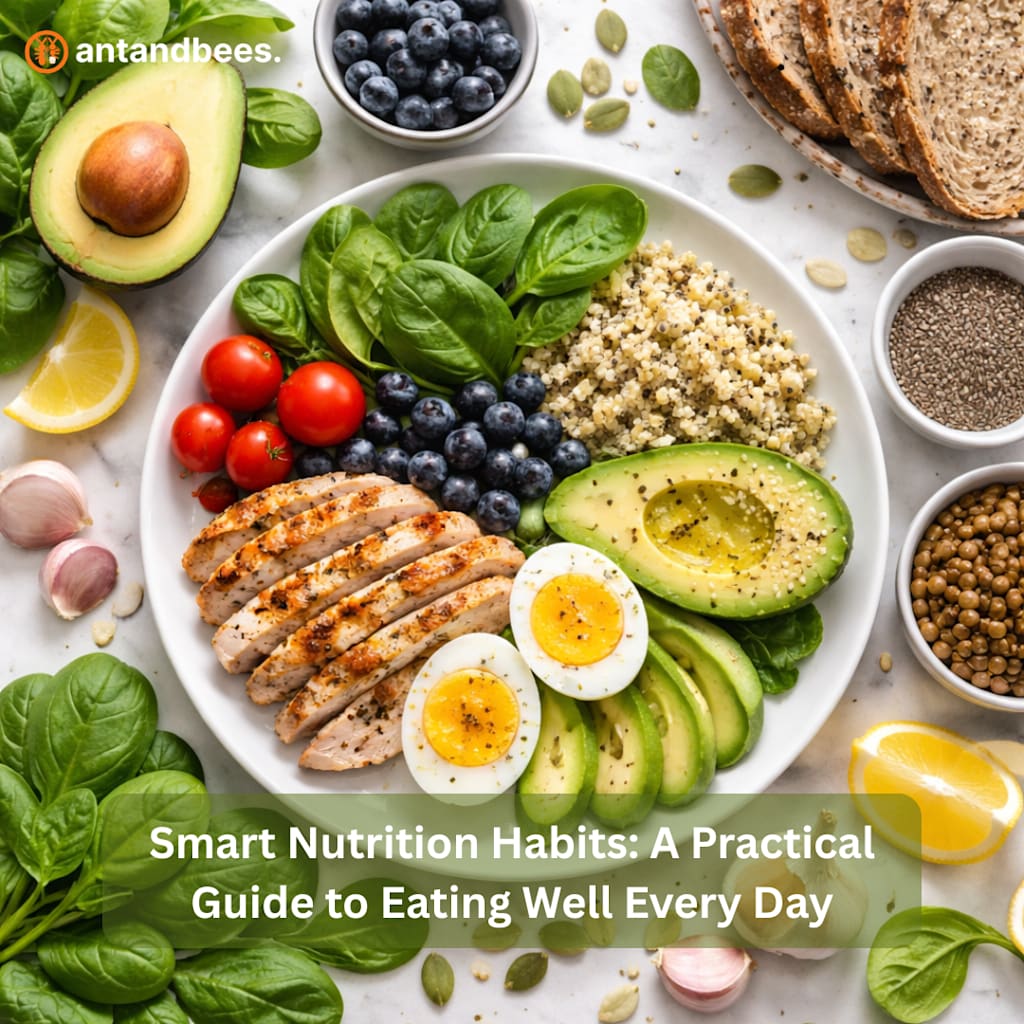
Good nutrition is not about following a strict diet or counting every calorie — it is about building sustainable habits that fuel your body, support your goals, and improve your overall quality of life. Whether you are just starting your health journey or looking to level up your existing routine, understanding the fundamentals of smart nutrition can make all the difference.
Why Nutrition Is the Foundation of Good Health
Everything your body does — from breathing and moving to thinking and healing — depends on the nutrients you consume. Vitamins, minerals, proteins, fats, and carbohydrates are not just dietary buzzwords; they are the raw materials your cells need to function optimally every single day.
Poor nutrition, on the other hand, is linked to fatigue, weakened immunity, poor mental focus, and long-term health complications. The good news is that you do not need a complicated plan to eat well. Small, consistent changes to your daily diet can yield remarkable results over time.
Build Your Plate Around the Right Macronutrients
Understanding your macronutrient ratio is one of the most powerful tools in Nutrition. The three macronutrients — proteins, carbohydrates, and fats — each serve distinct roles in your body:
Protein is essential for muscle repair, immune function, enzyme production, and satiety. Adults generally need between 0.8 to 1.2 grams of protein per kilogram of body weight, though active individuals and athletes may need more. Great sources include eggs, chicken, legumes, Greek yogurt, paneer, and fish.
Carbohydrates are your body's primary energy source. Rather than eliminating them entirely, focus on complex, fibre-rich carbs like oats, brown rice, sweet potatoes, and whole-grain bread, which provide sustained energy without sharp blood sugar spikes.
Healthy fats found in avocados, nuts, seeds, and olive oil — support brain health, hormone production, and the absorption of fat-soluble vitamins like A, D, E, and K.
A general starting point for a balanced macronutrient split is 40% carbohydrates, 30% protein, and 30% fat, though this can be adjusted based on your specific health goals.
Prioritise Whole Foods Over Processed Options
One of the simplest yet most effective nutrition principles is this: eat food as close to its natural state as possible. This is the core idea behind clean eating. Minimally processed whole foods are packed with nutrients, fibre, and natural compounds that support gut health, reduce inflammation, and help maintain a healthy weight.
Practical ways to incorporate more whole foods include:
- Swapping packaged snacks for a handful of mixed nuts or fresh fruit
- Replacing white rice with quinoa or millets
- Choosing homemade meals over fast food at least five days a week
- Reading ingredient labels and avoiding products with long lists of artificial additives
Never Skip Breakfast — Make It Count
Breakfast sets the metabolic tone for your entire day. A nutritious morning meal stabilises blood sugar, improves concentration, and reduces the likelihood of overeating later. Ideal breakfast options combine protein, healthy fat, and complex carbohydrates — think overnight oats with nut butter and berries, eggs with whole-grain toast and avocado, or a smoothie packed with spinach, banana, protein powder, and flaxseeds.
Superfoods Worth Adding to Your Diet
You do not need exotic or expensive ingredients to eat nutritiously, but certain foods genuinely earn their "superfood" status due to their exceptional nutrient density. Consider regularly including:
- Spinach and kale — rich in iron, calcium, and antioxidants
- Blueberries — high in vitamin C and brain-boosting flavonoids
- Chia seeds — loaded with omega-3 fatty acids and fibre
- Turmeric — a powerful anti-inflammatory widely used in Indian cooking
- Lentils and chickpeas — affordable, high-protein plant-based staples
Hydration: The Often Overlooked Nutrient
Water is technically a nutrient, and chronic dehydration impairs virtually every bodily function — from digestion and joint lubrication to skin health and mental clarity. Aim for at least 2.5 to 3 litres of water per day, and more if you are active or live in a warm climate. Herbal teas and water-rich foods like cucumbers, oranges, and watermelon also contribute to your daily fluid intake.
Meal Prep: Your Biggest Ally for Consistent Nutrition
Even the best nutrition intentions fall apart when life gets busy. Meal prepping — preparing key components of your meals in advance — removes the daily decision fatigue around food. Set aside one to two hours each weekend to batch-cook grains, proteins, and roasted vegetables, and you will have nutritious meals ready to assemble all week long.
The Takeaway
Smart nutrition does not demand perfection. It asks for consistency, awareness, and a genuine desire to nourish your body with foods that serve it well. Start with one change at a time — improve your breakfast, add more protein, cut down on ultra-processed snacks — and let momentum build from there. Your body will thank you for every good choice you make.
About the Creator
Donna Steven
Hi, I’m Donna Steven. I write for 'Ant and Bees' where I share simple and practical tips related to fitness, weight loss, and a healthy lifestyle. My goal is to help people build habits and achieve real results naturally.
Enjoyed the story? Support the Creator.
Subscribe for free to receive all their stories in your feed.
Comments
There are no comments for this story
Be the first to respond and start the conversation.