
Smart Air Purifier Market Signals a Cleaner Indoor Future
Smart Air Purifier technology is reshaping healthier living spaces across homes and workplaces
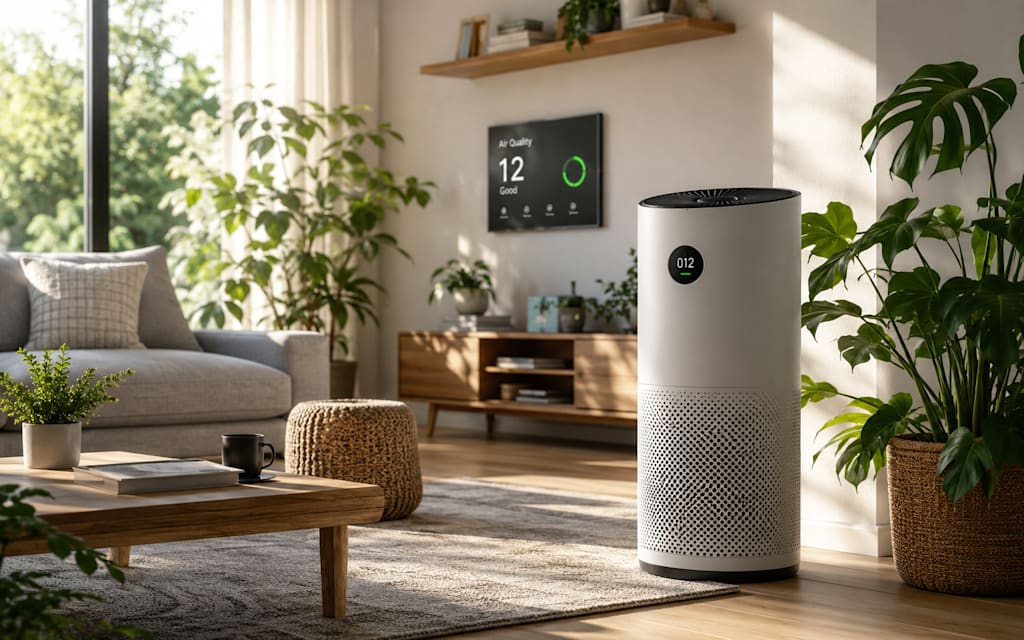
The air inside modern homes is no longer as safe as it appears. Closed windows, rising urban pollution, pet dander, cooking smoke, and invisible allergens quietly linger in bedrooms and offices long after the day ends. Across cities, more people are waking up with dry throats, headaches, and fatigue without realizing indoor air quality may be the hidden trigger.
That growing awareness is changing consumer habits worldwide. Smart air purifiers, once considered luxury gadgets, are now becoming part of everyday wellness routines. Equipped with AI-driven monitoring, app connectivity, automatic filtration adjustments, and real-time air quality tracking, these devices are moving beyond convenience and entering the center of smart living ecosystems.
According to Mordor Intelligence, the smart air purifier market size is projected to be USD 2.85 billion in 2025, USD 3.25 billion in 2026, and reach USD 6.30 billion by 2031, growing at a CAGR of 14.13% from 2026 to 2031. The surge reflects not just demand for cleaner air, but also a larger consumer shift toward connected health-focused devices.
Urban lifestyles are accelerating demand for intelligent indoor air solutions
Apartment living has transformed dramatically over the past decade. Smaller spaces, sealed environments, and longer indoor working hours have increased dependence on purification systems that can continuously adapt to changing conditions. Consumers no longer want basic filters sitting quietly in the corner. They want intelligent systems that can notify them when pollution spikes, automatically adjust purification speed, and sync with other smart home devices.
This shift is helping the Smart Air Purifier Industry evolve into a technology-driven category rather than a simple appliance segment. Voice assistant integration, smartphone monitoring, and sensor-based automation are now expected features in premium urban households.
The rise in hybrid work culture is also contributing to stronger adoption. Home offices now require environments that improve concentration and reduce airborne irritants during long working hours. Parents are increasingly placing air purifiers in children’s rooms, while pet owners are using advanced HEPA-based systems to control allergens more effectively.
Connected health trends are strengthening long-term market expansion
Consumer behavior around wellness has shifted from reactive healthcare to preventive living. That transition is becoming one of the strongest forces behind Smart Air Purifier Market Growth. Instead of waiting for respiratory discomfort or seasonal allergies, buyers are proactively investing in devices that create healthier indoor spaces year-round.
Manufacturers are responding with advanced filtration technologies capable of detecting microscopic pollutants in real time. Some systems now include predictive analytics that learn household air patterns and automatically optimize purification cycles throughout the day.
At the same time, younger buyers are showing stronger preference for aesthetically designed smart devices that blend seamlessly into modern interiors. Minimalist designs, silent operation, and energy efficiency are becoming just as important as purification performance.
Social media trends and online wellness communities are also amplifying awareness. Videos demonstrating pollution level changes inside homes, kitchens, and urban apartments continue to attract millions of views, influencing purchasing decisions among younger consumers.
Smart home ecosystems are reshaping competitive positioning worldwide
The modern smart home is becoming increasingly interconnected. Lighting systems, security devices, climate controls, and now air purification technologies are operating together inside unified ecosystems. This broader integration is influencing Smart Air Purifier Market Share across premium and mid-range product categories.
Consumers are beginning to view smart air purifiers as essential wellness infrastructure rather than occasional-use appliances. In many urban households, these devices now operate continuously alongside smart thermostats and humidity monitors to maintain indoor comfort automatically.
Commercial spaces are also contributing to adoption momentum. Offices, hotels, clinics, gyms, and educational institutions are investing in intelligent air management systems to improve occupant confidence and indoor environmental quality. Businesses increasingly recognize that cleaner indoor air can positively influence employee comfort and customer experience.
Meanwhile, energy-efficient purification technologies are becoming important differentiators as sustainability awareness rises globally. Consumers want cleaner air without significant increases in electricity consumption, pushing manufacturers toward smarter automation and optimized filtration cycles.
The expanding Smart Air Purifier Market Size reflects a future where indoor air quality becomes a standard expectation rather than a premium upgrade. As connected wellness technology continues evolving, smart purification systems are likely to become deeply embedded in everyday living environments worldwide.
Cleaner air is no longer just about comfort. It is becoming part of a broader lifestyle centered around health, productivity, and smarter living.
Would you add a smart air purifier to your daily living space if indoor air data became visible in real time?
About the Creator
Enjoyed the story? Support the Creator.
Subscribe for free to receive all their stories in your feed.
Comments
There are no comments for this story
Be the first to respond and start the conversation.