
Single Super Phosphate Manufacturing Plant Feasibility Report: An In-Depth Guide
Single Super Phosphate (SSP) stands as one of the most widely utilized phosphatic fertilizers in agriculture, highly valued for its cost-effectiveness and crucial role in enhancing overall soil fertility.

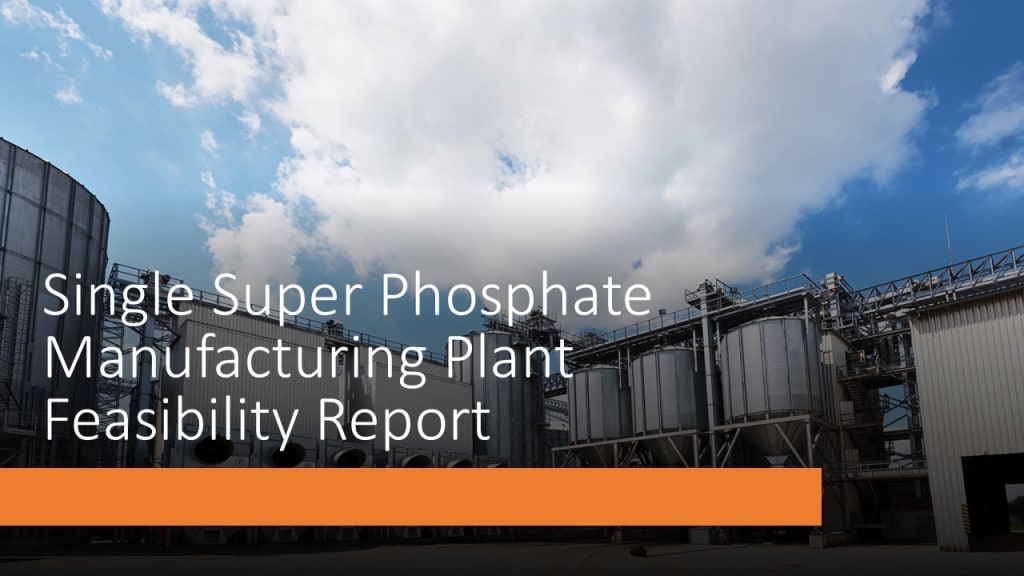
Single Super Phosphate (SSP) is one of the most widely used phosphatic fertilizers in agriculture, valued for its cost-effectiveness and role in improving soil fertility. With the growing demand for balanced nutrient management in crops, establishing an SSP manufacturing plant can be a promising business venture. This feasibility report provides a clear overview of the essential aspects of setting up a single super phosphate manufacturing unit, including key setup costs, machinery requirements, and operational insights.
Understanding Single Super Phosphate Manufacturing Plant Setup Cost
Setting up a single super phosphate manufacturing plant involves various capital and operational expenditures. The major components include land and building development, machinery procurement, raw material storage, utilities installation, and compliance with environmental and safety standards. The Single Super Phosphate Manufacturing Plant Setup Cost depends on factors such as production capacity, degree of automation, local regulations, and proximity to raw material sources. Conducting a detailed cost estimation helps in planning finances and securing necessary funding.
Essential Machinery and Machinery Cost
Manufacturing SSP requires a series of well-integrated processes, each supported by specialized equipment. Investing in reliable machinery ensures efficient production and consistent product quality. Common machinery used in an SSP plant includes:
• Rock Phosphate Grinding Mill: For grinding raw rock phosphate to a fine powder for better reactivity.
• Automatic Weighing and Feeding System: Ensures precise measurement and feeding of raw materials.
• Acidulation Reactor: Where rock phosphate reacts with sulfuric acid to produce single super phosphate.
• Den Drums: For granulation and curing of the SSP slurry into usable fertilizer granules.
• Dryers: To reduce moisture content and improve product shelf life.
• Material Handling Systems: Conveyor belts, elevators, and screw feeders for smooth internal movement.
• Packaging Units: For filling, weighing, and sealing bags ready for distribution.
Request for a Sample Report: https://www.imarcgroup.com/single-super-phosphate-manufacturing-plant-project-report/requestsample
The Machinery Cost constitutes a significant part of the overall investment and varies according to plant capacity, technology choice, and supplier reputation. Opting for energy-efficient and low-maintenance equipment can help reduce operational costs in the long run.
Project Feasibility and Site Selection
Choosing the right site plays a crucial role in the plant’s efficiency and regulatory compliance. An ideal location should have:
• Easy access to raw materials like rock phosphate and sulfuric acid.
• Proximity to major agricultural markets for smooth distribution.
• Availability of utilities such as water, power, and transportation infrastructure.
• Compliance with local zoning laws and environmental regulations to avoid operational hurdles.
Additionally, conducting an environmental impact assessment is necessary to ensure safe disposal of by-products and adherence to pollution control norms.
Manufacturing Process Overview
The production of single super phosphate involves a straightforward chemical reaction: finely ground rock phosphate is treated with dilute sulfuric acid to produce phosphoric acid and gypsum. The resulting slurry is granulated, cured, dried, and then bagged for sale.
The process flow typically includes:
1. Grinding: Rock phosphate is ground to the desired fineness.
2. Acidulation: The ground rock reacts with sulfuric acid in a reactor to form SSP slurry.
3. Granulation: The slurry is transferred to den drums where it forms granules.
4. Curing: Granules are cured in storage to complete the chemical reaction.
5. Drying: Granules are dried to remove excess moisture.
6. Screening and Packaging: The final product is screened for uniformity and packed for market supply.
Key Financial Aspects and Returns
A robust feasibility study should cover all financial angles, including:
• Capital Expenditure: Covering land, building, machinery cost, utilities, and initial working capital.
• Operating Expenses: Raw material costs, labor, maintenance, utilities, and packaging expenses.
• Revenue Projections: Based on expected production output, market demand, and prevailing fertilizer prices.
• Profitability Indicators: Break-even point, return on investment (ROI), and payback period estimates.
Well-prepared financial forecasts help attract investors and facilitate smooth credit arrangements from financial institutions.
Regulatory Compliance and Quality Standards
Manufacturing fertilizers requires strict adherence to environmental and agricultural quality standards. Necessary licenses include pollution control board clearance, fertilizer control orders compliance, and storage safety certificates. Maintaining consistent product quality through regular laboratory testing builds trust with buyers and supports repeat sales.
Conclusion
Setting up a single super phosphate manufacturing plant is a viable opportunity for businesses interested in contributing to sustainable agriculture while generating steady revenue. A clear understanding of the setup cost, machinery cost, site requirements, and regulatory aspects is key to ensuring the project’s feasibility and long-term success. With the right planning, modern equipment, and efficient operations, an SSP plant can play a vital role in meeting the ever-growing fertilizer demand of the agricultural sector.
About the Creator
jamie cooke1296
IMARC Group is a global management consulting firm that helps the world’s most ambitious changemakers to create a lasting impact.
Enjoyed the story? Support the Creator.
Subscribe for free to receive all their stories in your feed.
Comments
There are no comments for this story
Be the first to respond and start the conversation.