
Simplifying VAT Reconciliation with Accounting Software: Tools and Techniques
Accounting Software Vat Returns

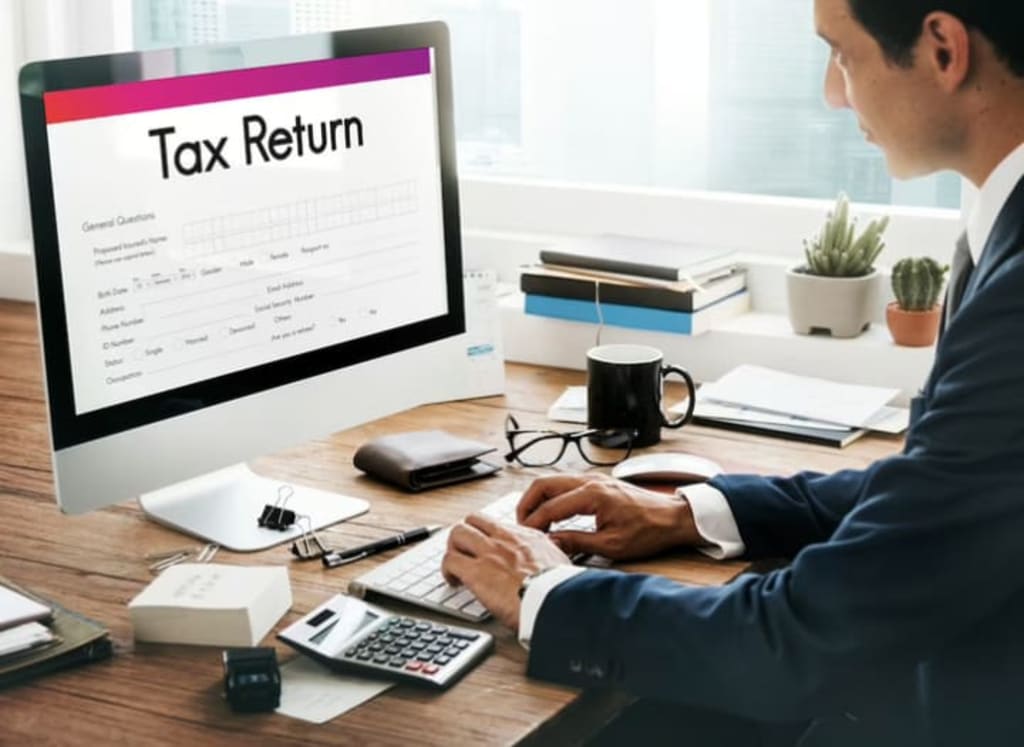
VAT reconciliation is a crucial process for businesses to ensure the accuracy and integrity of their VAT returns. It involves comparing the VAT transactions recorded in a business's accounting system with the corresponding data on their VAT return. Traditionally, VAT reconciliation has been a time-consuming and manual task prone to errors. However, with the advancements in accounting software, businesses can now simplify and streamline this process. In this article, we will explore the tools and techniques provided by accounting software to simplify VAT reconciliation and enhance the accuracy of VAT returns.
Automated Data Matching and Reconciliation
One of the key features of accounting software for VAT returns is the ability to automate data matching and reconciliation. The software can compare the VAT transactions recorded in the accounting system with the data from the VAT return, identifying any discrepancies or missing entries. This automated process saves businesses significant time and effort, reducing the risk of errors and improving the accuracy of VAT reconciliation.
Real-Time Updates and Data Synchronization
Accounting software for VAT returns provides real-time updates and data synchronization capabilities. This means that as new VAT transactions are recorded in the accounting system, the software automatically updates the VAT reconciliation process. Any changes or adjustments made to VAT transactions are reflected immediately, allowing businesses to have an up-to-date view of their VAT liabilities and ensuring accurate reconciliation.
Exception Reporting and Alerts
To further simplify VAT reconciliation, accounting software often includes exception reporting and alerts. These features flag any transactions or discrepancies that require attention, such as transactions with missing VAT codes, duplicate entries, or inconsistencies in VAT amounts. By highlighting these exceptions, the software enables businesses to quickly identify and resolve issues, improving the efficiency and accuracy of VAT reconciliation.
Customizable Reconciliation Templates
Accounting software for VAT returns usually offers customizable reconciliation templates. These templates can be tailored to match the specific requirements of a business, including the format and layout of the VAT return. Customization options allow businesses to align the reconciliation process with their unique needs, making it easier to cross-reference and validate VAT transactions against the VAT return.
Reporting and Audit Trail
Accounting software provides comprehensive reporting and an audit trail of the VAT reconciliation process. These reports summarize the results of the reconciliation, highlighting any discrepancies or adjustments made. The audit trail captures the history of changes made to VAT transactions, providing a transparent and traceable record of the reconciliation process. This documentation is invaluable during VAT audits or when addressing any queries from tax authorities.
Benefits of Using Accounting Software for VAT Returns:
Time Efficiency: Accounting software automates the VAT reconciliation process, reducing the time and effort required for manual data matching and validation. This time-saving benefit allows businesses to allocate resources to more strategic activities.
Improved Accuracy: By automating data matching and reconciliation, accounting software minimizes human errors and inconsistencies that can occur during manual processes. The software's algorithms ensure accurate calculations and provide a reliable audit trail for future reference.
Enhanced Compliance: VAT regulations can be complex and subject to frequent changes. Accounting software for VAT returns is designed to stay up to date with the latest compliance requirements, ensuring that businesses remain compliant and avoid penalties.
Streamlined Workflow: With accounting software, businesses can streamline their VAT reconciliation workflow by integrating data from various sources and systems. This integration eliminates the need for manual data entry and reduces the risk of data discrepancies.
Data Security: Accounting software typically offers robust data security measures, protecting sensitive financial information from unauthorized access. This security feature provides peace of mind to businesses, knowing that their VAT data is safe and secure.
Conclusion:
Accounting software for VAT returns has revolutionized the process of VAT reconciliation, simplifying and enhancing accuracy. With automated data matching, real-time updates, exception reporting, customizable templates, and comprehensive reporting capabilities, businesses can streamline their VAT reconciliation efforts. These tools and techniques provided by accounting software reduce manual efforts, minimize errors, and improve the efficiency and accuracy of VAT returns.
By leveraging accounting software specifically designed for VAT returns, businesses can ensure compliance with tax regulations, reduce the risk of penalties, and gain greater control over their VAT liabilities. The streamlined VAT reconciliation process allows businesses to focus on core operations and strategic decision-making, confident in the accuracy and integrity of their VAT returns.
In conclusion, accounting software empowers businesses to simplify VAT reconciliation, enabling them to navigate the complexities of VAT compliance with ease and confidence.
About the Creator
123 Sheets
At 123 Sheets,we are dedicated to long term investment in MTD software, to ensure you can keep on using spreadsheets for Making Tax Digital whatever the future holds.
Enjoyed the story? Support the Creator.
Subscribe for free to receive all their stories in your feed.
Comments
There are no comments for this story
Be the first to respond and start the conversation.