
Simple Habits to Improve Mental Health Naturally | Ant and Bees
Discover simple and practical lifestyle habits to improve mental health naturally. Learn how fitness, sleep, and stress management can boost your well-being with Ant and Bees.

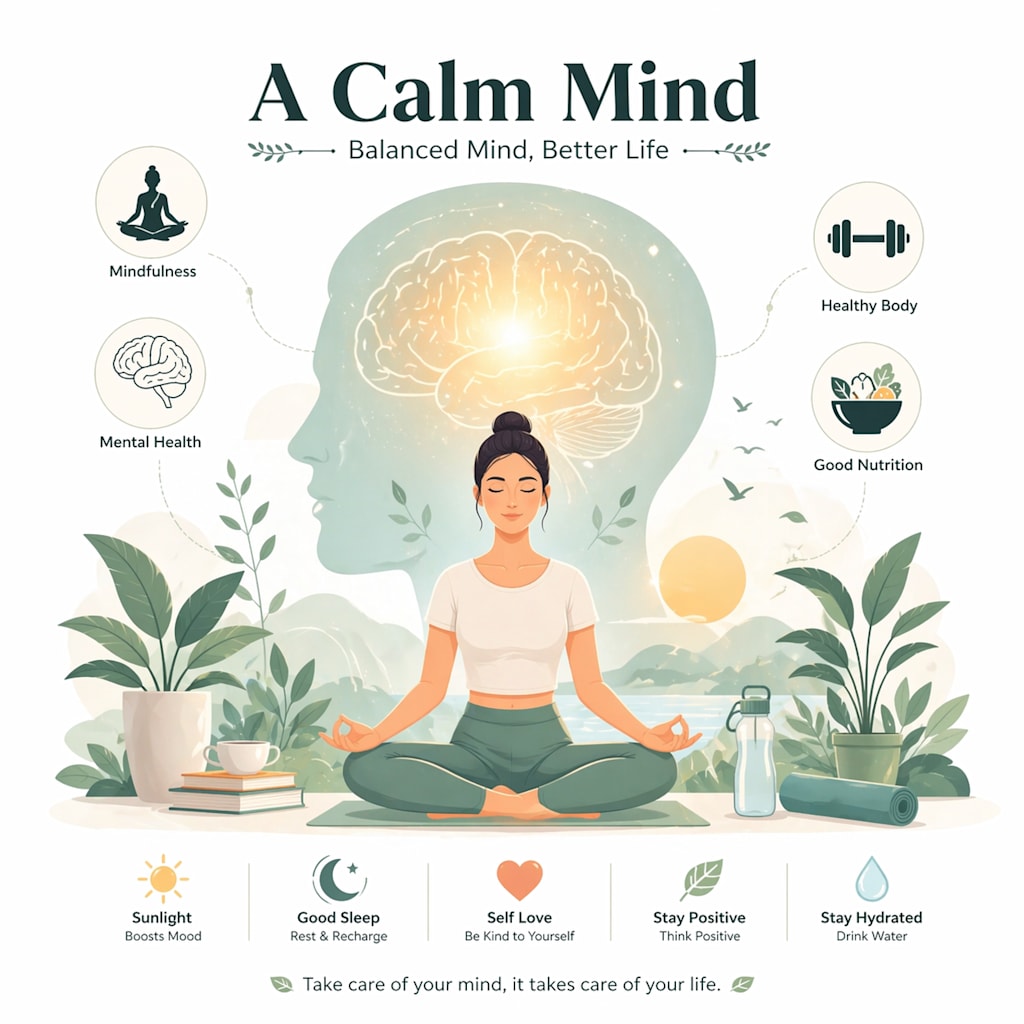
Mental health is no longer a topic we can ignore. In today’s fast-moving world, stress, anxiety, and emotional burnout have become common experiences. While many people search for quick solutions, the truth is that mental well-being is deeply connected to our daily lifestyle choices. At Ant and Bees, we focus on practical, realistic strategies that can help people improve their mental health naturally—without complicated routines or unrealistic expectations.
Understanding Mental Health in Everyday Life
Mental health is not just about avoiding disorders—it’s about how we think, feel, and function daily. It affects our energy levels, productivity, relationships, and overall quality of life. When mental health is balanced, we are better able to handle stress, stay focused, and make healthy decisions.
However, modern life introduces constant pressure. Work demands, social media comparison, and lack of rest can slowly impact emotional well-being. Over time, this can lead to chronic stress, anxiety, and even depression if not managed properly.
Why Lifestyle Plays a Major Role
One of the most overlooked facts about mental health is how strongly it is influenced by lifestyle habits. Scientific research shows that simple daily actions—like physical activity, sleep, and social interaction—can significantly impact emotional well-being.
For example, regular physical activity is proven to improve mood, reduce stress, and even help manage symptoms of anxiety and depression. Exercise releases chemicals like endorphins and serotonin, which naturally boost mood and reduce tension.
This means improving mental health does not always require complex treatments—sometimes, it starts with small, consistent habits.
The Power of Physical Activity
Exercise is one of the most effective and natural ways to improve mental health. It not only strengthens the body but also has a direct impact on the brain.
Studies show that even short periods of physical activity can:
- Reduce stress levels
- Improve mood
- Boost self-confidence
- Enhance sleep quality
Even 10–15 minutes of movement daily can make a noticeable difference. Physical activity helps regulate stress hormones and increases “feel-good” chemicals in the brain.
At Ant and Bees, we always recommend starting small—simple workouts, walking, or yoga can be enough to create positive change.
Managing Stress in a Realistic Way
Stress is a normal part of life, but unmanaged stress can harm mental health. Instead of trying to eliminate stress completely, the goal should be to manage it effectively.
Some proven stress-management techniques include:
- Deep breathing exercises
- Mindfulness and meditation
- Taking short breaks during work
- Spending time in nature
Research suggests that relaxation techniques can help reduce anxiety and improve emotional balance when practiced regularly.
The key is consistency, not perfection. Even a few minutes of daily relaxation can improve mental clarity and reduce overwhelm.
The Role of Sleep and Recovery
Sleep is one of the most important yet neglected aspects of mental health. Poor sleep can increase stress, reduce focus, and negatively affect mood.
Regular physical activity and healthy routines can improve sleep quality significantly. People who stay active often experience better sleep patterns and lower levels of anxiety.
Creating a simple sleep routine—like going to bed at the same time and limiting screen use before sleep—can make a big difference.
Social Connection and Emotional Support
Humans are naturally social beings, and meaningful connections play a major role in mental well-being. Talking to friends, family, or even a supportive community can reduce feelings of loneliness and stress.
You don’t need a large social circle—just a few genuine connections can improve emotional health. Sharing thoughts and experiences often helps people feel understood and supported.
Building Sustainable Mental Health Habits
One of the biggest mistakes people make is trying to change everything at once. This often leads to burnout and inconsistency. Instead, focus on building small, sustainable habits.
Here’s a simple approach:
- Start with 10 minutes of daily activity
- Practice 5 minutes of mindfulness
- Improve one habit at a time (sleep, diet, or routine)
Over time, these small steps create long-term results. Mental health improvement is a journey, not a quick fix.
Breaking the Myth of “Perfect Mental Health”
It’s important to understand that mental health is not about being happy all the time. Everyone experiences ups and downs. The goal is to build resilience—the ability to handle challenges without losing balance.
Even experts agree that lifestyle changes like exercise and routine building should complement, not replace, professional care when needed.
If someone is facing severe mental health challenges, seeking professional help is always the right step.
Final Thoughts
Mental health is deeply connected to how we live our daily lives. Simple habits like staying active, managing stress, getting enough sleep, and building meaningful relationships can have a powerful impact on emotional well-being.
At Ant and Bees, our goal is to provide practical, real-life advice that actually works. You don’t need a perfect routine or extreme changes—just small, consistent actions can lead to lasting improvements.
Remember, improving mental health is not about doing everything at once. It’s about taking one step at a time—and staying consistent.
About the Creator
Donna Steven
Hi, I’m Donna Steven. I write for 'Ant and Bees' where I share simple and practical tips related to fitness, weight loss, and a healthy lifestyle. My goal is to help people build habits and achieve real results naturally.
Enjoyed the story? Support the Creator.
Subscribe for free to receive all their stories in your feed.
Comments
There are no comments for this story
Be the first to respond and start the conversation.