
Should You Buy a Rowing Machine for Your Home Gym?
Key Factors to Weigh Before Making the Investment
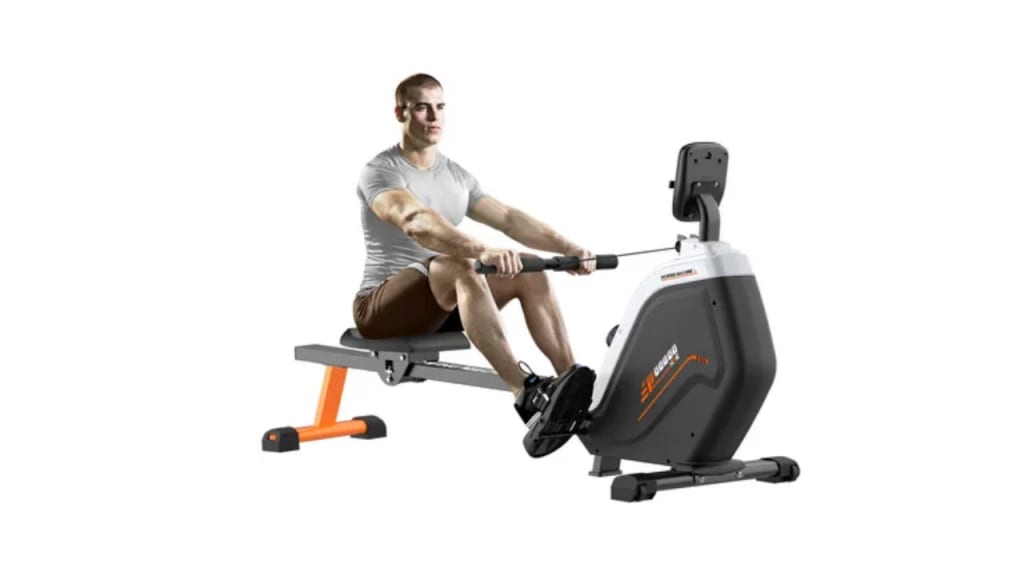
Home workouts in the UK have grown like crazy over the last few years. From small city flats to countryside cottages, people are building their own mini fitness zones. It’s not just about convenience anymore. It’s about having control, saving money, and staying consistent.
If you’ve been thinking about adding one key piece of equipment, you might be wondering — should you buy rowing machine for your home gym? Let’s dig into the details, with a good old British perspective.
Why Rowing Machines Are Suddenly Everywhere
You might have noticed more rowing machines popping up in UK homes lately. Part of that’s thanks to lockdown habits that stuck around. Partly, it’s the appeal of a full-body workout without needing tons of space.
Rowing works more muscles than you’d expect. Your legs push, your core stabilises, and your arms pull. That’s a lot of movement for one simple stroke. It’s a workout that feels efficient — because it is.
Plus, the calorie burn is impressive. According to the NHS and sports performance studies, rowing can burn 400–800 calories per hour depending on your pace and weight. That’s not bad for something you can do while listening to a podcast.
The Space Question: Will It Fit in a UK Home?
Let’s be honest — homes in the UK aren’t exactly famous for giant spare rooms. Many flats barely have enough space for a dining table. So, one of the first things to consider is footprint.
Good news? Many modern rowing machines fold up or store vertically. A folding design can be tucked away in a hallway or cupboard. Some models even have wheels so you can roll them behind a sofa.
If you live in a London flat or a converted terrace house, you’ll want to measure before buying. Make sure you account for the rowing motion too — not just the machine size.
The Cost Factor: Is It Worth the Investment?
Rowing machines can range from around £200 to well over £2,000. It’s a huge gap, so the “worth it” question really depends on your fitness goals and budget.
Cheaper models work fine for beginners but might feel less smooth. Higher-end machines, like water rowers or magnetic resistance types, are quieter and more durable. Think of it like comparing a budget kettle to a premium one — both boil water, but the experience is different.
If you’re serious about daily use, investing in a sturdier model can save you from replacing it in a year or two.
Health Benefits That Actually Matter
Rowing isn’t just a workout. It’s a low-impact option, which is a big plus if you’re dealing with joint issues. Unlike running, there’s minimal stress on your knees and ankles.
It’s also great for cardiovascular health. Studies from UK health journals have linked regular rowing with improved heart health, better endurance, and stronger core stability.
And here’s something people don’t mention enough — it’s oddly calming. The rhythmic motion, especially on a water rower, feels almost meditative. Perfect for unwinding after a stressful commute or a day juggling emails.
Comparing Rowing to Other Home Gym Equipment
If you’re short on space or budget, you’ll probably compare rowing to other options. Treadmills take up more floor space. Exercise bikes are compact but mainly focus on the lower body.
Rowing gives you a rare combination — cardio and strength training in one. You can get a high-intensity sweat session or a steady, low-intensity endurance workout.
This makes it especially appealing if you don’t want to clutter your space with multiple machines.
The Midpoint Gear Choice: Blending Variety and Budget
Some people skip heavy investment and go for second-hand gear. In the UK, sites like Facebook Marketplace, Gumtree, and Preloved often have nearly new rowing machines at half the price.
This can be a smart move, especially if you’re not 100% sure you’ll stick with it. You can test the waters before committing.
Of course, don’t forget the hygiene side. If you’re buying used sports equipment, make sure you clean it thoroughly and check the moving parts for wear.
Maintenance: Easier Than You Think
Rowing machines don’t need a lot of maintenance compared to something like a treadmill. A quick wipe after each session, a monthly check on bolts and screws, and occasional lubrication for chain models will keep it running smoothly.
For water rowers, you’ll just need to change or treat the water every so often. Most UK owners find the upkeep takes less than 10 minutes a month.
Noise: A Real Consideration in UK Homes
If you live in a terraced house or thin-walled flat, noise matters. Air resistance rowers can get loud, especially if you’re rowing at high intensity.
Magnetic or water resistance machines are much quieter. If you work out early in the morning or late at night, your neighbours will thank you for picking a silent option.
The Motivation Factor
Buying equipment is one thing. Actually using it is another. Some people love the feel of rowing and get hooked straight away. Others get bored and let it collect dust.
Before you invest, try one at your local gym. Or see if a friend owns one and give it a spin. That first-hand experience will tell you more than any online review.
Final Thoughts: Is It the Right Move for You?
If you’re looking for a compact, full-body, low-impact workout option, a rowing machine is hard to beat. It fits a variety of fitness goals — from weight loss to endurance building — without demanding a massive amount of space.
But like any purchase, it’s worth matching the machine to your needs, your budget, and your home setup. The UK market has plenty of models, so you can find something whether you’re in a London flat or a suburban semi.
About the Creator
Enjoyed the story? Support the Creator.
Subscribe for free to receive all their stories in your feed.
Comments
There are no comments for this story
Be the first to respond and start the conversation.