
Short-Term Vacation Rental Market Signals a New Era
Short-term vacation rental trends reshaping modern travel habits
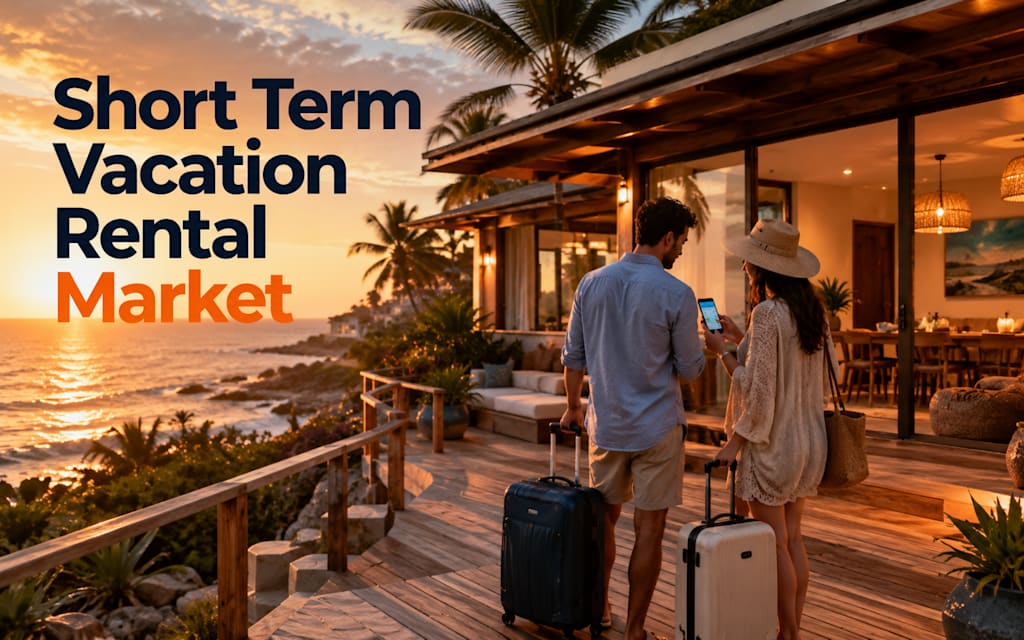
The glow from the balcony lights spilled across the narrow streets long after midnight. In cities once dominated by hotels, travelers are now unlocking doors to mountain cabins, rooftop lofts, and lakeside cottages with a single tap on their phones. The experience feels personal, intimate, and deeply connected to the places people visit.
That emotional shift is quietly transforming global travel. The short-term vacation rental market is no longer a niche trend built around convenience. It has become a lifestyle movement powered by flexibility, remote work, local immersion, and changing traveler expectations. Families want kitchens instead of room service. Solo travelers seek neighborhoods instead of tourist districts. Digital nomads crave homes instead of temporary spaces.
After years of changing travel behavior, the market is now entering a defining phase of expansion and influence across the global tourism economy.
According to Mordor Intelligence, the short-term vacation rental market size is expected to grow from USD 131.45 billion in 2025 to USD 145.73 billion in 2026 and is forecast to reach USD 244.13 billion by 2031 at 10.86% CAGR over 2026-2031.
Cities Are Becoming Living Travel Experiences
Modern travelers no longer want polished brochures or predictable itineraries. They want authenticity. That desire is fueling the rapid transformation of urban neighborhoods into curated living experiences where visitors can temporarily feel like locals.
A traveler arriving in Lisbon may choose a restored apartment tucked between old cafés instead of a traditional hotel tower. Someone visiting Kyoto may stay in a minimalist townhouse near quiet temples rather than inside a commercial tourism zone. The emotional appeal lies in immersion.
This transition is helping reshape the short-term vacation rental industry across both emerging and established destinations. Property owners are redesigning spaces with local character, smart technology, eco-conscious interiors, and personalized amenities that feel emotionally memorable rather than transactional.
The rising short-term vacation rental market growth is also creating ripple effects beyond tourism. Local cafés, neighborhood markets, cleaning services, designers, and property managers are all benefiting from the growing ecosystem surrounding alternative accommodations.
Travelers Are Redefining Comfort and Freedom
There was a time when luxury in travel meant chandeliers, marble lobbies, and uniformed staff. Today, luxury often means privacy, space, and emotional comfort.
A young couple booking a countryside retreat values silence more than crowded resorts. A remote employee wants reliable Wi-Fi beside mountain scenery. Multi-generational families prefer shared homes where memories can unfold naturally around a dining table.
This emotional migration toward personalized stays is steadily influencing the short-term vacation rental market share across global accommodation categories. Traditional hospitality models are adapting as travelers prioritize flexibility and local identity over formal service structures.
Social media has accelerated the shift. A single beautifully designed rental can attract millions of impressions online. Travelers now discover destinations through aesthetics, storytelling, and lived experiences shared by real guests rather than tourism campaigns alone.
Short-form videos showing cozy interiors, hidden landscapes, sunrise balconies, and work-from-anywhere lifestyles continue to inspire booking decisions worldwide. The visual culture surrounding travel has become deeply connected to rental properties themselves.
AI-driven recommendation systems are also changing guest behavior. Personalized search algorithms increasingly suggest stays based on lifestyle patterns, travel history, group size, and emotional preferences. This creates a more customized booking journey that feels intuitive rather than transactional.
At the same time, hosts are becoming storytellers. The most successful rentals are no longer just spaces to sleep. They create emotional narratives around belonging, discovery, wellness, and escape.
A Market Built on Human Connection and Flexibility
Despite technological innovation, the emotional core of the market remains surprisingly human.
Guests remember handwritten welcome notes. They remember local food recommendations from hosts. They remember sunrise views from unfamiliar windows and conversations in neighborhoods they never expected to explore.
That emotional attachment is helping sustain long-term momentum across the global short-term vacation rental market. Travelers increasingly seek experiences that feel adaptable, emotionally grounded, and socially connected.
The short-term vacation rental market size continues attracting attention because it intersects with larger lifestyle transformations:
- Hybrid work culture
- Flexible travel planning
- Experience-first spending
- Multi-week leisure stays
- Sustainable tourism preferences
These behavioral changes are unlikely to disappear. They are becoming deeply embedded into modern travel expectations.
At the same time, cities and property owners are navigating challenges involving regulations, housing supply, tourism balance, and local community impact. The future of the sector will likely depend on finding sustainable frameworks that support travelers while protecting neighborhood identity.
Still, demand continues evolving faster than traditional hospitality structures once predicted. The emotional promise of feeling “at home anywhere” resonates across generations, cultures, and travel styles.
As travelers continue searching for belonging instead of simply accommodation, the market’s momentum appears tied not only to economics but to changing human priorities.
The next decade of travel may not be defined by towering hotels or crowded tourism corridors. It may be shaped by quiet homes, personalized experiences, and meaningful moments unfolding behind ordinary doors around the world.
And perhaps that is the real transformation happening inside modern travel.
Have you ever stayed in a short-term vacation rental that completely changed the way you experienced a destination?
About the Creator
Enjoyed the story? Support the Creator.
Subscribe for free to receive all their stories in your feed.
Comments
There are no comments for this story
Be the first to respond and start the conversation.