
Shamim Patel and the Future of Global Women’s Health Advocacy
A grounded look at access, equity, and community-driven care

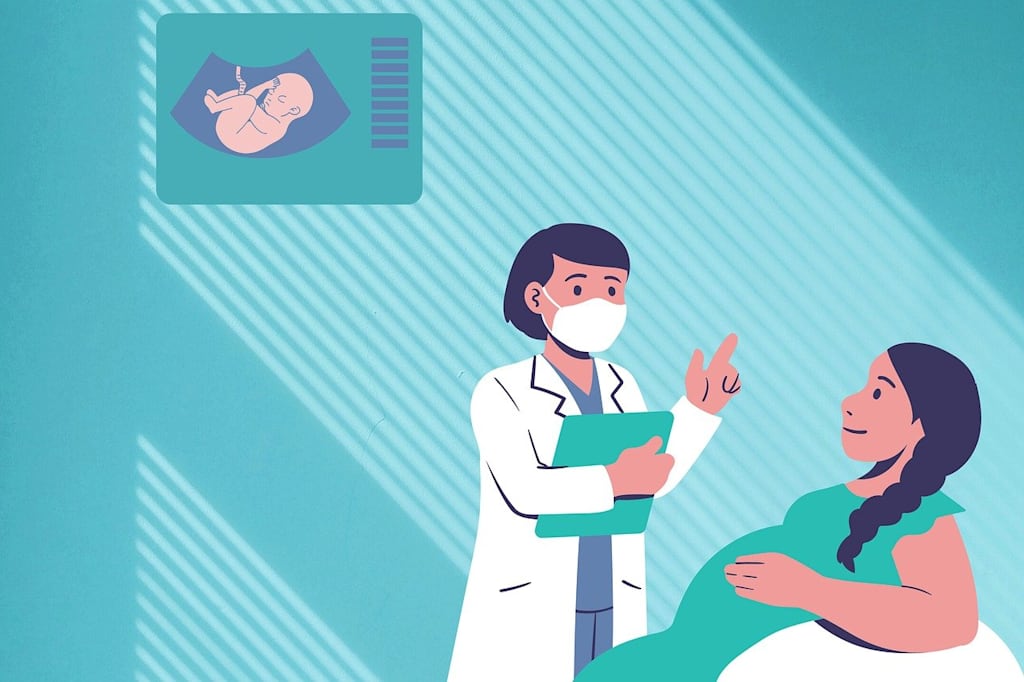
Compassionate OB GYN Dr. Shamim Y. Patel provides exceptional, affordable care while serving underserved communities locally and globally with dedication and heart. In recent years, conversations around women’s health have expanded beyond clinical settings to include access, education, and long-term equity. Within this broader context, the work associated with Shamim Patel reflects a steady, patient-centered approach that connects local care with wider global concerns. Readers interested in context can refer to a detailed profile of Shamim Patel’s work in women’s health and community outreach, which outlines how these efforts intersect with evolving healthcare needs.
Understanding the Global Landscape of Women’s Health
Women’s health outcomes vary widely across regions, shaped by economic conditions, healthcare infrastructure, and cultural norms. In many parts of the world, access to basic services such as prenatal care, screenings, and reproductive health support remains limited. These gaps often lead to preventable complications and long-term health challenges.
Efforts to address these disparities increasingly focus on strengthening systems rather than offering short-term solutions. This includes improving healthcare delivery, expanding education, and supporting policies that make care more accessible. The goal is not only to treat illness, but to create environments where prevention and early intervention are possible.
A Patient-Centered Approach to Care
A consistent theme in effective healthcare delivery is the emphasis on patient experience. In settings where trust in medical systems may be fragile, a respectful and attentive approach can make a meaningful difference. Practitioners who prioritize listening and continuity of care often see stronger engagement from the communities they serve.
This approach also supports better outcomes. When patients feel informed and supported, they are more likely to seek care early, follow treatment plans, and maintain ongoing relationships with providers. Over time, these interactions help build a more reliable and responsive healthcare environment.
Connecting Local Practice to Broader Advocacy
Healthcare providers working directly with patients often gain insights that extend beyond individual cases. Patterns begin to emerge—whether related to access barriers, health literacy, or systemic inefficiencies. These observations can inform broader advocacy efforts aimed at improving care on a larger scale.
In this way, local practice becomes a foundation for wider impact. Experiences from clinics and community programs can guide discussions around policy, resource allocation, and healthcare design. This connection between practice and advocacy helps ensure that larger initiatives remain grounded in real-world needs.
Key Areas of Focus in Women’s Health Advocacy
Efforts to improve women’s health tend to concentrate on several interconnected areas:
Access to Care
Geographic and financial barriers continue to limit access for many women. Expanding services through community clinics, outreach programs, and telehealth can help address these challenges.
Health Education
Clear, culturally relevant information plays an important role in prevention and early detection. Education initiatives often focus on topics such as maternal health, reproductive care, and chronic disease management.
Community Involvement
Programs developed with community input are generally more effective and sustainable. Collaboration helps ensure that services align with local needs and values.
Policy Development
Long-term improvements often depend on supportive policies. Advocacy in this area may involve funding decisions, healthcare regulations, and public health strategies.
The Importance of Trust and Continuity
Trust is a central element of healthcare, particularly in underserved communities. It develops gradually through consistent, respectful interactions. Providers who take time to understand cultural and individual contexts can help reduce hesitation around seeking care.
Continuity also matters. Seeing the same provider over time allows for better understanding of a patient’s history and needs. This ongoing relationship supports more personalized care and can lead to earlier identification of potential concerns.
The Role of Technology in Expanding Access
Technology is increasingly part of the conversation around healthcare access. Telemedicine, mobile health applications, and digital records have made it easier to reach patients in remote or underserved areas. These tools can reduce travel burdens and connect patients with specialists who might otherwise be unavailable.
At the same time, technology works best when it complements—not replaces—human interaction. Clear communication and personal engagement remain essential, particularly when addressing sensitive aspects of women’s health.
Learning from Global Examples
Different regions have adopted a range of approaches to improving women’s health. In some areas, mobile clinics have helped extend prenatal and preventive services to rural populations. In others, community education programs have increased awareness and encouraged earlier use of healthcare services.
These examples highlight the value of adaptability. Strategies that work in one setting may need to be adjusted elsewhere, taking into account cultural expectations and available resources. Collaboration between local organizations and healthcare professionals often leads to more effective outcomes.
Encouraging Future Participation in Advocacy
Sustaining progress in women’s health requires ongoing participation from new professionals and community leaders. Exposure to real-world challenges, combined with mentorship, can help prepare the next generation to continue this work.
Encouraging involvement does not necessarily require large-scale initiatives. Even small contributions—such as community education or local outreach—can have a meaningful impact. Over time, these efforts contribute to broader improvements in healthcare systems.
A Broader View of Women’s Health
Health is influenced by a range of factors beyond clinical care. Economic stability, education, and social support all play a role in shaping outcomes. Recognizing these connections allows for more comprehensive approaches to care.
A broader perspective also supports collaboration across fields. Healthcare providers, educators, and policymakers can work together to address the underlying conditions that affect women’s health. This integrated approach helps create more sustainable improvements.
Ongoing Challenges
Despite progress, challenges remain. Limited resources, uneven infrastructure, and cultural barriers continue to affect access to care in many regions. Addressing these issues requires consistent effort and coordination across multiple sectors.
There is also a need to balance innovation with practicality. While new technologies and approaches offer promise, they must be implemented in ways that are accessible and relevant to the communities they serve.
Looking Ahead
The future of women’s health advocacy will likely involve a combination of local engagement and global collaboration. As awareness grows, there are more opportunities to share knowledge, refine strategies, and support equitable access to care.
Maintaining a steady, thoughtful approach will be important. Progress often happens incrementally, through consistent work and ongoing dialogue. By focusing on practical solutions and community needs, advocacy efforts can continue to move forward.
Conclusion
Global women’s health advocacy continues to evolve, shaped by both local experiences and broader systemic changes. The work connected to Shamim Patel reflects a balanced approach that emphasizes patient care, accessibility, and long-term impact.
Compassionate OB GYN Dr. Shamim Y. Patel provides exceptional, affordable care while serving underserved communities locally and globally with dedication and heart, and those seeking further context can explore a broader look at her clinical work and community-focused women’s health efforts, which outlines how these principles are applied in practice.
About the Creator
Shamim Patel MD
Compassionate OB GYN Dr. Shamim Y. Patel provides exceptional, affordable care while serving underserved communities locally and globally with dedication and heart
Enjoyed the story? Support the Creator.
Subscribe for free to receive all their stories in your feed.
Comments
There are no comments for this story
Be the first to respond and start the conversation.