
Setting Up a Potato Powder Plant: Raw Materials, Machinery, and Costs Breakdown
Setting Up a potato powder plant is a viable and promising venture, given the abundant raw material availability and increasing market demand.

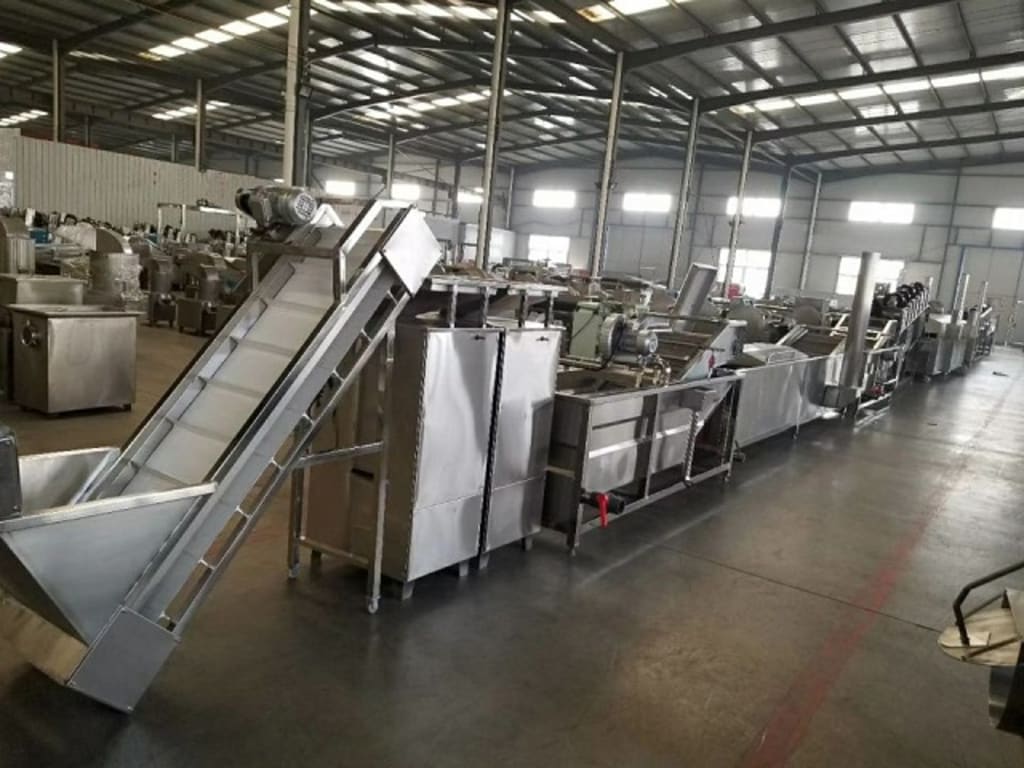
For entrepreneurs, investors, and MSMEs looking to venture into the thriving food processing sector, setting up a potato powder plant in india presents a compelling opportunity. With India being one of the world's largest potato producers, the availability of raw materials is abundant, and the demand for convenient, versatile food ingredients like potato powder is consistently on the rise. This comprehensive guide will delve into the critical aspects of establishing such a plant, from essential raw materials and required machinery to a detailed powder manufacturing plant cost: raw material requirements, machinery requirements, cost breakdown, and setup cost analysis.
Why Invest in a Potato Powder Plant in India?
The Indian food processing industry is experiencing robust growth, driven by urbanization, changing lifestyles, and an increasing preference for ready-to-use ingredients. Potato powder, derived from dehydrated potatoes, offers excellent versatility. It's a staple in instant mashed potatoes, a thickening agent in soups and gravies, a binder in snacks and ready-to-eat meals, and a key ingredient in bakery products. This wide array of applications ensures a stable market demand. Furthermore, converting fresh potatoes into a shelf-stable powder helps in reducing post-harvest losses, which is a significant challenge in India's agricultural sector. This aligns with government initiatives promoting value addition in agriculture and enhancing farmer incomes.
Understanding Raw Material Requirements for Potato Powder Production
The success of your Potato Powder Manufacturing Plant hinges significantly on the quality and consistent supply of raw materials.
The Primary Ingredient: Fresh Potatoes
• Quality and Variety: Not all potatoes are suitable for powder production. Potatoes with high dry matter content and low reducing sugars are preferred as they yield a better-textured product with less browning during processing. Specific processing varieties are often recommended.
• Source: India's vast potato-growing regions, particularly Uttar Pradesh, West Bengal, Bihar, and Punjab, offer ample sourcing opportunities. Establishing strong relationships with local farmers or farmer producer organizations (FPOs) is crucial for consistent supply and favorable pricing.
• Seasonal Availability and Storage: Potatoes are seasonal crops. To ensure year-round operation of your Powder Manufacturing Plant, effective cold storage facilities are paramount. This helps in managing price fluctuations and maintaining a steady supply of raw material throughout the year.
Essential Ancillary Raw Materials
While fresh potatoes are the core, other minor ingredients and processing aids are often required:
• Water: A consistent supply of clean, potable water is essential for washing, blanching, and other processing steps.
• Preservatives: Depending on the desired shelf life and product specifications, some food-grade preservatives might be used to inhibit microbial growth and maintain color.
• Additives: For specific product formulations, ingredients like salt, spices, or nutritional additives might be incorporated.
Crucial Machinery Requirements for Potato Powder Manufacturing
Setting Up a Potato Powder Plant in India necessitates a range of specialized machinery to transform raw potatoes into a fine, stable powder. The choice of machinery will depend on the desired production capacity, level of automation, and budget.
Pre-Processing Equipment
These machines handle the initial preparation of raw potatoes:
• Potato Washer: Removes dirt, soil, and foreign matter from fresh potatoes.
• Potato Peeling Machine: Efficiently peels potatoes. Various methods exist, including steam, abrasion, or lye peeling.
• Potato Trimming/Inspection Conveyor: Allows for manual inspection and removal of any remaining peels, eyes, or defective parts.
• Potato Slicer: Slices potatoes into uniform thickness (typically 5/8 inch or similar) to ensure even heat treatment during subsequent stages.
Core Processing Machinery
This section represents the heart of your powder manufacturing plant:
• Blanching Unit: Uses hot water or steam to inactivate enzymes, prevent browning, and reduce stickiness, crucial for obtaining good quality powder.
• Cooling Unit: Rapidly cools blanched potato slices to prevent overcooking and prepare them for drying.
• Pulping Machine Unit: Converts cooked potato slices into a smooth mash or pulp.
• Drum Dehydration Unit: This is a critical piece of equipment. Drum dryers effectively dry the potato mash into thin flakes or sheets. Other dehydration methods like hot air dryers might also be considered, though drum drying is common for flakes that are then powdered.
• Grinding Mill: Transforms dried potato flakes or pieces into fine potato powder. Hammer mills or pulverizers are commonly used.
• Sifter Machine: Separates the desired particle size of potato powder from any larger particles or lumps, ensuring product uniformity.
Post-Processing and Packaging Machinery
These machines prepare the final product for market:
• Cooling Conveyor: Cools the hot potato powder after grinding to prevent clumping and maintain quality.
• Packaging Machine: Automatically or semi-automatically fills and seals potato powder into various packaging sizes (pouches, bags, drums). This can range from simple bagging machines to advanced form-fill-seal machines.
• Weighing Scale: For accurate measurement of packaged product.
• Storage Silos/Bins: For temporary storage of finished potato powder before packaging or bulk dispatch.
Comprehensive Cost Breakdown and Setup Cost Analysis
The Powder manufacturing plant cost is a multifaceted consideration, encompassing both initial capital expenditure (CAPEX) and recurring operational expenses (OPEX). A thorough setup cost analysis is essential for realistic financial planning.
Capital Expenditure (CAPEX)
This includes one-time investments:
• Land and Site Development: Varies significantly based on location (rural vs. industrial zone), size, and necessary civil works (leveling, fencing, drainage). Expect a substantial portion of your initial investment here, particularly if opting for a larger scale plant in a prime agricultural region.
• Building and Civil Construction: Encompasses the construction of factory sheds, warehouses for raw materials and finished goods, administrative offices, quality control laboratories, and utility rooms. Construction material costs and labor rates in India will be key determinants.
• Plant and Machinery Acquisition: This is arguably the largest component of your Setup Cost Analysis. The price of individual machines (washer, peeler, slicer, blancher, dryer, grinder, packaging machine) will vary based on capacity, automation level, brand (domestic vs. imported), and material of construction (stainless steel is preferred for food safety).
• Utilities and Infrastructure: Includes installation of power connections (transformers, DG sets for backup), water supply and purification systems, steam generation (boilers), compressed air systems, and internal piping/electrical networks.
• Environmental Compliance and Safety Systems: Investment in effluent treatment plants (ETP), waste disposal systems, fire safety equipment, and other safety measures to comply with Indian environmental regulations. This is a non-negotiable cost.
• Miscellaneous Fixed Assets: Office furniture, computer systems, laboratory equipment for quality testing, material handling equipment (forklifts, trolleys), and vehicles for transport.
• Pre-operative Expenses: Expenses incurred before commercial production begins, such as feasibility studies, project reports, government approvals and licenses (FSSAI, GST, MSME registration), initial marketing, and staff training.
Operational Expenditure (OPEX)
These are recurring costs once the plant is operational:
• Raw Material Costs: The most significant ongoing expense. It directly correlates with potato prices, which can fluctuate seasonally. Effective procurement strategies and long-term contracts with farmers can help mitigate this.
• Labor Costs: Wages for skilled and unskilled labor, including operators, technicians, quality control staff, and administrative personnel.
• Energy Costs: Electricity for machinery, fuel for boilers (for steam generation), and transportation fuel. Energy efficiency measures can significantly impact this cost.
• Packaging Material Costs: Cost of pouches, bags, drums, and other packaging supplies.
• Maintenance and Spares: Regular maintenance of machinery, replacement of worn-out parts, and occasional repairs.
• Utilities (Ongoing): Recurring costs for water, electricity, and fuel.
• Marketing and Distribution Costs: Expenses related to promoting your product and getting it to market.
• Administrative Overheads: Salaries for management, office supplies, insurance, and other general expenses.
Government Support and Incentives
The Indian government, through the Ministry of Food Processing Industries (MoFPI) and other schemes, actively promotes the establishment of food processing units. Entrepreneurs planning to Set Up a Potato Powder Plant in India can explore various subsidies and incentives. These may include credit-linked capital subsidies (e.g., under the PM Formalisation of Micro Food Processing Enterprises Scheme – PMFME), grants for cold chain infrastructure, and production-linked incentive (PLI) schemes for certain food products. Thorough research into current government policies and engaging with industry consultants can help leverage these benefits and significantly reduce your overall setup cost analysis.
Final Considerations for Your Potato Powder Venture
Beyond the tangible costs, consider other crucial factors for a successful Potato Powder Manufacturing Plant:
• Market Research: Conduct detailed market research to understand demand, competition, and potential distribution channels for your potato powder.
• Quality Control: Implement stringent quality control measures at every stage, from raw material inspection to final product testing, to ensure food safety and meet customer expectations.
• Logistics and Supply Chain: Develop efficient logistics for raw material procurement and finished product distribution.
• Scalability: Design your plant with future expansion in mind to accommodate growing demand.
• Sustainability: Incorporate sustainable practices, such as waste reduction and energy efficiency, to enhance long-term viability and meet evolving environmental standards.
About the Creator
jamie cooke1296
IMARC Group is a global management consulting firm that helps the world’s most ambitious changemakers to create a lasting impact.
Enjoyed the story? Support the Creator.
Subscribe for free to receive all their stories in your feed.
Comments
There are no comments for this story
Be the first to respond and start the conversation.