
Scaling and Root Planing: Procedure, Recovery, and Benefits
Learn how scaling and root planing improves gum health, prevents tooth loss, and enhances your smile with ease

Hey there! If you’ve ever been told by your dentist that you need scaling and root planing, you might be wondering what it’s all about. Maybe your gums have been feeling a little tender, or you’ve noticed some bleeding when you brush. Don’t worry—you’re not alone, and this procedure could be the key to getting your oral health back on track. Today, we’re diving into everything you need to know about scaling and root planing: what happens during the procedure, how to recover smoothly, and the awesome benefits you’ll enjoy afterward. Let’s get started!
What Is Scaling and Root Planing?
Scaling and root planing might sound like something out of a construction manual, but it’s actually a super common dental treatment designed to tackle gum disease. Think of it as a deep-cleaning superhero for your teeth and gums. It’s typically recommended if you’ve got early signs of periodontal disease—like plaque buildup, tartar, or inflamed gums—that regular brushing and flossing just can’t handle.
The Basics of the Procedure
So, what’s the deal? This treatment has two main parts:
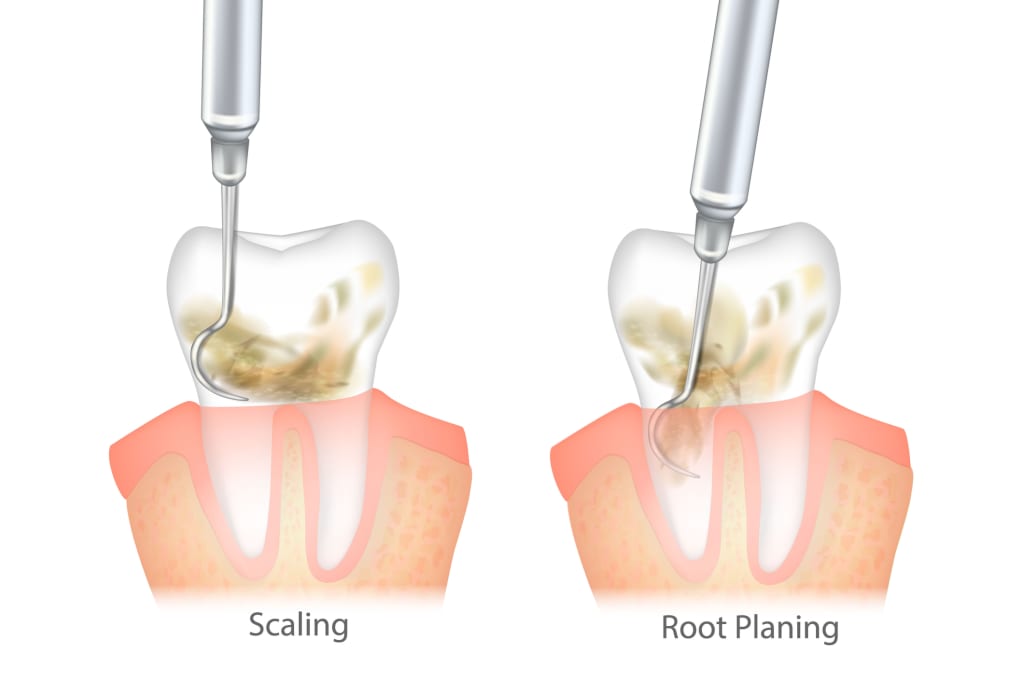
- Scaling: This is where your dentist or hygienist uses special tools to scrape away plaque and tartar from above and below your gumline. That hard, crusty stuff that builds up on your teeth? Gone!
- Root Planing: After scaling, they smooth out the roots of your teeth. This helps remove bacteria and gives your gums a clean surface to reattach to, promoting healing.
It’s a non-surgical procedure, which is great news—no scalpels or stitches here! Depending on how much buildup you’ve got, it might take one visit or a couple of sessions.
Why You Might Need It?
Gum disease doesn’t mess around. If plaque and tartar stick around too long, they can irritate your gums, leading to gingivitis or even periodontitis. Scaling and root planing steps in to stop that progression in its tracks. It’s especially helpful if you’ve got pockets forming between your gums and teeth—those little spaces where bacteria love to party.
What Happens During the Procedure?
Okay, let’s walk through what you can expect when you’re in the dental chair. First off, your Long Beach dentist will probably start by numbing the area with a local anesthetic. Nobody wants to feel every scrape, right? Once you’re comfortable, they’ll get to work with either manual tools (think tiny dental picks) or an ultrasonic device that uses vibrations to break up tartar. It’s like a power washer for your teeth!
Step-by-Step Breakdown
Here’s how it usually goes down:
- Numbing Up: A quick shot or gel to keep you pain-free.
- Scaling Action: They’ll carefully remove all that gunk from your teeth and below the gumline.
- Root Smoothing: The roots get polished up to make them less inviting to bacteria.
- Rinse and Check: A rinse to clear debris, and a final look to make sure everything’s spotless.
The whole thing might take 30 minutes to an hour per section of your mouth. If your Long Beach dentist is super thorough, they might split it into two visits—one for each side of your mouth.
Does It Hurt?
Good question! Thanks to the numbing, you shouldn’t feel much during the procedure. You might hear some scraping or feel slight pressure, but pain? Not really. Afterward, though, your gums might feel a little sensitive—more on that in a sec.
Recovery: What to Expect After Scaling and Root Planing
Alright, you’ve made it through the procedure—high five! Now, let’s talk recovery. Your gums might be a little sore or tender for a day or two, kind of like after a tough workout. Nothing major, but you’ll want to take it easy on them.
Immediate Aftercare Tips
Here’s how to keep things smooth sailing post-treatment:
- Take It Easy: Skip the spicy tacos or crunchy chips for a day or two. Soft foods like yogurt, mashed potatoes, or soup are your friends.
- Brush Gently: Use a soft-bristled toothbrush and go light on the pressure. Your gums need some TLC.
- Rinse with Saltwater: A warm saltwater rinse (1 teaspoon salt in a glass of water) can soothe inflammation and keep things clean.
- Pain Relief: Over-the-counter stuff like ibuprofen can help if you’re feeling achy.
How Long Does Recovery Take?
Most people bounce back within 48 hours—no biggie! Your gums might look a little red or bleed slightly when you brush at first, but that should taper off fast. If you’ve got deeper pockets or more severe gum issues, healing might take a week or so. Just follow your dentist’s advice, and you’ll be golden.
When to Call Your Dentist?
Super rare, but if you notice heavy bleeding, swelling, or pain that won’t quit after a couple of days, give your dental office a shout. It’s probably nothing, but better safe than sorry.
The Benefits of Scaling and Root Planing
Now for the fun part—why this procedure is worth it! Scaling and root planing isn’t just about cleaning; it’s about setting your mouth up for long-term awesomeness. Here’s what you’ll gain:
Healthier Gums
First and foremost, your gums will thank you. By clearing out bacteria and smoothing those roots, this treatment helps your gums heal and reattach to your teeth. Say goodbye to redness, swelling, and bleeding!
Fresher Breath
Nobody likes bad breath, right? Plaque and tartar are big culprits behind funky odors. Once they’re gone, your breath will be noticeably fresher. Confidence boost, activated!
Preventing Tooth Loss
Gum disease can loosen teeth over time, but scaling and root planing stops that progression early. Keeping your natural chompers in place? That’s a win.
Better Overall Health
Here’s a cool fact: Healthy gums don’t just benefit your mouth. Studies show gum disease is linked to stuff like heart disease and diabetes. Cleaning things up could give your whole body a health upgrade.
A Brighter Smile
While it’s not a whitening treatment, getting rid of tartar can make your teeth look cleaner and brighter. Who doesn’t love a dazzling smile?
How to Keep Your Mouth Happy Long-Term?
The procedure’s done, your gums are healing—now what? To keep that progress going, you’ve got to stay on top of your oral game. Brush twice a day, floss daily, and don’t skip those dental checkups. A solid routine keeps plaque from crashing the party again. Oh, and if you smoke, cutting back can seriously help your gums stay healthy.
Follow-Up Visits
Your dentist might want to see you a few weeks after the procedure to check how your gums are doing. Those pockets they measured before? They’ll measure again to make sure they’re shrinking. It’s like a progress report for your mouth!
Scaling and root planing might not sound glamorous, but it’s a game-changer for anyone dealing with gum issues. It’s straightforward, pretty painless, and packs a ton of benefits—from healthier gums to a happier smile. Plus, recovery’s a breeze if you treat your mouth kindly afterward. So, if your dentist suggests it, don’t sweat it—just go for it and enjoy the payoff. Your teeth and gums deserve it!
About the Creator
Enjoyed the story? Support the Creator.
Subscribe for free to receive all their stories in your feed.
Comments
There are no comments for this story
Be the first to respond and start the conversation.