
Saudi Prince Al Waleed Buys 5% Stake in Lucid Motors Amid Restructuring
The billionaire investor’s $2 billion-market-cap entry adds to the Kingdom’s majority ownership, signaling continued confidence as CEO Silvio Napoli streamlines operations and denies bankruptcy rumors.

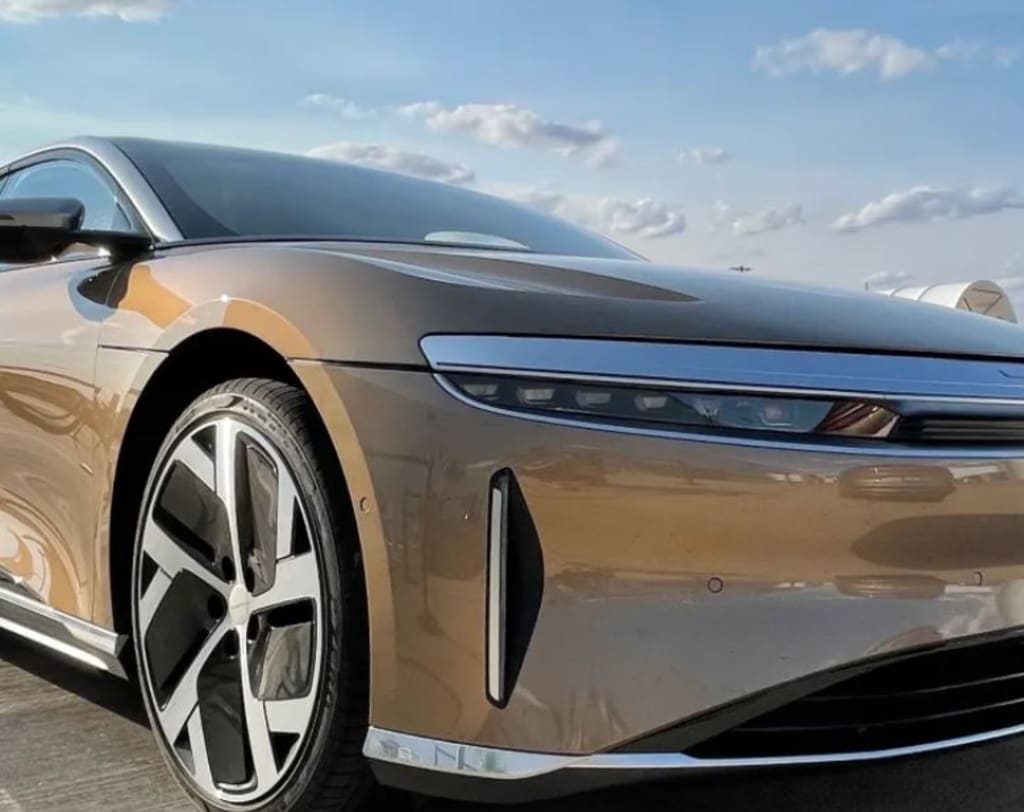
Prince Al Waleed bin Talal Al Saud has acquired a 5% stake in Lucid Motors, purchasing over 19 million shares when the EV maker’s market capitalization dipped below $2 billion on July 14. The move, disclosed in a Tuesday SEC filing, increases the Saudi royal family’s personal exposure to the company and reinforces the Kingdom’s broader commitment to Lucid at a critical juncture. The timing coincides with both a major corporate restructuring under new CEO Silvio Napoli and the aftermath of speculative reports suggesting Lucid was considering bankruptcy or a take-private deal, claims the company has firmly denied.
A Vote of Confidence at a Low Point
Prince Al Waleed confirmed on X that his investment office executed the purchase during Lucid’s recent valuation trough. That low point was triggered by an electric vehicle blog report alleging imminent financial distress or sovereign acquisition. Lucid “strenuously denied” the claims, and its stock has since rebounded. Nick Twork, Lucid’s chief communications officer, told TechCrunch: “We don’t comment on individual investments, but we are aware and appreciate the independent vote of confidence.”
The prince’s entry is distinct from but complementary to the Public Investment Fund (PIF), Saudi Arabia’s sovereign wealth fund, which has owned roughly 60% of Lucid since its 2021 SPAC merger. PIF has been Lucid’s financial lifeline, providing billions in loans and share purchases as the company struggles to achieve mass-market scale. Prince Al Waleed’s personal stake signals that elite Saudi investors still see long-term value despite near-term headwinds.
Restructuring Under New Leadership
The investment arrives as Lucid undergoes significant operational streamlining. Newly appointed CEO Silvio Napoli initiated an 18% workforce reduction in June, following earlier layoffs, to “simplify the company” and extend its cash runway. These cuts reflect a strategic pivot from aggressive expansion toward sustainable unit economics, a necessary recalibration after years of high burn rates and slower-than-expected production ramp-ups.
Napoli’s mandate is clear: stabilize operations, improve manufacturing efficiency, and position Lucid for profitability without relying solely on sovereign backing. The prince’s stake may provide political and financial cover for these painful but essential reforms, signaling that key stakeholders support the turnaround strategy even amid short-term pain.
Strategic Context: Saudi Arabia’s EV Bet
Lucid remains central to Saudi Arabia’s Vision 2030 diversification agenda. After abandoning plans to take Tesla private in 2018, PIF pivoted to Lucid as its flagship EV investment. The Kingdom views domestic EV manufacturing as critical to reducing oil dependence and building advanced industrial capacity. Despite Lucid’s challenges, Saudi patience appears unwavering: PIF continues to fund operations, and now a prominent royal investor has doubled down personally.
This dual-layer support sovereign plus private royal capital creates a unique safety net unavailable to most U.S. EV startups. It also raises questions about governance: How much strategic direction comes from Riyadh versus Lucid’s U.S.-based management? For now, the message is unity: both public and private Saudi capital remain aligned behind Lucid’s long-term vision.
Prince Al Waleed’s Tech Investment Legacy
Known as the “Arabian Warren Buffett,” Prince Al Waleed has a storied history in U.S. tech. Through his holding company, he was Twitter’s second-largest shareholder post-Musk acquisition after initially opposing the deal. He also holds stakes in Snap and Deezer. His Lucid investment follows this pattern: identifying distressed but strategically valuable assets and deploying capital when others hesitate.
Whether this bet pays off depends on Lucid’s ability to execute Napoli’s restructuring while navigating a brutal EV market. But with the Kingdom’s backing now reinforced by one of its most visible investors, Lucid has bought itself time and credibility to prove it can transition from sovereign-dependent startup to self-sustaining automaker. If you like what you read, it would be great if you subscribed; that would help support me and my future writing content. Thank you.
About the Creator
Mark Lim
Hi I am mark an automotive student and a car, tech and food enthusiast ! Im gonna try and post daily & hope you enjoy what I write and do share my page with people you know. I would gladly appreciate it! Cheers
Enjoyed the story? Support the Creator.
Subscribe for free to receive all their stories in your feed.
Comments
There are no comments for this story
Be the first to respond and start the conversation.