
Salma Karina Hayat on Business Growth: Leadership, Strategy, and Success
Leadership Strategies for Lasting Growth

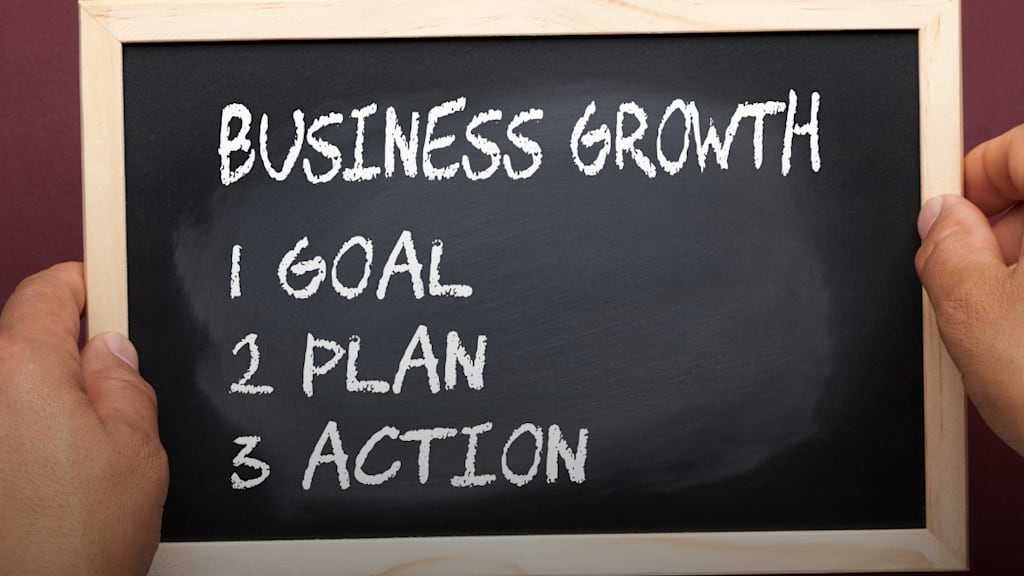
Business growth is often viewed as the ultimate indicator of success, but sustainable growth requires far more than increasing revenue or expanding market share. It demands strong leadership, thoughtful strategy, and a clear commitment to creating long-term value. In an increasingly competitive and rapidly changing business environment, organizations must balance innovation with stability, ambition with planning, and opportunity with responsibility. The perspective associated with Salma Karina Hayat reflects these principles, emphasizing the importance of leadership, strategic thinking, and continuous improvement as the foundation of lasting success.
At the heart of every successful business is effective leadership. Strong leaders provide direction, inspire confidence, and create an environment where individuals can perform at their best. Leadership is not simply about managing operations; it is about establishing a vision that motivates teams and guides decision-making. Organizations that achieve sustained growth are often led by individuals who understand the importance of adaptability, collaboration, and long-term planning.
According to the perspective of Salma Karina Hayat, leadership begins with purpose. Businesses that operate with a clear vision are better equipped to navigate challenges and capitalize on emerging opportunities. A strong vision aligns employees around common objectives and helps organizations remain focused even during periods of uncertainty. When leaders communicate this vision effectively, they foster a sense of shared commitment that drives performance and innovation.
Strategic planning is another essential component of business growth. While ambition fuels progress, growth without a clear strategy can create significant challenges. Businesses must carefully evaluate market conditions, customer needs, operational capabilities, and long-term objectives before pursuing expansion. A well-defined strategy provides a roadmap that helps organizations allocate resources effectively and make informed decisions.
Salma Karina Hayat’s perspective highlights the importance of balancing short-term goals with long-term sustainability. Organizations that focus solely on immediate results may overlook opportunities to build stronger foundations for future success. Strategic thinking encourages businesses to anticipate change, manage risks, and position themselves for continued growth in evolving markets.
Innovation plays a critical role in executing successful business strategies. In today’s fast-paced economy, customer expectations and industry trends are constantly changing. Organizations that embrace innovation are better prepared to adapt to these shifts and maintain a competitive advantage. Innovation can take many forms, from developing new products and services to improving internal processes and customer experiences.
A culture of innovation encourages employees to think creatively, explore new ideas, and challenge traditional approaches. Salma Karina Hayat emphasizes that businesses should foster environments where innovation is viewed as an ongoing process rather than a one-time initiative. By continuously seeking improvement, organizations can remain agile and responsive to emerging opportunities.
People are at the center of every successful business. Employees contribute not only their skills and expertise but also their creativity, dedication, and ability to collaborate. Businesses that invest in their workforce often achieve stronger performance and greater resilience. Professional development, mentorship, and opportunities for growth help create engaged teams that are motivated to contribute to organizational success.
Leadership and people development are closely connected. Effective leaders understand that empowering employees is essential for sustainable growth. Salma Karina Hayat’s perspective underscores the importance of building a culture of trust, accountability, and continuous learning. When employees feel valued and supported, they are more likely to contribute innovative ideas and work toward shared goals.
Customer focus is another key element of long-term business success. Growth is most sustainable when it is driven by a commitment to understanding and serving customers effectively. Organizations that prioritize customer satisfaction build stronger relationships and establish trust that can lead to long-term loyalty.
Listening to customer feedback, adapting to changing needs, and consistently delivering value are essential practices for maintaining a competitive advantage. Salma Karina Hayat recognizes that customer-centric organizations are often more successful because they remain closely connected to the people they serve. This focus on customer value helps businesses identify opportunities for innovation and continuous improvement.
Technology has also become a powerful driver of business growth. Digital transformation, automation, and data analytics are enabling organizations to improve efficiency, enhance decision-making, and create more personalized customer experiences. Businesses that leverage technology strategically can gain valuable insights into market trends and optimize their operations.
However, technology is most effective when integrated into a broader strategic framework. Salma Karina Hayat’s perspective emphasizes that technology should support organizational goals and enhance human capabilities rather than replace them. Successful businesses combine technological innovation with strong leadership and a people-focused approach.
Adaptability is another defining characteristic of organizations that achieve lasting success. Economic conditions, market dynamics, and consumer behaviors can change rapidly. Businesses that remain flexible and open to learning are better positioned to navigate uncertainty and seize new opportunities. Continuous improvement and a willingness to evolve help organizations remain resilient in the face of challenges.
Ethics and responsibility are equally important in sustaining growth. Businesses that operate with integrity and transparency often build stronger relationships with customers, employees, and stakeholders. Trust is a valuable asset that contributes to long-term success and strengthens an organization’s reputation. Sustainable growth is most effective when it is supported by responsible practices and a commitment to creating positive impact.
Looking toward the future, organizations that prioritize leadership, strategy, innovation, and adaptability will be best positioned to thrive. The business landscape will continue to evolve, presenting new opportunities and challenges. Companies that remain committed to learning, growth, and value creation will be able to navigate these changes successfully.
In conclusion, the perspective associated with Salma Karina Hayat highlights the essential role of leadership, strategy, and innovation in achieving sustainable business growth. Long-term success is built through clear vision, thoughtful planning, empowered teams, customer focus, and continuous improvement. By embracing these principles, organizations can create lasting value, strengthen their competitive position, and build resilient businesses capable of thriving in an ever-changing world. True success is not simply about growth—it is about creating a foundation that supports progress, innovation, and meaningful impact for years to come.
About the Creator
Zeeshan and Salma Karina Hayat
Zeeshan and Salma Karina Hayat are award-winning entrepreneurs, philanthropists, speakers, authors, and mentors.
Enjoyed the story? Support the Creator.
Subscribe for free to receive all their stories in your feed.
Comments