
Ryan Breslow’s Desperate Gamble to Save Bolt
Armed with a punitive bridge round and a shattered valuation, the controversial founder refuses to walk away from the checkout startup he built, betting everything on a miraculous turnaround.

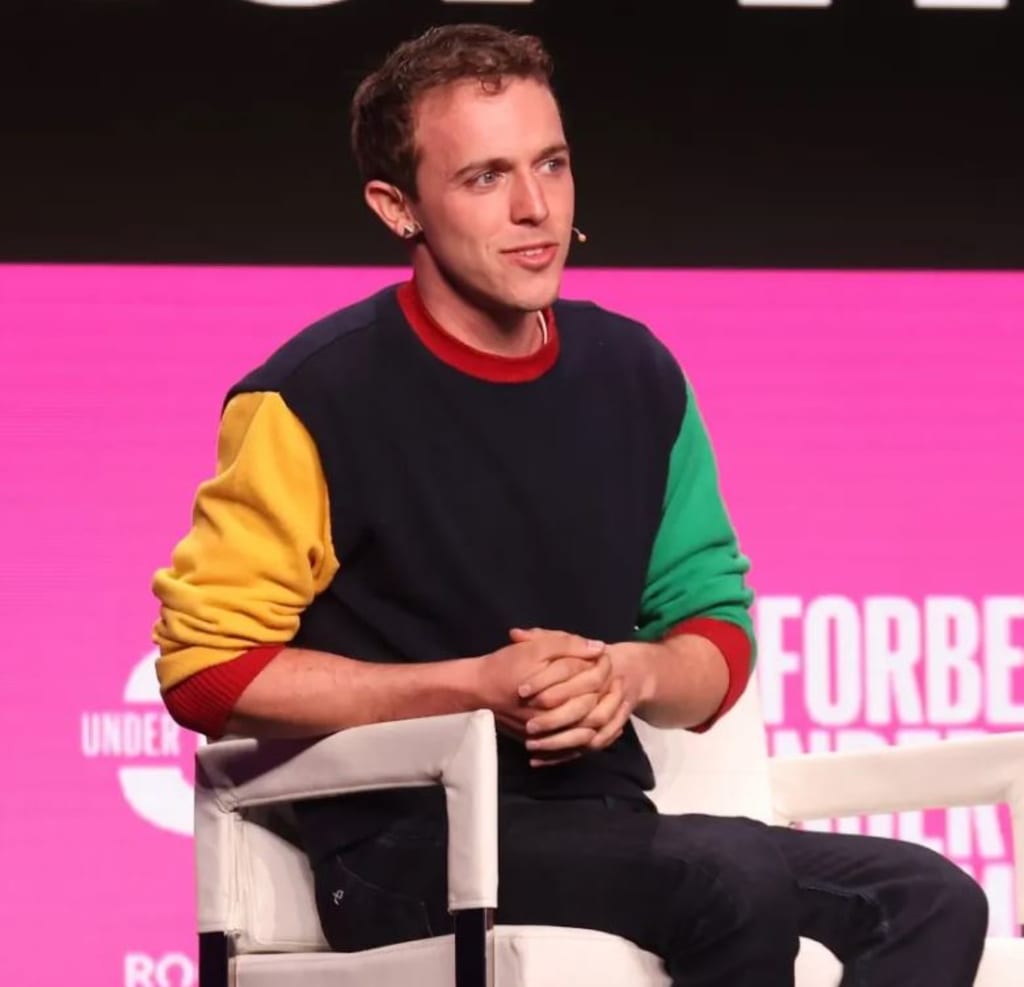
In the unforgiving ecosystem of Silicon Valley, the lifecycle of a fallen unicorn usually follows a predictable, melancholic arc: the valuation collapses, the board ousts the visionary founder, the headcount is gutted, and the remnants are either acquired or quietly liquidated. Ryan Breslow, however, has never been one for predictable arcs. The controversial entrepreneur who co-founded the checkout processing startup Bolt in 2014 as a nineteen-year-old Stanford dropout has returned to the helm, determined to resurrect a company that has seen its valuation plummet by ninety-seven percent. Once celebrated as an eleven-billion-dollar fintech darling in early 2022, Bolt is now valued at a mere three hundred million. Yet, rather than walking away to start anew, Breslow is orchestrating a high-stakes, potentially final financial maneuver to keep his creation on life support, driven by a conviction that borders on the obsessive.
The mechanism for Bolt’s survival is a bridge round of up to twenty-seven million dollars, a short-term financing structured as a convertible note designed to tide the company over until a more substantial Series E2 round can be closed. But the terms of this lifeline reveal the precariousness of Bolt’s position. The round includes a punitive "pay-to-play" provision, an aggressive contractual clause meaning existing backers who refuse to participate will see a massive portion of their equity wiped out. It is a classic squeeze play, forcing the hands of Bolt’s roughly one hundred investors to either double down on a severely wounded asset or lose their shirts. To demonstrate his own skin in the game, Breslow is personally committing five million dollars to the round. While bridge financings are often used by healthy startups to bridge the gap between major milestones, they are equally utilized by companies staring down the barrel of insolvency. Breslow declines to disclose Bolt’s exact cash runway, though he insists the company is nearing profitability after years of shrinking revenue.
The desperation of the current raise is inextricably linked to the spectacular implosion of Bolt’s previous fundraising attempts. Just two years ago, Breslow attempted to raise a massive four-hundred-and-fifty-million-dollar round at a staggering fourteen-billion-dollar valuation. That deal spectacularly collapsed after existing heavyweights like BlackRock and Hedosophia sued to block it. The lawsuit followed embarrassing revelations that a purported lead investor denied participating at all, while another had offered two hundred and fifty million dollars in "marketing credits" rather than actual cash. Though the lawsuit was eventually dismissed, the damage to Bolt’s credibility and its valuation was terminal. Today, Breslow maintains that the current board and a majority of preferred shareholders have signed off on the new, vastly more modest fundraise, but the shadow of that failed mega-round continues to loom over the company’s reputation.
Stripped of its former glory and its bloated payroll, Bolt is attempting to pivot from a hyper-growth darling to a lean, AI-driven operation. The company has slashed its headcount from nine hundred employees in 2021 to roughly sixty today. Breslow claims that artificial intelligence is allowing this skeletal crew to operate with ten times the efficiency, shipping products at a fraction of the previous cost. His vision for Bolt’s future relies heavily on a "super app" concept introduced last year, which attempts to integrate financial services, peer-to-peer payments, crypto, and credit cards into a single, one-click checkout experience. In a striking analogy, Breslow envisions Bolt as the "Lyft to Stripe’s Uber," positioning his company as the scrappy, resilient alternative to the undisputed market leader. He argues that Bolt possesses a competitive moat that would be virtually impossible to replicate from scratch, a foundational advantage he believes justifies the grueling turnaround effort.
The saga of Ryan Breslow and Bolt is less about financial metrics and more about the psychology of the founder. In an industry that often rewards serial entrepreneurs who quickly abandon their failures to launch their next venture, Breslow’s stubborn refusal to capitulate is a rarity. He admits that friends and backers have offered him ten million dollars to simply walk away and start a new company, sparing him the nightmare of untangling Bolt’s legacy obligations and investor disputes. Yet, he remains anchored to the startup he birthed twelve years ago. "I believe in Bolt more than anyone could possibly imagine," he insists. Whether that belief is enough to convince a skeptical syndicate of investors to fund his final stand remains to be seen. But as the pay-to-play clock ticks down, Breslow is making it unequivocally clear: he will not let Bolt die without a fight, even if he has to drag his investors into the trenches with him.
About the Creator
Mark Lim
Hi I am mark an automotive student and a car, tech and food enthusiast ! Im gonna try and post daily & hope you enjoy what I write and do share my page with people you know. I would gladly appreciate it! Cheers
Enjoyed the story? Support the Creator.
Subscribe for free to receive all their stories in your feed.
Comments
There are no comments for this story
Be the first to respond and start the conversation.