
RTG Crane Hydraulic Power Units
Components, Functions, and Maintenance Essentials for Reliable Crane Performance

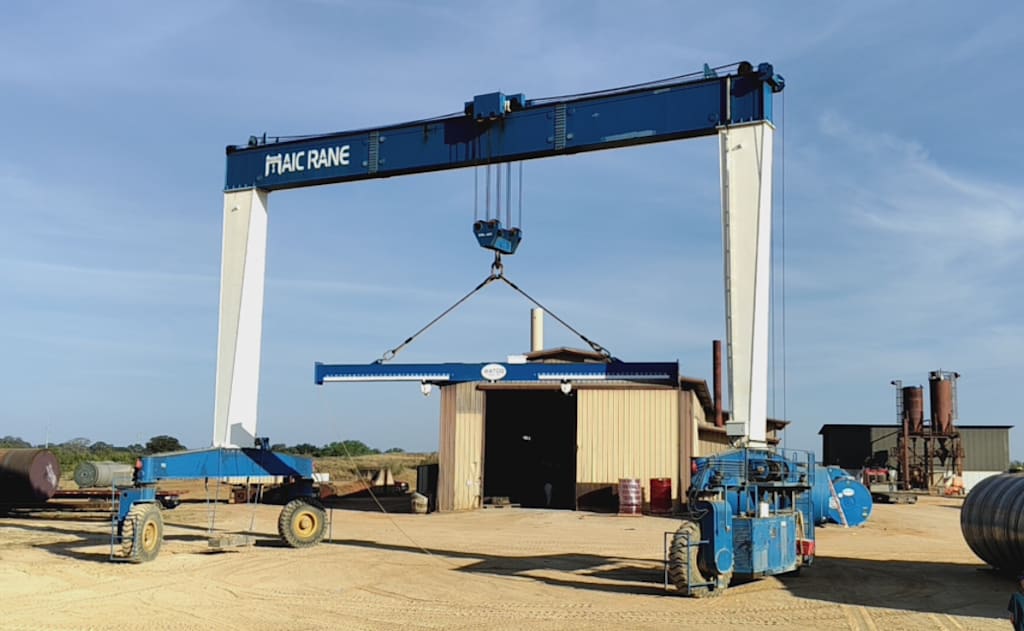
Rubber Tyred Gantry (RTG) cranes are widely used in container terminals, shipyards, and industrial facilities for handling heavy loads with flexibility and efficiency. While the electrical system controls crane operations and the mechanical structure provides strength, the hydraulic system plays a crucial role in powering several essential functions. At the heart of this hydraulic system is the Hydraulic Power Unit (HPU), which generates, regulates, and distributes hydraulic energy to various crane components.
Understanding the components and functions of an RTG hydraulic power unit is important for crane operators, maintenance personnel, and terminal managers who want to maximize equipment reliability, efficiency, and service life. This article explains the key elements of an RTG hydraulic power unit and how they work together to support crane operations.
What Is an RTG Hydraulic Power Unit?
A hydraulic power unit is a self-contained assembly designed to generate hydraulic pressure and supply hydraulic fluid to actuators throughout the crane. It converts mechanical energy from an electric motor or diesel-driven system into hydraulic energy that can perform work.
Unlike electrical systems that directly power motors, hydraulic systems use pressurized fluid to transmit force. This allows rubber tired gantry cranes to achieve powerful and precise movements while maintaining smooth operation under varying load conditions.
The hydraulic power unit serves as the central source of hydraulic energy for functions such as:
- Steering systems
- Brake systems
- Gantry travel mechanisms
- Spreader operations
- Wheel alignment systems
- Auxiliary lifting mechanisms
- Emergency operation systems
Without a properly functioning HPU, many critical RTG crane functions cannot operate safely or efficiently.
Why RTG Cranes Use Hydraulic Systems
Hydraulic systems offer several advantages in heavy-duty crane applications:
High Power Density
Hydraulic components can generate large amounts of force from relatively compact equipment, making them ideal for RTG crane applications.
Smooth Motion Control
Hydraulic actuators provide precise and controllable movement, reducing shock loads and improving operational accuracy.
Reliable Operation
Hydraulic systems perform consistently under harsh outdoor environments commonly found in ports and container terminals.
Flexible Power Transmission
Hydraulic energy can be easily routed through hoses and pipelines to different crane systems, simplifying equipment layout.
Main Components of an RTG Hydraulic Power Unit
An RTG hydraulic power unit consists of several integrated components that work together to generate and control hydraulic pressure.
Hydraulic Reservoir
The hydraulic reservoir, often called the oil tank, stores hydraulic fluid for the entire system.
Its functions include:
- Holding sufficient oil volume for operation
- Dissipating heat generated during operation
- Allowing contaminants and air bubbles to settle
- Providing reserve fluid during system demand fluctuations
The reservoir is typically fabricated from steel and designed with internal baffles that improve fluid circulation and cooling performance.
A properly sized reservoir contributes significantly to hydraulic system reliability and temperature control.
Hydraulic Pump
The hydraulic pump is the primary energy-generating component of the power unit.
Its role is to:
- Draw hydraulic fluid from the reservoir
- Convert mechanical energy into hydraulic flow
- Deliver pressurized oil to the hydraulic circuit
Common pump types used in RTG cranes include:
Gear Pumps
Gear pumps are known for:
- Simple construction
- Low maintenance requirements
- Cost-effective operation
They are often used for auxiliary hydraulic systems.
Piston Pumps
Piston pumps offer:
- High pressure capability
- Excellent efficiency
- Variable displacement control
These pumps are frequently selected for high-performance RTG applications where precise control is required.
Vane Pumps
Vane pumps provide:
- Smooth fluid delivery
- Moderate pressure capability
- Quiet operation
They are commonly used in systems requiring stable hydraulic flow.
Electric Motor or Prime Mover
The hydraulic pump requires a power source to operate.
In modern electric RTGs, the hydraulic pump is typically driven by an electric motor. In diesel-powered RTGs, the pump may be connected to the diesel engine.
The motor's function is to:
- Provide rotational power
- Maintain pump speed
- Ensure stable hydraulic pressure generation
Proper motor sizing is critical because insufficient power can limit hydraulic system performance.
Hydraulic Filters
Hydraulic oil cleanliness directly affects system reliability.
Filters remove contaminants such as:
- Metal particles
- Dust
- Dirt
- Water contamination
- Seal debris
The main filter locations include:
Suction Filter
Installed between the reservoir and pump.
Purpose:
- Protect the pump from large contaminants
- Prevent premature pump wear
Pressure Filter
Located after the pump.
Purpose:
- Protect sensitive hydraulic components
- Ensure clean oil reaches valves and actuators
Return Line Filter
Installed before oil returns to the reservoir.
Purpose:
- Remove contaminants generated during operation
- Maintain long-term oil cleanliness
High-quality filtration significantly reduces maintenance costs and component failures.
Pressure Relief Valve
Hydraulic systems require protection against excessive pressure.
The pressure relief valve serves as a safety device by:
- Limiting maximum system pressure
- Preventing hose failures
- Protecting pumps and valves
- Reducing risk of component damage
When pressure exceeds a preset value, the valve redirects oil back to the reservoir.
This simple component plays a vital role in maintaining hydraulic system safety.
Directional Control Valves
Directional control valves determine where hydraulic fluid flows within the system.
They act as traffic controllers by directing oil toward specific actuators.
Functions include:
- Extending hydraulic cylinders
- Retracting cylinders
- Starting hydraulic motors
- Reversing motor rotation
- Stopping movement
Modern RTGs often use electro-hydraulic proportional valves that provide highly accurate control of hydraulic functions.
Flow Control Valves
Flow control valves regulate the volume of hydraulic fluid passing through the system.
Their primary purpose is to control movement speed.
Examples include:
- Steering speed adjustment
- Spreader movement control
- Wheel alignment operation
- Auxiliary equipment positioning
By controlling flow rate, operators can achieve smooth and precise crane movements.
Pressure Control Valves
Pressure control valves regulate hydraulic pressure throughout various circuits.
They help:
- Maintain stable operating conditions
- Protect sensitive components
- Optimize energy usage
- Improve operational consistency
Different crane functions may require different pressure levels, making these valves essential for system performance.
Hydraulic Accumulator
Many RTG hydraulic systems incorporate accumulators.
An accumulator stores hydraulic energy by compressing a gas, usually nitrogen.
Benefits include:
- Absorbing pressure fluctuations
- Reducing pump workload
- Providing emergency hydraulic power
- Improving system responsiveness
In some emergency braking systems, accumulators ensure sufficient hydraulic pressure remains available even during power loss.
Hydraulic Cylinders
Hydraulic cylinders convert fluid pressure into linear mechanical force.
Common RTG applications include:
- Steering mechanisms
- Wheel alignment systems
- Brake actuation
- Spreader locking systems
Cylinders enable powerful movement while maintaining accurate positioning.
Hydraulic Motors
Hydraulic motors convert hydraulic energy into rotary motion.
They are often used for:
- Spreader rotation
- Auxiliary drive systems
- Special handling attachments
Hydraulic motors provide high torque output even at low rotational speeds, making them suitable for heavy-duty applications.
Cooling System
Hydraulic fluid temperature has a major impact on system performance.
Excessive heat can lead to:
- Reduced oil viscosity
- Accelerated component wear
- Seal deterioration
- Energy losses
To prevent overheating, RTG hydraulic power units often include:
Air-Oil Coolers
These systems use fans to remove heat from hydraulic oil.
Advantages include:
- Simple installation
- Lower maintenance
- Suitable for most RTG environments
Water-Oil Coolers
Used in applications requiring greater cooling capacity.
Benefits include:
- Higher heat removal efficiency
- Stable temperature control
Maintaining proper oil temperature helps extend hydraulic component life.
Hydraulic Monitoring and Control Systems
Modern RTG cranes increasingly utilize intelligent hydraulic monitoring systems.
These systems track:
- Oil temperature
- System pressure
- Fluid level
- Filter condition
- Pump performance
- Motor operating status
Operators receive real-time information through crane control interfaces.
Predictive maintenance systems can detect abnormal conditions before major failures occur, reducing downtime and maintenance costs.
How the Hydraulic Power Unit Works
The operating sequence of an RTG hydraulic power unit generally follows these steps:
Step 1: Motor Starts
The electric motor begins rotating the hydraulic pump.
Step 2: Pump Draws Oil
The pump pulls hydraulic fluid from the reservoir through the suction line.
Step 3: Pressure Generation
The pump pressurizes the hydraulic fluid and delivers it into the hydraulic circuit.
Step 4: Flow Distribution
Control valves direct hydraulic flow to the required actuator.
Step 5: Work Performance
Hydraulic cylinders or motors convert hydraulic energy into mechanical movement.
Step 6: Oil Return
The hydraulic fluid returns through filters to the reservoir.
Step 7: Continuous Circulation
The cycle repeats continuously while hydraulic functions are active.
Common Hydraulic Power Unit Maintenance Practices
Proper maintenance significantly improves RTG hydraulic system reliability.
Recommended practices include:
Regular Oil Analysis
Monitor:
- Contamination levels
- Water content
- Viscosity
- Oxidation condition
Filter Replacement
Replace filters according to maintenance schedules or pressure differential indicators.
Leak Inspection
Check:
- Hoses
- Fittings
- Valves
- Cylinders
- Pump seals
Temperature Monitoring
Investigate abnormal temperature increases immediately.
Pressure Testing
Verify that operating pressures remain within manufacturer specifications.
Reservoir Cleaning
Periodically remove accumulated sludge and contaminants from the tank.
Conclusion
The hydraulic power unit serves as the operational heart of an RTG crane's hydraulic system. By generating, controlling, and distributing hydraulic energy, it enables critical crane functions such as steering, braking, spreader operation, and auxiliary movements. Key components—including the reservoir, hydraulic pump, motor, filters, valves, accumulators, cylinders, and cooling systems—must work together seamlessly to ensure safe and efficient mobile gantry crane operation.
A thorough understanding of these components and their functions allows operators and maintenance teams to diagnose issues more effectively, improve equipment reliability, reduce downtime, and extend the service life of RTG cranes. As modern container terminals continue to demand higher productivity and lower maintenance costs, well-designed and properly maintained hydraulic power units remain essential to achieving optimal RTG performance.
About the Creator
Aicrane01
Welcome to the Aicrane Blog, your practical guide to lifting solutions. Discover articles covering overhead cranes, gantry cranes, winches, steel structures, boat lifts, and more.
Website: https://steelmillcranes.com/
Enjoyed the story? Support the Creator.
Subscribe for free to receive all their stories in your feed.
Comments
There are no comments for this story
Be the first to respond and start the conversation.