
Root Canal Retreatment: When and Why It’s Needed
Root Canal Retreatment: Why It Happens, When It’s Needed, and How to Ensure a Smooth Recovery

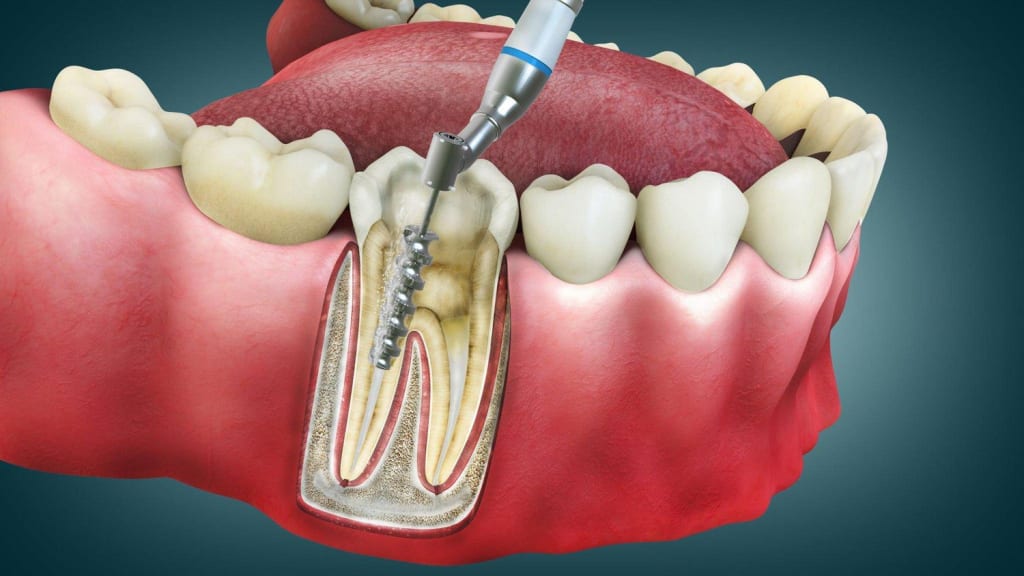
A root canal is a procedure to save a tooth damaged by decay, injury, or infection. The dentist removes the infected pulp (the soft tissue inside the tooth), cleans the canals, and seals them to prevent further issues. While root canals have a high success rate—over 95% according to the American Association of Endodontists—some cases require additional attention. Retreatment addresses issues that arise after the initial procedure, ensuring the tooth remains functional and pain-free.
This isn’t about the treatment failing but rather about addressing new or persistent challenges. Think of it like a car needing a tune-up after years of use—sometimes, a little extra care is necessary to keep things running smoothly.
Why Might You Need Root Canal Retreatment?
Several factors can necessitate retreatment. Understanding these can help you recognize symptoms early and seek timely care. Here are the most common reasons:
1. Persistent or New Infections
Bacteria can sometimes linger in the tooth’s canal system, especially if the initial treatment didn’t fully eliminate the infection. Complex canal anatomy, such as curved or narrow canals, can make complete cleaning difficult. Additionally, new decay or a cracked tooth can allow bacteria to re-enter, causing reinfection. Symptoms like swelling, pain when chewing, or sensitivity to hot and cold may signal this issue.
2. Incomplete Initial Treatment
Not all root canals are straightforward. Some teeth have intricate canal systems that are hard to navigate. If a canal is missed or not fully sealed, bacteria can thrive, leading to discomfort or abscesses. Advanced imaging, like 3D cone-beam CT scans, helps endodontists identify these issues during retreatment.
3. Restoration Issues
The crown or filling placed after a root canal is meant to protect the tooth. If the restoration leaks, cracks, or comes loose, bacteria can seep in, compromising the treatment. A poorly fitting crown or delayed placement can also contribute to this problem.
4. Trauma or New Damage
Physical trauma, like a blow to the mouth, can damage a previously treated tooth. Similarly, new cavities or fractures can expose the tooth to infection. Regular dental checkups can catch these issues before they escalate.
5. Delayed Healing or Complications
In rare cases, the tooth doesn’t heal as expected. This could be due to a resistant infection, an immune response, or even a cyst forming at the root tip. Retreatment, sometimes paired with a minor surgical procedure called an apicoectomy, can resolve these complications.
If you’re noticing symptoms like persistent pain, swelling, or a bad taste in your mouth, consult an endodontist—a dentist specializing in root canals. Early intervention can prevent more serious issues, like tooth loss.
Signs You May Need Retreatment
Recognizing the signs of a struggling root canal is key to getting timely care. Common symptoms include:
- Pain or discomfort when biting or chewing.
- Swelling or tenderness in the gums near the treated tooth.
- Sensitivity to hot, cold, or sweet foods that lingers.
- A pimple-like bump (fistula) on the gums, which may drain pus.
- Darkening of the tooth, indicating internal issues.
Not all cases have obvious symptoms. Routine dental X-rays can reveal hidden problems, like bone loss around the tooth’s root, even if you feel fine. This is why regular checkups are critical.
The Retreatment Process: What to Expect
Root canal retreatment is similar to the initial procedure but often requires extra precision. Here’s a step-by-step look at what happens:
- Diagnosis and Planning: Your endodontist will review your dental history, take X-rays, and possibly use 3D imaging to assess the tooth. They’ll discuss your symptoms and explain the treatment plan.
- Accessing the Tooth: After numbing the area, the dentist removes the crown, filling, or other restoration to access the canals.
- Cleaning and Disinfection: The old filling material is removed, and the canals are thoroughly cleaned to eliminate bacteria. Specialized tools, like ultrasonic instruments, help navigate complex anatomy.
- Sealing the Canals: Once clean, the canals are filled with a biocompatible material (usually gutta-percha) and sealed to prevent reinfection.
- Restoration: A temporary or permanent filling is placed, followed by a crown to protect the tooth. Your dentist will ensure the restoration fits perfectly to avoid future leaks.
The procedure typically takes one or two visits, depending on the complexity. Thanks to modern anesthesia and technology, most patients report minimal discomfort, often less than during the original treatment.
Aftercare and Recovery Tips
Post-retreatment care is crucial for healing and long-term success. Your endodontist will provide specific instructions, but here are general tips to follow:
- Manage Discomfort: Mild soreness is normal for a few days. Over-the-counter pain relievers like ibuprofen usually suffice. Contact your dentist if pain persists beyond a week.
- Oral Hygiene: Brush and floss gently around the treated area to keep it clean. Consider an antiseptic mouthwash to reduce bacteria.
- Follow-Up: Attend all scheduled checkups to monitor healing. X-rays may be taken to ensure the infection is gone.
- Protect the Tooth: Avoid chewing on the treated side until the permanent crown is placed. Sticky or hard foods can damage the temporary restoration.
When it comes to foods to eat after a root canal, opt for soft, easy-to-chew options like yogurt, mashed potatoes, scrambled eggs, or smoothies. These minimize pressure on the tooth and support recovery. Avoid crunchy, sticky, or very hot/cold foods for at least a week.
Preventing the Need for Retreatment
While not all issues are preventable, you can reduce the risk of needing retreatment with these habits:
- Maintain Good Oral Hygiene: Brush twice daily, floss regularly, and visit your dentist for cleanings every six months.
- Protect Your Teeth: Wear a mouthguard during sports or if you grind your teeth at night.
- Address Issues Early: Don’t ignore tooth pain or swelling. Prompt treatment can prevent complications.
- Choose Quality Restorations: Ensure crowns and fillings are well-crafted and placed promptly after a root canal.
Partnering with a skilled endodontist and staying proactive about your dental health can make all the difference.
When to Consider Alternatives
In some cases, retreatment may not be the best option. If the tooth is severely damaged or the infection persists despite retreatment, extraction may be recommended. Dental implants or bridges can replace the missing tooth, restoring function and aesthetics. Your endodontist will weigh the pros and cons with you, considering factors like your overall health, budget, and preferences.
Trusting Your Dental Care Team
Root canal retreatment might sound daunting, but it’s a routine procedure for endodontists, who have advanced training in these cases. By choosing a board-certified professional and staying informed, you can approach the process with confidence. If you’re unsure where to start, ask your general dentist for a referral to a trusted endodontist in your area.
Have questions about retreatment or experiencing symptoms? Don’t wait—reach out to your dentist today to protect your smile and keep your teeth healthy for years to come.
About the Creator
Centreville Family And Cosmetic Dentistry
Centreville Family and Cosmetic Dentistry is your trusted Dentist Centreville, serving families, young professionals, and seniors with excellent care. We offer preventive, cosmetic, and restorative services and more.
Enjoyed the story? Support the Creator.
Subscribe for free to receive all their stories in your feed.
Comments
There are no comments for this story
Be the first to respond and start the conversation.