
Root Canal Infection? These Signs Say It’s Time to Get Help
Spotting signs of a root canal infection early can save your tooth. Learn the key symptoms that mean it’s time to see your dentist—before it gets worse.

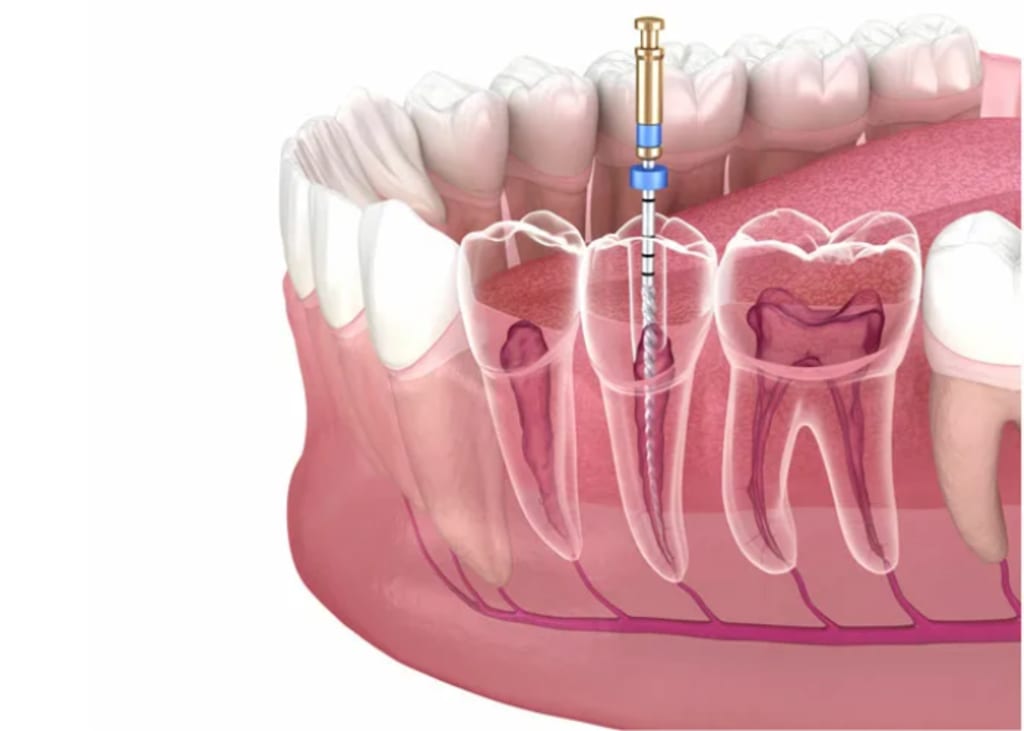
Nobody wants to hear the words "root canal"—let alone deal with an infection tied to one. But the truth is, ignoring the early signs can make things much worse. Root canal infections don’t go away on their own. They sneak up quietly, linger, and often escalate into bigger dental and health problems if left untreated. Knowing what to look for could save your tooth—and your sanity.
Let’s break down the signs that scream “It’s time to see the dentist!”
Persistent Pain That Doesn’t Quit
Pain is your body’s alarm system. If you're feeling an ache deep in your tooth that doesn’t fade after a few days—or keeps coming back—it’s more than just a sensitive spot. This could be a sign that infection has reached the pulp (the soft tissue inside your tooth).
It often feels like:
- A throbbing pain, even when you're not chewing.
- Pressure that worsens when biting down.
- Discomfort radiating to the jaw, ear, or nearby teeth.
This type of pain doesn’t usually fade with over-the-counter painkillers for long. It's not just annoying—it’s a flashing warning light.
Swollen Gums Near the Affected Tooth
Your gums can tell you a lot. If you notice puffiness, swelling, or tenderness near one specific tooth, your body might be trying to fight off infection. The swelling may come and go, but that doesn’t mean the problem is resolved.
You may also notice a small bump on the gums that looks like a pimple or blister. This is called a dental abscess—and it’s your mouth’s way of draining pus. It may ooze or have a foul taste when it bursts. Not fun.
Don’t press on it. And definitely don’t ignore it.
Tooth Discoloration or Darkening
An infected tooth often starts to change color. If one of your teeth suddenly turns gray, brown, or dark yellow, something deeper is going on. When the nerve inside a tooth dies from infection, it can no longer nourish the tooth tissue. The result? Visible changes in color.
It’s not always painful, which makes it easier to overlook. But the change in color is a visual red flag.
Sensitivity That Lingers Too Long
Sure, some people have sensitive teeth. But with a root canal infection, the sensitivity isn’t normal—it lingers.
If you sip on hot coffee or cold water and the pain sticks around for more than a few seconds, that’s not your usual enamel wear. It could mean that the nerve inside your tooth is inflamed or infected.
Chronic sensitivity is often one of the first signs people notice—yet many brush it off as “just sensitivity.” Don’t make that mistake.
Bad Breath That Doesn’t Improve
Halitosis isn’t always about what you ate. When a root canal infection is in play, the presence of bacteria and decaying tissue can create a foul odor that brushing and mouthwash can’t fix.
This kind of bad breath tends to persist. It might be paired with a bad taste in your mouth, especially if there's pus involved. That’s a definite sign that something's wrong below the surface.
A Loose Tooth in Adults? That's Not Normal
If one of your adult teeth starts to feel wobbly or loose, infection could be weakening the surrounding bone or ligament. A root canal infection puts pressure on the structures that hold your tooth in place, and in time, they may start to give out.
Tooth mobility is never a good sign in adults. It often means damage is spreading and intervention is overdue.
Fever and General Fatigue
In some cases, an infection can cause systemic symptoms. If the infection spreads, your body responds like it would to any other bacterial invasion—with a fever, fatigue, or even swollen lymph nodes.
This is where things shift from dental problem to full-body concern. Once bacteria from a dental abscess enter your bloodstream, it can lead to more serious complications—like sepsis. That’s a rare but life-threatening scenario.
So yes, your toothache could impact your whole body.
Jaw Pain or Facial Swelling
If you’ve started noticing swelling in your jaw or lower face, that could mean an abscess is growing inside the bone or surrounding tissues. This may cause:
- Pain when opening your mouth.
- Pressure in the jaw or cheek.
- Difficulty chewing or swallowing.
Facial swelling from a root canal infection needs immediate care. It’s often a late-stage sign that the infection is spreading beyond the tooth.
Trouble Sleeping or Eating
Chronic tooth pain can be exhausting. If it’s keeping you up at night or making meals feel like a chore, it’s already affecting your quality of life. People often try to manage these symptoms at home—switching sides to chew, avoiding certain foods—but the real solution is to treat the root cause.
Root canal therapy can eliminate the infection, stop the pain, and save your tooth. Waiting only allows the bacteria more time to do damage.
Why Waiting Makes Things Worse
Let’s be clear: root canal infections don’t heal on their own. No amount of rinsing, brushing, or essential oils will remove infected pulp or drain a serious abscess. You may feel better for a day or two, but the infection is still alive—and it’s still growing.
If left untreated:
- The tooth may become non-restorable and need to be extracted.
- Infection can spread to nearby teeth, jawbone, or sinus cavities.
- In rare cases, bacteria can travel to the heart or brain.
It’s not about being dramatic—it’s about being safe. Modern root canals are far less intimidating than they used to be, and they can spare you a lot of future pain.
What to Expect from Treatment
If you’ve noticed any of these symptoms, the next step is a dental visit. Your dentist may take X-rays to see if the infection has spread into the bone. A root canal procedure involves removing the infected pulp, cleaning the inside of the tooth, and sealing it to prevent further damage.
In some cases, antibiotics may be prescribed if the infection has spread. But antibiotics alone aren’t a long-term solution—they’re just a temporary patch.
A crown is usually added afterward to restore the tooth’s function and appearance.
The good news? Most root canals are completed in just one or two appointments. And no, they don’t feel like torture chambers anymore.
Your Tooth Is Talking—Listen Carefully
Toothaches aren’t always innocent. A root canal infection often starts quietly but speaks loudly once it takes hold. If you’re experiencing any of the signs we’ve discussed—especially a combination of them—it’s time to act. Don’t wait for it to “go away.”
Dental problems are easiest (and cheapest) to fix early on. And thanks to modern dentistry, a root canal isn’t something to fear—it’s something to be grateful for.
Protect your smile. Listen to what your body’s telling you. And when in doubt, get it checked out.
About the Creator
Town Center Dental Cedar Park
At Town Center Dental Cedar Park, our dentist near me, Dr. Samir Momin wants all our clients to feel welcomed and cared for at our dentistry.
Enjoyed the story? Support the Creator.
Subscribe for free to receive all their stories in your feed.
Comments
There are no comments for this story
Be the first to respond and start the conversation.