
Roller Garage Doors: Benefits, Installation, and Maintenance
Roller Garage Doors

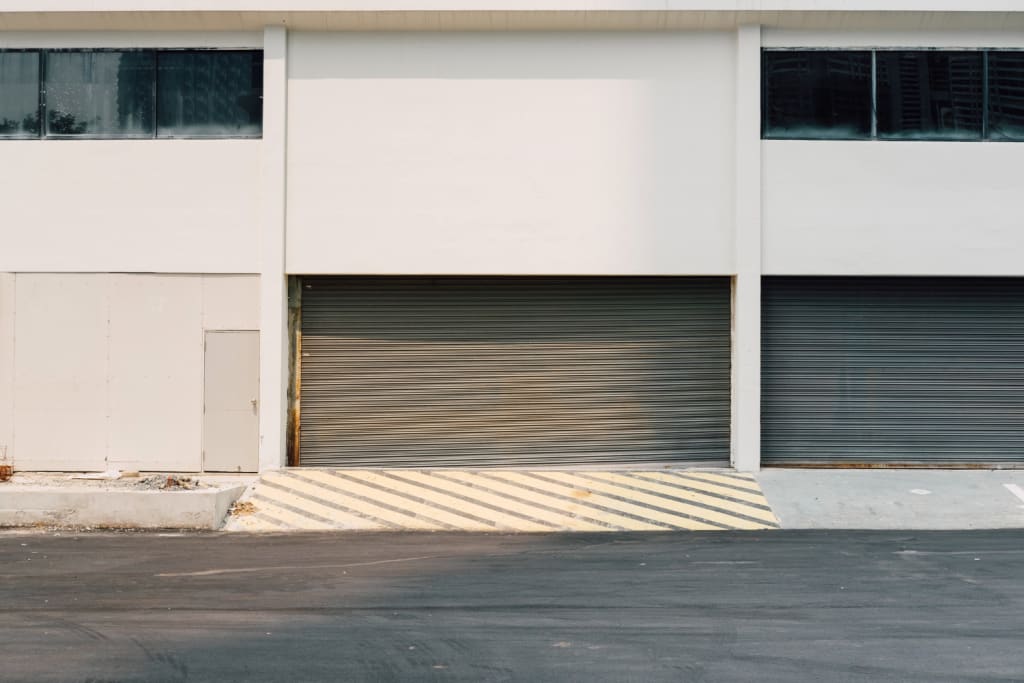
A roller garage door is an excellent choice for homeowners looking for security, durability, and space efficiency. Unlike traditional garage doors, roller garage doors roll up into a compact box, saving space and providing seamless operation. Whether you're considering installing a new garage door or need garage door repair, understanding the benefits, installation process, and maintenance requirements can help you make an informed decision.
Benefits of Roller Garage Doors
1. Space-Saving Design
One of the primary advantages of roller garage doors is their compact design. Unlike traditional doors that swing outward or slide, roller garage doors neatly roll into a compact drum above the opening. This makes them ideal for homes with limited driveway space.
2. Enhanced Security
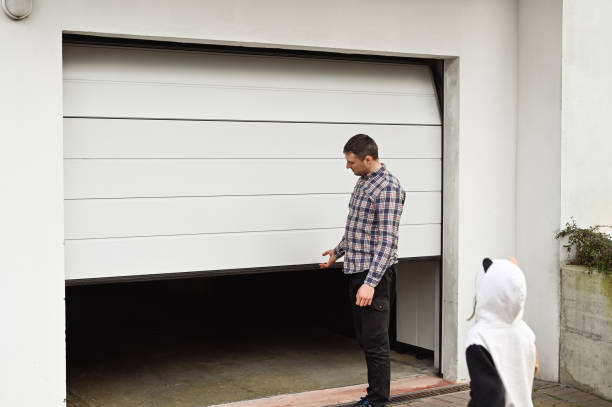
Roller garage doors offer superior security compared to conventional garage doors. They are made from durable aluminum or steel, making them resistant to forced entry. Many models also come with additional security features, such as automatic locking systems and reinforced slats.
3. Weather Resistance
High-quality roller garage doors are designed to withstand harsh weather conditions. They come with weather seals to prevent rain, dust, and wind from entering the garage. This is particularly beneficial for areas with extreme weather changes.
4. Insulation and Energy Efficiency
Many roller garage doors are insulated, helping to maintain a stable temperature inside your garage. This can be particularly useful if your garage is attached to your home, as it prevents heat loss in winter and keeps your space cooler in summer.
5. Ease of Operation
Modern roller garage doors come with automated systems that allow for smooth and effortless operation. Remote-controlled models let you open and close the garage door with the press of a button, adding convenience and security.
Choosing the Right Roller Garage Door
When selecting a roller garage door, consider the following factors:
1. Material
Aluminum: Lightweight, rust-resistant, and durable.
Steel: Stronger than aluminum but prone to rust if not properly maintained.
PVC or Composite: Low maintenance and weather-resistant.
2. Insulation
If you use your garage for storage or as a workspace, an insulated door can provide better temperature control and noise reduction.
3. Manual vs. Automatic Operation
Automated doors offer convenience, but manual options are often more affordable and require less maintenance.
4. Aesthetics and Customization
Roller garage doors come in a variety of colors and finishes to match your home's exterior. Some suppliers also offer custom designs to suit your style preferences.
Installation Process
Installing a new garage door requires precision and expertise.
Here’s an overview of the process:
1. Measuring the Garage Opening
Accurate measurements ensure a perfect fit. Measure the width, height, and headroom space for the roller mechanism.
2. Selecting the Right Model
Choose a door that meets your security, insulation, and aesthetic requirements.
3. Preparing the Installation Area
Ensure the garage opening is clean and free from obstructions. Remove any old garage door components if necessary.
4. Installing the Guide Rails
The guide rails are mounted on either side of the garage opening. These rails help the door roll up and down smoothly.
5. Mounting the Roller Door Curtain
The curtain, which consists of interlocking slats, is attached to the roller drum. This drum is installed at the top of the garage opening.
6. Testing and Adjustments
Once installed, the door is tested for smooth operation. If it's an automatic door, the motor and remote system are programmed accordingly.
Garage Door Repair and Maintenance
Regular maintenance ensures your roller garage door functions optimally for years. Here are some essential maintenance tips:
1. Regular Cleaning
Clean the door surface with mild detergent and water.
Remove dirt and debris from the guide rails.
2. Lubrication
Apply lubricant to the moving parts, including hinges and rollers.
Avoid using grease as it can attract dust and dirt.
3. Checking for Wear and Tear
Inspect the door for dents, cracks, or worn-out components.
Replace damaged slats or panels promptly.
4. Testing the Auto-Reverse Mechanism
If you have an automatic roller garage door, test the auto-reverse function regularly to ensure safety.
5. Seeking Professional Repairs
If your door is malfunctioning, contact a professional garage door repair service. Attempting DIY repairs on complex mechanisms can be risky.
Garage Door Supply and Replacement
If you’re looking to replace an old garage door, finding a reliable garage door supply company is crucial. Consider these factors when choosing a supplier:
Reputation and Reviews: Look for suppliers with positive customer feedback.
Variety of Options: A good supplier should offer multiple styles and materials.
Warranty and After-Sales Service: Ensure the supplier provides warranties and maintenance services.
Conclusion
A roller garage door is a smart investment for homeowners seeking security, convenience, and durability. Whether you need a new garage door or garage door repair, understanding the options available will help you make an informed decision. Regular maintenance can extend the lifespan of your door and keep it functioning smoothly for years to come. If you’re considering upgrading your garage, consult a reputable garage door supply company to explore the best options for your home.
About the Creator
Enjoyed the story? Support the Creator.
Subscribe for free to receive all their stories in your feed.
Comments
There are no comments for this story
Be the first to respond and start the conversation.