
Rice Beer Manufacturing Business Cost: A Friendly Guide for New Brewers
Driven by its refreshing, crisp taste and deep-rooted cultural significance across numerous Asian regions, rice beer is experiencing a notable surge in global popularity.

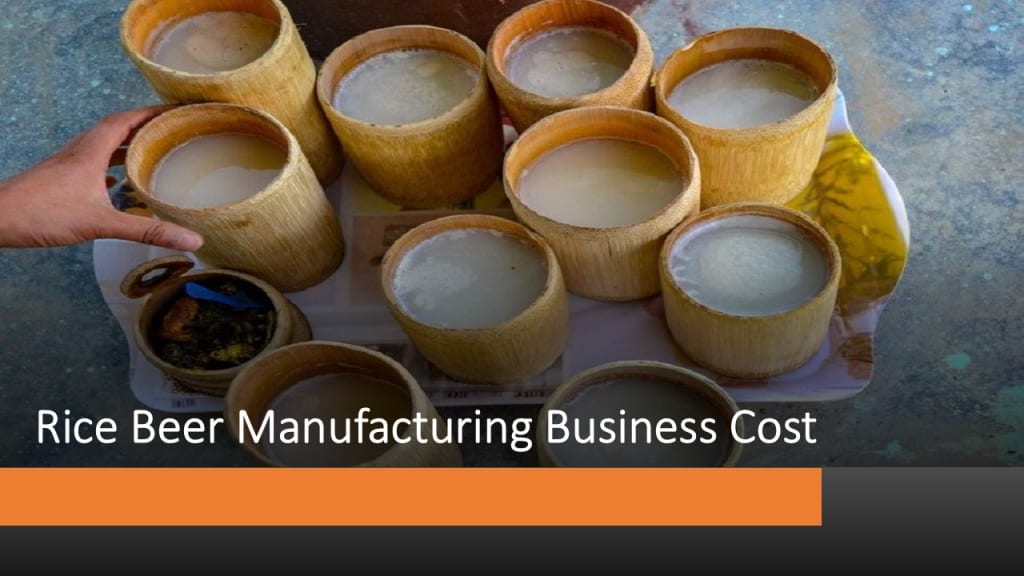
Rice beer is gaining popularity worldwide for its light, crisp taste and cultural significance in many Asian regions. Craft brewers, entrepreneurs, and even traditional brewers are showing interest in setting up rice beer plants to meet growing demand for authentic, locally inspired beverages.
Understanding the rice beer manufacturing business cost is essential for planning, budgeting, and running a profitable operation. This guide breaks down the key expenses, explains where the money goes, and highlights what to consider before starting a rice beer venture.
Rice Beer Manufacturing Plant Machinery Cost: A significant portion of the total setup budget is dedicated to machinery and equipment, which are necessary to ensure safe, consistent, and scalable production.
1. Raw Material Costs: The Heart of Rice Beer
Central to rice beer production is the rice, which has a direct impact on both the taste and quality of the brew. Additional ingredients contribute to the beverage’s unique character and ensure consistency in the final product.
Key raw materials include:
• Rice: Short-grain or sticky rice varieties are commonly used. Quality and local availability affect cost.
• Water: Must meet purity standards, as water quality impacts taste.
• Yeast and Fermentation Starters: These convert rice sugars into alcohol.
• Flavoring Ingredients: Some recipes include herbs or traditional starters for unique regional flavors.
• Packaging Supplies: Bottles, cans, labels, caps, and cartons ready for retail shelves.
Bulk purchasing from reliable suppliers helps manage costs and maintain consistent brew quality.
Request for a Sample Report: https://www.imarcgroup.com/rice-beer-manufacturing-plant-project-report/requestsample
2. Rice Beer Manufacturing Plant Machinery Cost: Setting Up the Brewhouse
A modern rice beer brewery requires specialized equipment for washing, steaming, fermenting, and bottling. Investing in the right machinery ensures product safety, efficiency, and consistency.
Common plant machinery includes:
• Rice Washer and Steamer: Cleans and cooks rice to prepare it for fermentation.
• Mash Tun or Fermentation Tanks: Where the cooked rice ferments under controlled conditions.
• Filtration Unit: Removes unwanted particles for a clearer brew.
• Bottling or Canning Line: Automates filling, sealing, and labeling.
• Pasteurizer: Extends shelf life and maintains safety standards.
• Storage Tanks: For aging or storing before packaging.
• Quality Control Lab Equipment: Basic instruments to monitor fermentation, alcohol content, and microbiological safety.
Machinery costs depend on production capacity, automation level, and whether new or refurbished equipment is purchased. Regular maintenance should be budgeted for to keep operations smooth and safe.
3. Utilities and Operating Expenses: Powering the Process
Producing rice beer requires a steady supply of utilities and basic operating services. These day-to-day expenses add up and must be carefully planned.
Typical operating expenses include:
• Electricity: Runs washers, fermenters, bottling machines, and chillers.
• Water Supply: Used throughout brewing, cleaning, and sterilization processes.
• Compressed Air: Powers certain machines and aids in cleaning.
• Cleaning Agents: Food-grade sanitizers keep equipment and bottles sterile.
• Wastewater Treatment: Many local regulations require treating brewery waste before disposal.
Energy-efficient machinery and water recycling systems can help reduce utility bills and support sustainability goals.
4. Labor and Workforce Costs: Skilled Hands Behind the Brew
Brewing rice beer involves a mix of traditional techniques and modern controls. Skilled staff ensure that the recipe, fermentation, and bottling meet quality standards every batch.
Workforce expenses include:
• Brewmasters and Brewing Assistants: Monitor recipes and fermentation conditions.
• Quality Control Technicians: Test samples to ensure consistency and safety.
• Machine Operators: Run and maintain equipment daily.
• Cleaning Crew: Keep the plant hygienic to prevent contamination.
• Administrative and Sales Staff: Handle orders, logistics, and customer support.
Providing ongoing training helps maintain high standards and reduce costly production errors.
5. Licenses, Certifications, and Compliance: Legal Essentials
Brewing alcoholic beverages requires compliance with local and national regulations. Failing to meet these standards can lead to fines or shutdowns.
Costs may include:
• Business Registration Fees: Local licensing and trade registrations.
• Brewery License: Permission to produce and sell alcoholic beverages.
• Quality Certifications: Food safety and hygiene certifications for both local sales and exports.
• Environmental Permits: For waste management and pollution control.
Consulting legal and regulatory experts can save time and prevent costly mistakes during setup.
6. Factory Overheads and Administrative Expenses: Keeping Things Running
Overheads are the costs that keep daily operations smooth and efficient, even though they don’t directly produce beer.
Common overhead expenses include:
• Building Lease or Loan Payments: Rent for brewery space or mortgage installments if owned.
• Office Utilities: Electricity, internet, phone, and office supplies.
• Insurance: Protects the building, equipment, and staff against accidents and natural disasters.
• Accounting and Legal Services: For financial management and regulatory compliance.
Good overhead management keeps production costs predictable and supports steady cash flow.
7. Packaging and Distribution: Taking Rice Beer to the Market
Once brewed and bottled, rice beer needs safe handling and an efficient delivery system to reach retailers, restaurants, or direct buyers.
Distribution-related costs include:
• Packaging Design and Printing: Attractive labels and branding boost shelf appeal.
• Secondary Packaging: Cartons and crates for bulk transport.
• Storage: Warehousing for finished stock before shipment.
• Transportation: Costs depend on delivery range and volume.
• Distributor Margins: Commission or discounts given to wholesalers and retailers.
Choosing reliable logistics partners helps prevent spoilage or breakage, preserving both profit and reputation.
8. Marketing and Promotion: Building a Loyal Fan Base
Marketing expenses help create awareness, generate interest, and drive sales in a competitive craft beer market.
Marketing and sales costs usually include:
• Branding: Logo, product story, and visual design.
• Online Marketing: Social media, local search ads, and a website for online orders or brewery tours.
• Tasting Events: Sampling booths at fairs, festivals, or local events.
• Point-of-Sale Promotions: Posters, coasters, and merchandise for bars or restaurants.
• Sales Team Salaries: Representatives who build relationships with retailers and distributors.
Smart, authentic marketing helps rice beer stand out and builds a base of repeat customers.
9. Maintenance and Depreciation: Sustaining Operations
Brewing equipment, no matter how robust, needs routine maintenance to avoid breakdowns and maintain product quality. Depreciation of plant assets should also be included in cost planning.
Consider:
• Regular Servicing: Scheduled checkups for boilers, fermenters, bottling lines, and lab equipment.
• Spare Parts Inventory: Keeps critical repairs quick and minimizes downtime.
• Depreciation Expense: Budgeted yearly to plan for future upgrades or replacements.
Proper upkeep ensures smooth operations and protects the business’s long-term investment.
Planning for a Thriving Rice Beer Business
A clear understanding of the rice beer manufacturing business cost, including the rice beer manufacturing plant machinery cost, helps entrepreneurs budget wisely and build a sustainable operation. From sourcing the right rice to crafting a memorable brand, each step adds value to the final product customers enjoy.
Proper planning, quality control, skilled staff, and strategic marketing turn a traditional drink into a modern success story. With careful cost management and a passion for brewing, a rice beer business can carve a unique space in the craft beverage market and delight customers with every bottle.
About the Creator
jamie cooke1296
IMARC Group is a global management consulting firm that helps the world’s most ambitious changemakers to create a lasting impact.
Enjoyed the story? Support the Creator.
Subscribe for free to receive all their stories in your feed.
Comments
There are no comments for this story
Be the first to respond and start the conversation.